Lalit Modi issues apology after ‘biggest fugitives of India’ remark in viral video with Vijay Mallya
Source Entity
India Latest News: Top National Headlines Today & Breaking News | The Hindu
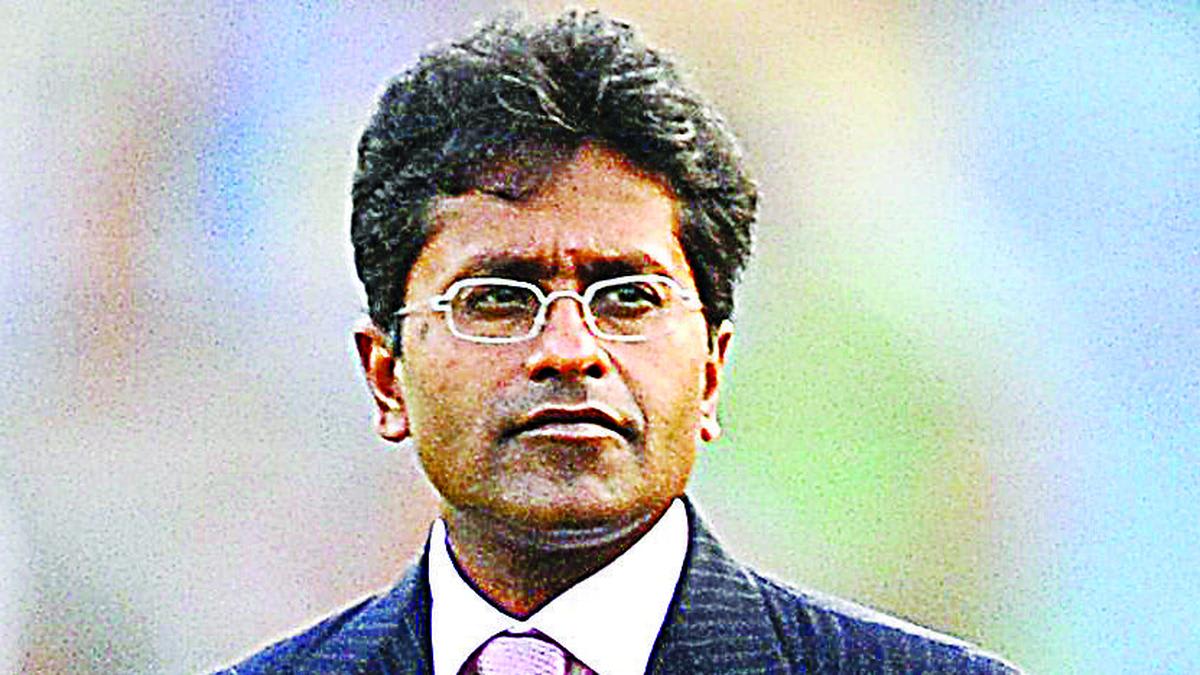
Former IPL chief Lalit Modi has announced he has acquired British citizenship after living in the UK since 2010. This development follows a recent controversy where he retracted comments referring to himself and Vijay Mallya as India's "biggest fugitives."
The Naturalization of Lalit Modi: A New Chapter in a Long-Standing Legal Saga
Former Indian Premier League (IPL) founder Lalit Modi has officially announced his acquisition of British citizenship, a development that marks a significant milestone in his life since fleeing India in 2010. Modi, who has resided in the United Kingdom for over 16 years, chose to share the news on social media, aligning his announcement with the birthday of King Charles III. By invoking the phrase "God Save The King," Modi emphasized his integration into the British state, describing the move as both a personal and special achievement.
Historical Context and Legal Status
Lalit Modi's transition to British citizenship occurs against the backdrop of long-standing legal challenges back in India. Since his departure in 2010, he has remained a subject of interest for Indian authorities, who have pursued him on various charges related to financial irregularities and money laundering. As the architect of the IPL, his rise to global prominence was followed by a contentious exit from the country, and he has since been categorized by the Indian government as an economic fugitive, a label he has spent years navigating while maintaining his residence in London.
The 'Fugitive' Controversy
The announcement of his citizenship follows closely on the heels of a public relations incident involving Vijay Mallya. In a video recorded during Mallya’s 70th birthday celebration in London, which later went viral, Modi was captured joking about the two being the "two biggest fugitives" of India. The remark drew immediate scrutiny, prompting a swift retraction. Modi subsequently issued a formal apology on social media, claiming his words were "misconstrued" and expressing "highest respect and regard" for the Indian government.
Implications for Extradition and Diplomacy
This development raises questions regarding the future of extradition efforts. The Indian government has maintained a consistent stance regarding its commitment to bringing back economic fugitives to face the judicial system at home. While Modi has now secured the protections associated with British citizenship, the legal pursuit by Indian authorities remains a persistent factor in his international standing. The tension between his new national status and the outstanding charges in India creates a complex legal landscape that will likely continue to evolve.
Cultural and Personal Reflection
In his public statements, Modi has framed his new citizenship as a natural evolution of his life in the UK. He cited his deep admiration for British institutions, traditions, and values, characterizing the country as his home for many years. This narrative serves to solidify his connection to the United Kingdom, potentially as a strategic defense against ongoing repatriation efforts. By publicly aligning himself with British identity, he is attempting to reshape the public perception of his exile from a flight from justice into a permanent relocation.
Conclusion
Lalit Modi’s acquisition of British citizenship is more than just a personal milestone; it is a strategic maneuver in his ongoing battle with the Indian legal system. While the move provides him with a new layer of sovereign protection, it does not erase the history of the accusations he faces. As both the Indian government and Modi continue to navigate these legal waters, the international community will be watching to see how his new status impacts the long-standing efforts to resolve these high-profile economic cases.
Multiple Citing Sources
Verification Required?