Lam Research conducts finale of nationwide semiconductor challenge at PES college
Source Entity
India Latest News: Top National Headlines Today & Breaking News | The Hindu
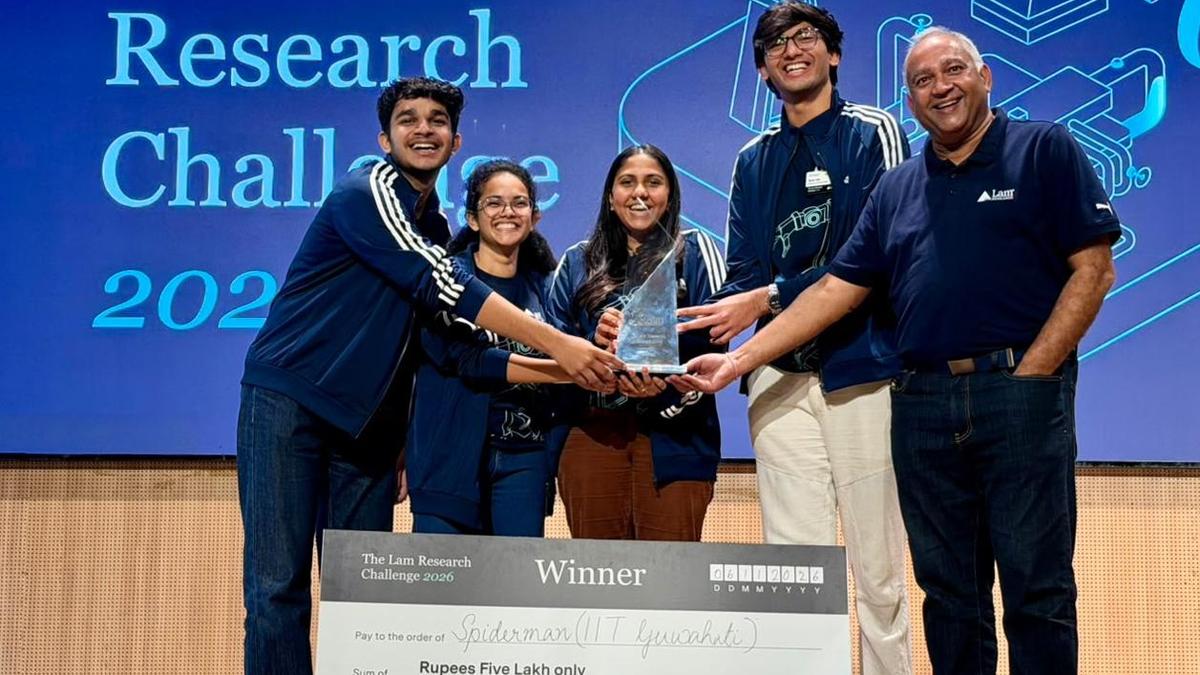
Lam Research concluded its nationwide semiconductor systems engineering challenge at PES University, drawing over 800 teams from top Indian engineering colleges. The competition highlights the industry's push to cultivate specialized talent for the increasingly complex semiconductor manufacturing landscape.
Bridging the Gap: Lam Research’s Semiconductor Challenge
In a significant move to foster technical innovation, Lam Research recently hosted the finale of its nationwide semiconductor systems engineering challenge at PES University. This annual competition, which drew participation from over 800 teams, represents a strategic effort to bridge the gap between academic curriculum and the highly specialized demands of the semiconductor manufacturing industry.
Scaling Technical Talent in India
The scale of the competition—involving 190 colleges, including premier institutions like the IITs and top-ranked NIRF engineering schools—underscores a massive mobilization of academic talent. By requiring teams of four students from multidisciplinary backgrounds, Lam Research is mirroring the collaborative nature of modern engineering, where electrical, mechanical, and software disciplines must converge to solve complex fabrication problems.
The Complexity of Wafer Fabrication
As a global leader in wafer fabrication equipment, Lam Research operates at the cutting edge of chip production. The competition serves as a critical pipeline for identifying students capable of navigating the intricacies of semiconductor manufacturing technologies. These technologies are becoming exponentially more complex, requiring professionals who can not only design but also build and optimize systems at the atomic scale.
The Evolution of Systems Engineering
The focus on 'systems engineering' is particularly relevant in the current global climate. As companies move toward smaller node architectures and 3D chip stacking, the ability to manage system-wide performance, thermal constraints, and material efficiency is paramount. The three-month duration of the challenge, which included rigorous qualification and hardware-build rounds, was designed to simulate the real-world pressure of R&D environments.
Future Implications for the Semiconductor Sector
By engaging with India’s top-tier engineering talent, Lam Research is effectively building a specialized workforce capable of supporting the global semiconductor supply chain. Initiatives like this are essential for sustaining the momentum of the domestic electronics manufacturing ecosystem, ensuring that the next generation of engineers is well-versed in the specific operational challenges of high-end fabrication equipment.
Conclusion: A Strategic Investment
The successful conclusion of the Lam Research Challenge 2026 at PES University highlights a commitment to long-term industry growth through education. By providing a platform for students to apply theoretical knowledge to hardware-centric challenges, Lam Research is not only identifying top-tier talent but also ensuring that the future of semiconductor technology is supported by a robust and capable engineering foundation.
Verification Required?