Hours each day in an iron lung kept her breathing, her will to live kept her alive
Source Entity
BBC News
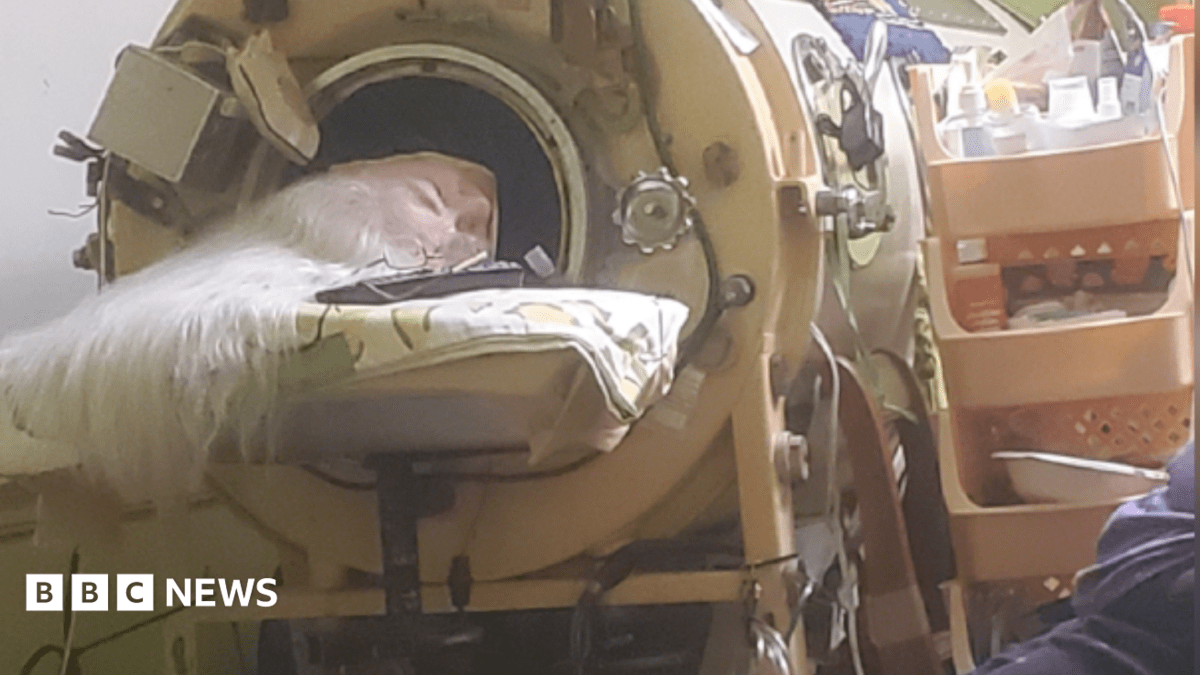
The sister of the last known polio patient in the US to use the life-saving machine spoke to the BBC about her sister's life.
The Echoes of an Epidemic: Resilience and the Legacy of the Iron Lung
The story of the last known polio patient in the United States to utilize an iron lung serves as a profound testament to human endurance and the rapid evolution of medical science. By recounting the life of this individual through the eyes of her sister, the BBC highlights a bygone era of healthcare where technology was bulky, invasive, and yet the only thin line between life and death. This narrative is not merely a biographical sketch but a window into the collective trauma and eventual triumph of a generation that faced one of the most feared pathogens of the 20th century.
The Shadow of Polio and the Mid-Century Crisis
To understand the significance of the iron lung, one must revisit the historical context of the poliomyelitis epidemics that gripped the US in the first half of the 1900s. Polio, a highly infectious viral disease, primarily attacked the nervous system, often leading to irreversible paralysis. The fear it instilled in parents and children was systemic, leading to the closure of swimming pools and theaters during peak summer months. The emergence of the iron lung in the late 1920s provided a desperate but effective solution for those whose diaphragms were paralyzed, preventing immediate respiratory failure and allowing patients to survive conditions that were previously a death sentence.
Engineering Survival: The Mechanics of the Iron Lung
The iron lung, or negative pressure ventilator, operated on a principle vastly different from today's positive pressure ventilators. By creating a vacuum inside a sealed metal cylinder, the machine forced the patient's chest to expand, drawing air into the lungs. While life-saving, the experience was claustrophobic and isolating, as patients were often confined to the machine for hours or even their entire lives. The detail that the patient spent "hours each day" in the machine suggests a partial dependence, highlighting a grueling routine of mechanical reliance that required immense psychological fortitude and the unwavering support of family members.
The Psychology of Resilience: The "Will to Live"
Central to this report is the concept of the "will to live." For a patient trapped in a metal cylinder, survival was not just a matter of mechanical ventilation but of mental defiance. The psychological toll of polio—the sudden loss of mobility and the dependency on a machine—could easily lead to despair. However, the sister's account emphasizes a spirit that refused to be broken. This resilience reflects a broader trend among polio survivors who, despite severe physical limitations, often became advocates for disability rights and pioneers in adapting to a world not built for their needs.
From Metal Cylinders to Modern Ventilation
The transition from the iron lung to modern respiratory therapy marks one of the greatest leaps in medical technology. The development of the Salk vaccine in 1955 and the subsequent Sabin oral vaccine effectively eradicated the threat of polio in the US, ensuring that new generations would never know the terror of the iron lung. Furthermore, the shift toward positive pressure ventilation—where air is pushed into the lungs via a tube—allowed for portability and greater patient autonomy. The existence of a "last known patient" using the iron lung represents the closing of a medical chapter, bridging the gap between the primitive interventions of the 1930s and the precision medicine of the 21st century.
Global Implications and Future Vigilance
While the US has long since moved past the era of iron lungs, this story serves as a critical reminder that polio is not yet eradicated globally. In certain regions, the disease persists, and the threat of resurgence remains if vaccination rates drop. The legacy of those who survived in iron lungs underscores the absolute necessity of public health infrastructure and vaccine equity. As we face new respiratory challenges and pandemics, the lessons of the polio era—specifically the importance of rapid technological innovation and community resilience—remain highly relevant.
Summary
This account of the last US iron lung patient is more than a nostalgic look back; it is a clinical and emotional analysis of survival. It underscores the transition from a period of desperate mechanical intervention to an era of preventative immunology. The patient's life stands as a symbol of the intersection between medical necessity and the indomitable human spirit, reminding us that while machines may keep the body breathing, it is the will to live that sustains the soul.