Who Is Planting Backdoors in Ledger Crypto Wallets?
Source Entity
Hacker News
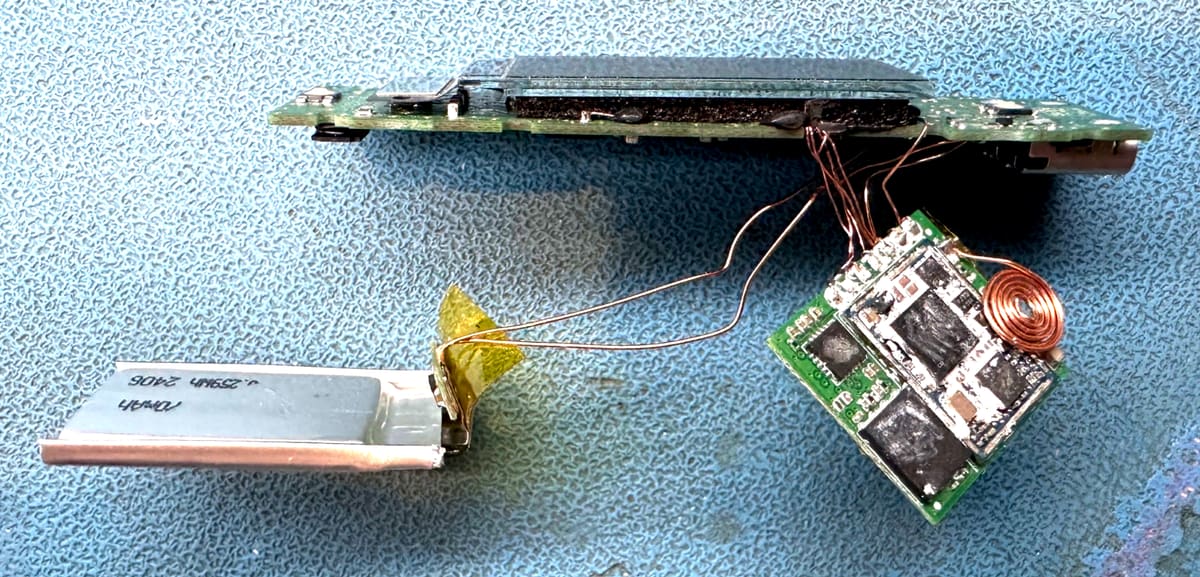
A sophisticated supply-chain attack has compromised Ledger hardware wallets in Southeast Asia and Germany, leading to an estimated $100 million in cryptocurrency theft. These hardware backdoors, found in devices sold by authorized resellers, highlight critical vulnerabilities in the crypto hardware supply chain.
The Silent Breach: Unpacking the Ledger Hardware Supply-Chain Attack
A Sophisticated Threat to Hardware Security
The recent disclosure that hardware backdoors have been discovered in Ledger Nano X wallets marks a significant escalation in the tactics used by sophisticated cybercriminals. With estimated losses reaching $100 million, this incident represents a classic, yet devastating, supply-chain attack. By infiltrating the physical distribution network—specifically targeting authorized resellers in Malaysia and Germany—attackers have managed to bypass the digital-first security protocols that users typically associate with hardware wallets.
The Mechanics of the Compromise
The core of this breach lies in the physical manipulation of the devices before they reach the end user. Unlike traditional software-based phishing or malware, these hardware implants represent a systematic effort to subvert the trust placed in "cold storage" devices. By embedding malicious components into the Ledger Nano X, the attackers successfully created a pathway to hijack private keys, effectively negating the core security value proposition of the hardware wallet: keeping assets offline and inaccessible to remote actors.
The Role of Authorized Resellers
The involvement of an authorized reseller like CryptoBilis in Malaysia underscores a profound vulnerability in the current retail model for crypto hardware. When users purchase a device from an authorized source, they operate under the assumption of chain-of-custody integrity. This incident suggests that even established distribution channels can be compromised, whether through insider threats, physical intercept during transit, or sophisticated tampering at the warehouse level. The expansion of these implants into German markets further suggests a coordinated, international operation that is not limited to a single geography.
Implications for the Crypto Ecosystem
This event has sent shockwaves through the cryptocurrency community, forcing a re-evaluation of how hardware security is verified. For years, the industry has pushed hardware wallets as the gold standard for asset protection. If the hardware itself can be compromised at the point of sale, the entire security model for retail investors is threatened. This necessitates a move toward more rigorous physical verification protocols and potentially a restructuring of how companies like Ledger manage their global reseller networks.
Addressing Future Security Trends
Moving forward, manufacturers must adopt more transparent supply-chain auditing and perhaps implement "tamper-evident" packaging that is significantly more difficult to replicate than current standards. Investors, meanwhile, must become more vigilant, potentially moving toward purchasing devices exclusively from official manufacturer websites rather than third-party resellers. As attackers grow more sophisticated, the line between digital security and physical logistics continues to blur, making the supply chain the new primary battlefield for crypto asset protection.
Conclusion: A Wake-Up Call for Hardware Wallets
The $100 million theft serves as a stark reminder that the security of one's digital assets is only as strong as the physical device holding the keys. As the investigation continues, the industry must prioritize accountability and technological resilience to prevent further breaches. For now, this incident stands as a critical lesson in the importance of hardware integrity and the inherent risks of global distribution networks in the digital age.