Leopard Drags Man Sleeping Outside Home In UP, Body Found 200 Meters Away
Source Entity
NDTV News Search Records Found 1000
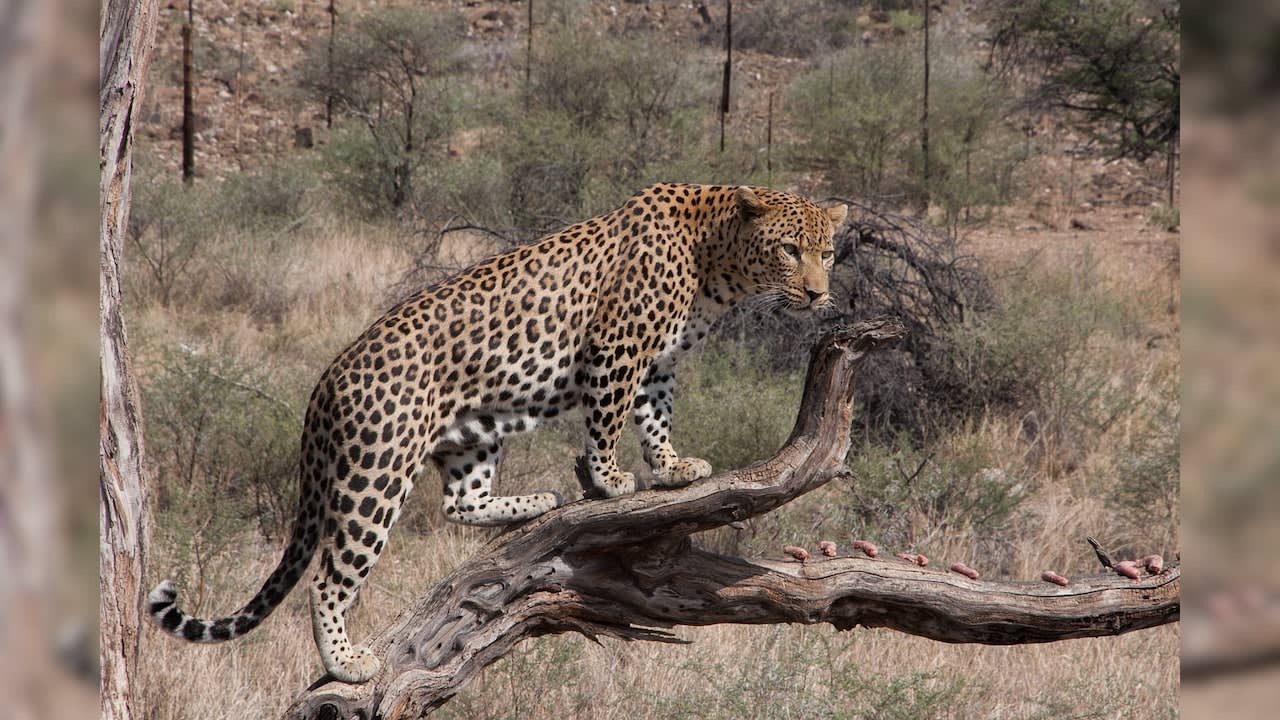
A man named Ram Singh was fatally attacked and dragged away by a leopard while sleeping outside his home in Uttar Pradesh. His body was discovered approximately 200 meters from the site of the incident.
Tragic Leopard Attack in Uttar Pradesh
The Incident
A harrowing incident has emerged from Uttar Pradesh, where a man identified as Ram Singh was fatally attacked by a leopard while sleeping outside his residence. The predator, exhibiting classic ambush behavior, seized the individual and dragged him toward the dense bushes situated behind the property. The victim's body was later recovered approximately 200 meters from the location where he was originally sleeping, highlighting the swift and lethal nature of such wildlife encounters.
Human-Wildlife Conflict in the Region
This incident serves as a stark reminder of the escalating human-wildlife conflict prevalent in regions where human settlements border forest fringes. As urban expansion pushes deeper into traditional wildlife habitats, the frequency of such encounters has seen a concerning uptick. Leopards, being highly adaptable apex predators, often navigate these fragmented landscapes, leading to inevitable clashes when human activity intersects with their nocturnal hunting routes.
Behavioral Patterns of Predators
Leopards are known for their stealth and opportunistic hunting strategies. By targeting a person resting outside, the predator exploited a moment of vulnerability. The act of dragging the victim 200 meters into nearby vegetation is consistent with the feline instinct to secure prey in a secluded area away from potential threats, ensuring they can consume their catch without interference. This behavior underscores the necessity for heightened vigilance in rural areas prone to leopard activity.
Safety and Mitigation Strategies
For residents living in proximity to wildlife corridors, this tragedy underscores the urgent need for structural safety measures. Sleeping in open, unprotected areas remains a significant risk factor in regions where large carnivores are known to roam. Local authorities and wildlife departments are often tasked with creating buffer zones and raising awareness about nocturnal safety; however, the persistent nature of these predators requires consistent adherence to safety protocols by the community.
Broader Implications and Future Outlook
The incident necessitates a deeper look at regional wildlife management policies. As forest cover changes and prey density fluctuates, the pressure on leopards to forage near human habitats may continue to rise. Future trends suggest that unless comprehensive management strategies—including better illumination of residential perimeters, public awareness campaigns, and potential relocation efforts for habitual man-eaters—are prioritized, the risk of such fatal encounters remains a constant threat to rural life in Uttar Pradesh.
Verification Required?