Track defect found on approach to site of Lewes derailment, initial report says
Source Entity
BBC News
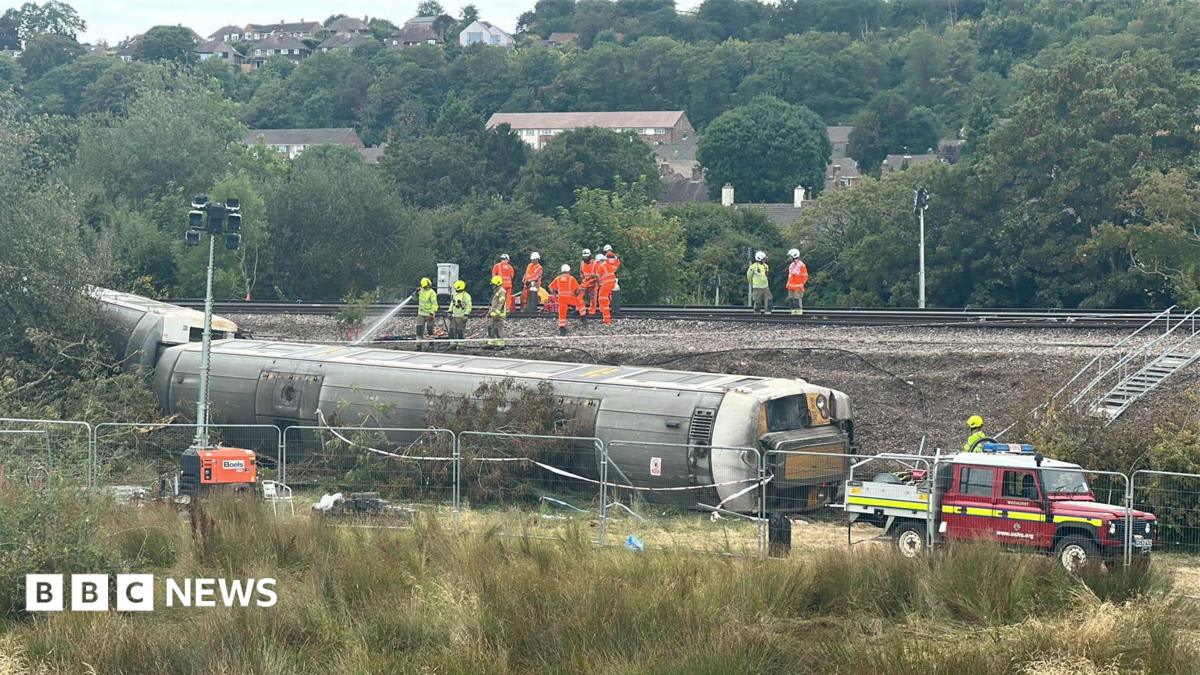
The RAIB has identified a track irregularity near Lewes following a train derailment that injured 30 people. Investigations are ongoing as authorities examine reports of rough riding prior to the incident.
Investigation into the Lewes Rail Derailment
The recent train derailment near Lewes, which resulted in 30 injuries and the tragic tumbling of three carriages down an embankment, has moved into a critical investigative phase. The Rail Accident Investigation Branch (RAIB) has officially identified an "irregularity" in the tracks at the incident site. This finding is central to understanding how a routine transit service devolved into a major accident, prompting a comprehensive review of track maintenance and safety protocols in the region.
Evidence of Infrastructure Failure
The identification of this track defect is not an isolated discovery but follows a series of warning signs. The RAIB has confirmed that it received multiple reports from passengers regarding "rough riding" at this specific location prior to the derailment. This suggests that the track irregularity may have been developing over a period of time, potentially manifesting as vibrations or jarring movements that commuters felt long before the catastrophic failure occurred. The use of onboard CCTV from a train that passed the site at 14:04 BST has provided investigators with visual confirmation of these track conditions, serving as a vital piece of forensic evidence.
Institutional Accountability
In the wake of these findings, both Network Rail and Greater Thameslink Railway—the operator of the Southern Rail service involved—have issued a joint statement expressing their formal apologies. While the investigation remains ongoing, the admission of responsibility highlights the systemic nature of railway safety. The cooperation between these entities and the RAIB is essential to determining whether the "irregularity" was a result of routine wear and tear, environmental factors, or a failure in the inspection schedule that should have caught the defect before it endangered passengers.
Broader Implications for Rail Safety
The Lewes derailment raises urgent questions regarding the efficacy of track monitoring technologies and the frequency of physical inspections on British rail lines. When infrastructure "irregularities" cause passenger-carrying carriages to leave the tracks, it underscores the fragility of the rail network. This incident serves as a grim reminder that even minor defects, if left unaddressed, can lead to significant loss of life or severe injury. Future safety trends will likely involve increased reliance on automated track-sensing technology to detect such irregularities before they reach a critical threshold.
Conclusion and Future Outlook
As the RAIB continues its detailed inquiry, the focus will remain on the timeline of maintenance at the Lewes site and why prior reports of rough riding did not lead to a proactive closure or repair. The outcome of this investigation will likely influence future safety regulations and potentially mandate stricter oversight for track integrity in East Sussex and beyond. For now, the primary goal remains ensuring that the lessons learned from this disaster are translated into concrete, long-term safety improvements for the traveling public.