Lindsay Clancy's attorney challenges major digital evidence; What is ‘suicide methods’ website?
Source Entity
Latest News: Todays Latest News Headlines from India & World | Hindustan Times | Hindustan Times
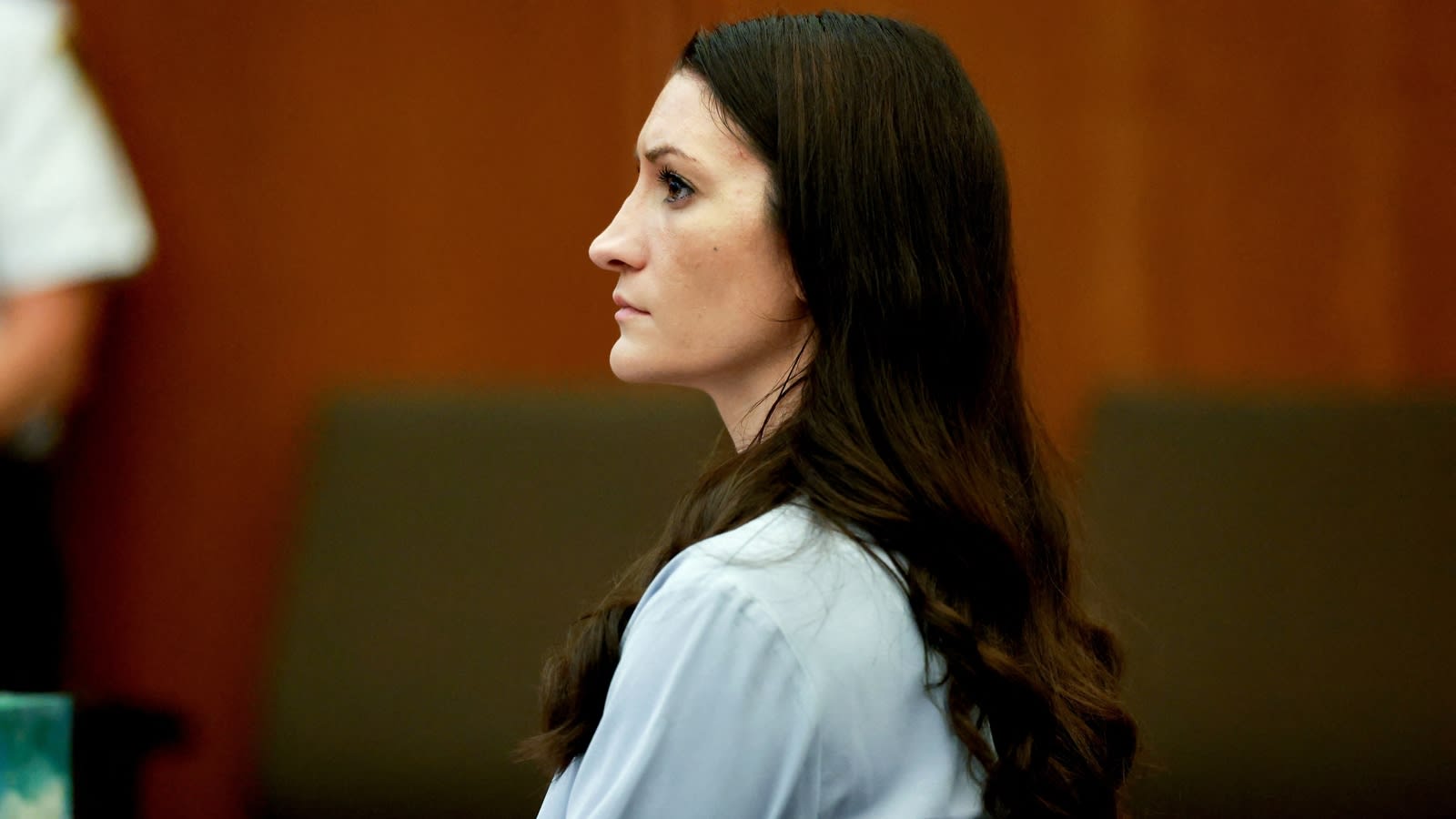
The murder trial of Lindsay Clancy has brought postpartum psychosis into the public eye, as her defense argues she was not criminally responsible for the deaths of her three children. The case has sparked significant debate, contrasting the prosecution's claims of premeditation with public empathy for her mental health struggles.
The Trial of Lindsay Clancy: Navigating Postpartum Psychosis and Criminal Responsibility
The ongoing murder trial of Lindsay Clancy, a Massachusetts labor and delivery nurse, has become a focal point for the complex intersection of mental health, motherhood, and the legal system. Clancy stands accused of strangling her three children—Cora, 5; Dawson, 3; and Callan, 8 months—in 2023 before attempting to take her own life by jumping from a second-story window. While the defense does not dispute the physical act, they maintain she was suffering from postpartum psychosis, a rare but severe psychiatric condition, rendering her not criminally responsible for her actions.
The Clinical Reality of Postpartum Psychosis
Postpartum psychosis represents an extreme deviation from the common 'baby blues' or postpartum depression. It is a medical emergency characterized by delusions, hallucinations, and a profound detachment from reality. The defense’s reliance on this diagnosis highlights the critical need for deeper public understanding of maternal mental health. Testimony revealed that Clancy had been actively seeking professional help and managing medication in the months following her youngest child's birth, underscoring the unpredictable and volatile nature of the condition even when a patient is engaged with healthcare services.
Contradictory Evidence and Internal Conflict
Evidence presented in court, including entries from Clancy’s personal phone notes, paints a complex picture of her mental state leading up to the tragedy. In notes written in November 2022, Clancy expressed a desire for a fourth child, while simultaneously acknowledging a need for better therapeutic support. These writings illustrate a mother struggling with internal conflict, raising significant questions about the progression of her illness. The prosecution argues that these details point toward premeditation, framing her actions as deliberate rather than the result of a psychotic break.
The Court of Public Opinion
Unlike historical cases involving maternal filicide, such as those of Susan Smith or Casey Anthony, the public reaction to the Clancy trial has been notably polarized. Social media has seen a surge of support for the defendant, with many observers criticizing the prosecution’s strategy as an insensitive or "cheap" approach to a clear mental health crisis. This public discourse reflects a shifting societal view that is increasingly willing to consider the impact of severe psychiatric illness on culpability, even in cases involving the most tragic of outcomes.
Broader Implications for Legal and Medical Systems
This trial serves as a stark reminder of the limitations within both the medical and legal systems regarding postpartum mental health. The case forces a confrontation with how the law defines 'criminal responsibility' when the perpetrator is suffering from a condition that strips them of their agency. As the trial progresses, it will likely influence future discussions on how courts weigh medical testimony against allegations of premeditation in cases where psychiatric illness is the central defense.
Conclusion: A Path Toward Better Support
Ultimately, the Lindsay Clancy trial is more than a legal battle; it is a catalyst for a necessary national conversation about the support systems available to mothers. Regardless of the verdict, the case highlights the devastating potential consequences when postpartum mental health conditions go unaddressed or mismanaged. Moving forward, the focus must remain on early intervention and destigmatizing the reality of postpartum psychosis to prevent similar tragedies from unfolding in the future.
Multiple Citing Sources
Verification Required?