Abuse in media industry probably still happening, minister warns in wake of Brand case
Source Entity
BBC News
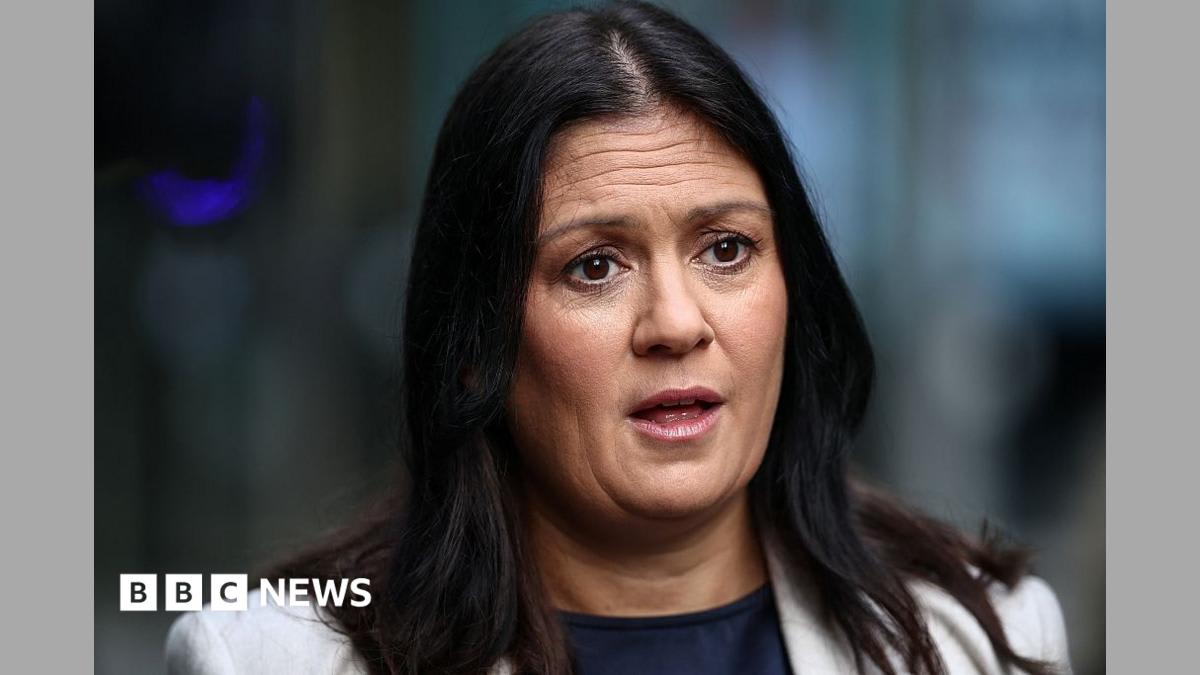
Culture Secretary Lisa Nandy has warned that abuse likely persists within the media industry following the conviction of Russell Brand. She reports that numerous industry insiders have come forward with allegations, signaling a deep-seated failure in institutional protections.
The Persistence of Systemic Abuse in Media
Culture Secretary Lisa Nandy has issued a stark warning regarding the state of the media industry, suggesting that sexual abuse and misconduct remain prevalent. Her comments, made during an interview with Laura Kuenssberg, follow the high-profile conviction of Russell Brand, who was found guilty of rape and sexual assault. These convictions, covering a decade of abuse between 1999 and 2009, have acted as a catalyst for a broader reckoning regarding how media institutions handle power dynamics and protect vulnerable individuals.
The Weight of Personal Testimonies
Nandy revealed that since assuming her role as culture secretary, she has been approached by "many people" from within the industry who have come forward to share their own experiences of abuse. This influx of personal accounts suggests that the problems faced by victims are not merely historical footnotes but ongoing realities. By acknowledging these private disclosures, Nandy has signaled a shift in government awareness, moving from passive observation to an active recognition of a pervasive cultural issue.
Institutional Failure and Accountability
Central to Nandy’s critique is the failure of media organizations to implement effective safeguards. Despite public outcry and various reform movements, the Culture Secretary expressed skepticism regarding whether meaningful institutional change has occurred. The inability of these organizations to protect women suggests that the structures facilitating abuse—such as non-disclosure agreements, power imbalances, and a culture of silence—remain firmly in place, shielding perpetrators while isolating victims.
Historical Context and Modern Implications
While the Russell Brand case focused on crimes committed between 1999 and 2009, Nandy’s assertion that such abuse is likely still happening today bridges the gap between historical patterns and present-day reality. The media landscape has evolved significantly since the early 2000s, yet the underlying mechanisms of exploitation appear to have proven resilient. This continuity highlights a systemic failure that transcends specific eras or individual offenders, pointing toward a need for structural reform rather than superficial policy adjustments.
Future Trends and Regulatory Challenges
Looking forward, the government faces the challenge of translating these warnings into tangible policy. Nandy’s rhetoric implies that the era of institutional immunity may be coming to an end, as the state begins to acknowledge the severity of the allegations brought to its attention. Future regulatory efforts will likely need to focus on mandatory reporting standards, transparency in workplace investigations, and the dismantling of legal barriers that prevent victims from seeking justice.
Conclusion
The warnings delivered by the Culture Secretary represent a significant moment of transparency for the UK media industry. By linking the findings of the Russell Brand trial to current, ongoing complaints, Nandy has underscored the urgency of addressing workplace culture. The path forward requires a shift away from institutional defensiveness toward a culture of radical accountability, ensuring that the media industry can no longer hide behind the silence that has historically protected abusers.