Pakistan-bound LNG tanker attacked near Strait of Hormuz despite Iranian nod; Qatar, Saudi condemn attack
Source Entity
Latest News: Todays Latest News Headlines from India & World | Hindustan Times
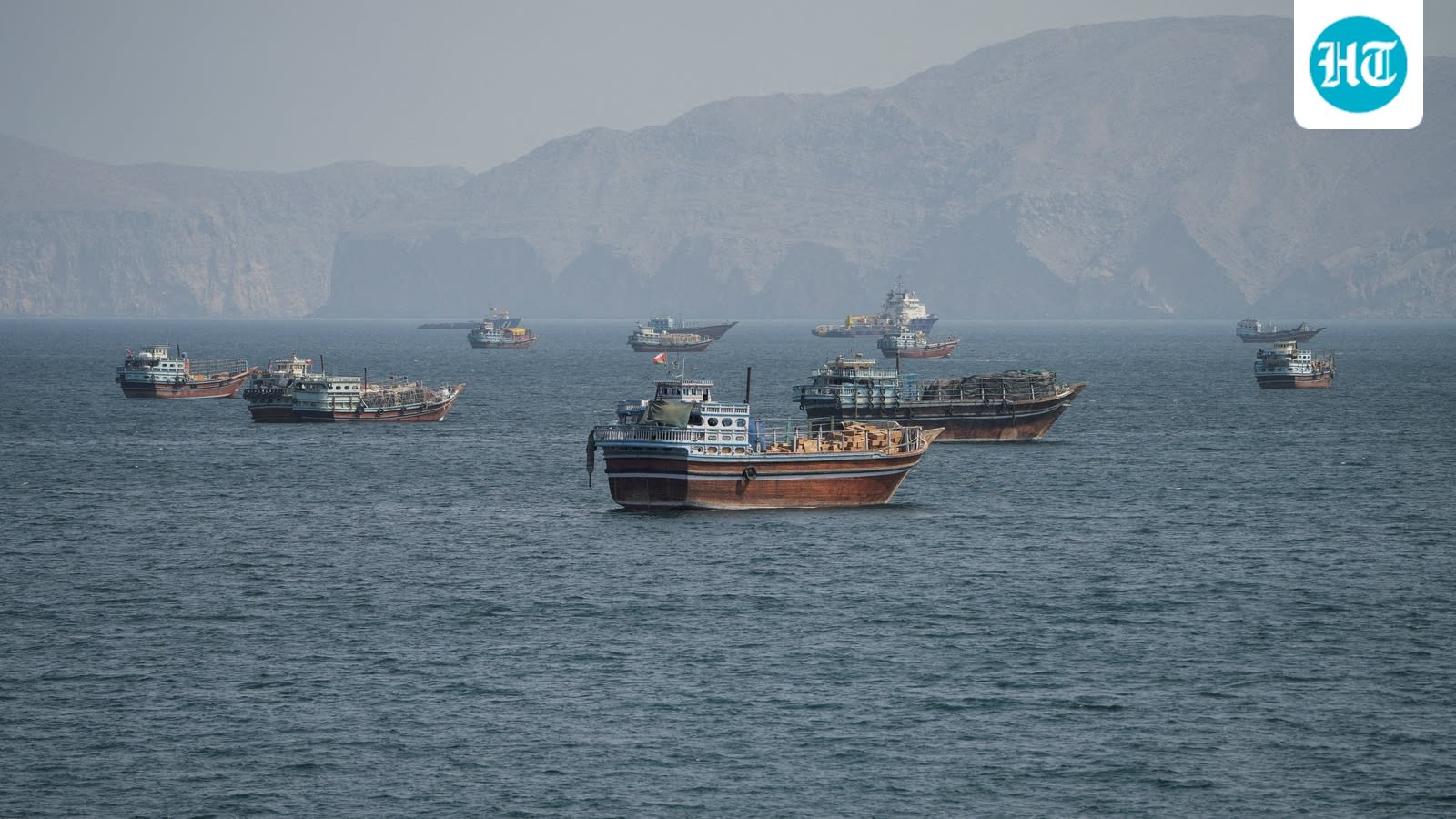
A Marshall Islands-flagged LNG tanker, Al Mayeda, was attacked near the Strait of Hormuz while en route from Qatar to Pakistan. The vessel, which had received prior clearance from Iranian authorities, was forced to divert back toward the Persian Gulf following the projectile strike.
Maritime Security Crisis: The Attack on the Al Mayeda
Recent reports confirm a significant maritime security incident involving the Marshall Islands-flagged LNG tanker, Al Mayeda. The vessel, operated by Qatar Gas Transport Company Limited (Nakilat), was navigating from Qatar toward Pakistan when it became the target of a projectile attack near the strategically vital Strait of Hormuz. Despite the crew securing explicit clearance and transit approval from Iranian authorities, the vessel was struck, forcing a sudden and unplanned diversion back toward the Persian Gulf.
The Strategic Significance of the Strait of Hormuz
The Strait of Hormuz remains one of the world's most critical maritime chokepoints, serving as the primary conduit for a substantial portion of the global liquefied natural gas (LNG) and crude oil supply. Any disruption in this narrow waterway carries immediate, systemic risks to global energy markets. The fact that the Al Mayeda was targeted despite receiving prior Iranian authorization highlights a dangerous volatility in regional waters, suggesting that local security guarantees are increasingly unreliable in the face of escalating regional tensions.
Operational and Economic Implications
For Pakistan, which relies heavily on LNG imports to fuel its power generation and industrial sectors, this attack represents a direct threat to energy security. The disruption of a single shipment—especially one carrying volatile cargo like LNG—imposes immediate logistical costs and heightens insurance premiums for all vessels traversing the region. As the ship was forced to turn back according to Marine Traffic data, the interruption underscores the vulnerability of maritime supply chains to localized projectile strikes.
Diplomatic Fallout and Regional Stability
In the aftermath of the attack, significant diplomatic repercussions have emerged, with regional powers including Qatar and Saudi Arabia issuing condemnations. The involvement of the Indian Ministry of Ports and Shipping in monitoring the incident reflects the broader international concern regarding the safety of the Arabian Sea and Persian Gulf shipping lanes. The attack serves as a stark reminder that even sanctioned and pre-cleared commercial vessels are not immune to the spillover effects of regional conflicts.
Assessing Future Maritime Trends
Moving forward, this incident will likely trigger a re-evaluation of maritime security protocols for energy tankers operating in the Middle East. Shipping companies may be forced to implement more robust defensive measures or demand increased naval escorts, which will inevitably drive up the cost of energy imports for nations like Pakistan. Furthermore, this event emphasizes the difficulty of managing maritime security when non-state or proxy actors possess the capability to launch projectile attacks against commercial infrastructure, potentially reshaping the security architecture of the Persian Gulf for the foreseeable future.
Verification Required?