Bill to make delayed registration of births and deaths more stringent introduced in Lok Sabha
Source Entity
India Latest News: Top National Headlines Today & Breaking News | The Hindu
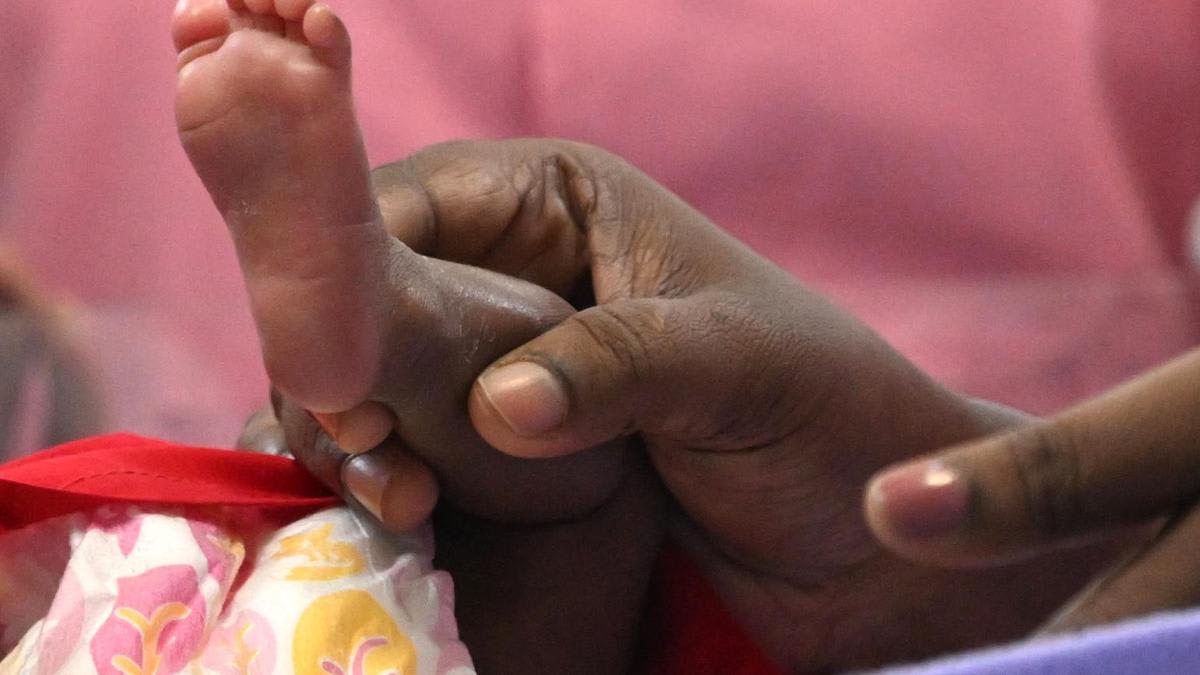
The Lok Sabha has introduced the Registration of Births and Deaths (Amendment) Bill, 2026, amid opposition protests. The legislation aims to tighten regulations regarding the delayed registration of vital statistics.
Legislative Overhaul of Vital Statistics
On July 29, 2026, the Indian government introduced the Registration of Births and Deaths (Amendment) Bill, 2026, in the Lok Sabha. This legislative move, which had previously secured Union Cabinet approval on July 20, is designed to amend Section 13(3) of the Registration of Births and Deaths Act, 1969. The core objective of this amendment is to implement more stringent protocols for the delayed registration of births and deaths across the nation.
Context of Parliamentary Turbulence
The introduction of the Bill occurred against a backdrop of significant parliamentary friction. Opposition members staged protests, specifically demanding the presence of the Prime Minister and the Home Minister to address concerns regarding a separate anti-paper leak Bill. Despite the unrest, Speaker Om Birla proceeded with the legislative agenda, eventually calling upon Minister of State for Home Nityanand Rai to formally introduce the amendment after no opposition members stepped forward to debate the introduction motion.
Analyzing the Proposed Regulatory Framework
While the full technical scope of the 2026 amendment is still being parsed, the existing framework suggests that the government intends to refine how administrative systems handle data gaps. According to the current details, the procedural requirements for births or deaths reported within the one-to-two-year window following the event will largely remain unchanged. This suggests a targeted approach by the government, focusing on the systemic integrity of long-term delayed reporting rather than overhauling the entire registration process.
Historical Significance of the 1969 Act
The Registration of Births and Deaths Act of 1969 has served as the backbone for India's vital statistics for decades. The 2023 amendment already set a precedent for digital modernization, and the 2026 iteration represents a continuous effort to tighten loopholes. By making delayed registration more stringent, the state aims to ensure the accuracy of demographic databases, which are critical for policy planning, resource allocation, and the maintenance of the National Population Register.
Broader Implications and Future Trends
Moving forward, the tightening of these regulations indicates a shift toward a more robust, centralized, and verifiable digital ecosystem for vital records. By increasing the scrutiny on delayed registrations, the government is likely attempting to curb fraudulent entries and ensure that the national database reflects precise demographic shifts. As this Bill moves through the legislative process, stakeholders will be watching to see how these stricter provisions impact citizens in remote regions who may face logistical hurdles in meeting registration timelines.
Conclusion
The introduction of the Registration of Births and Deaths (Amendment) Bill, 2026, marks another step in the ongoing modernization of India's administrative infrastructure. While the immediate legislative floor was defined by political protest, the substance of the Bill remains a crucial technical update to national record-keeping. Success will depend on balancing these more stringent procedural requirements with the need for accessible and inclusive governance.
Verification Required?