Tube drivers to stage strikes in Christmas run-up
Source Entity
BBC News
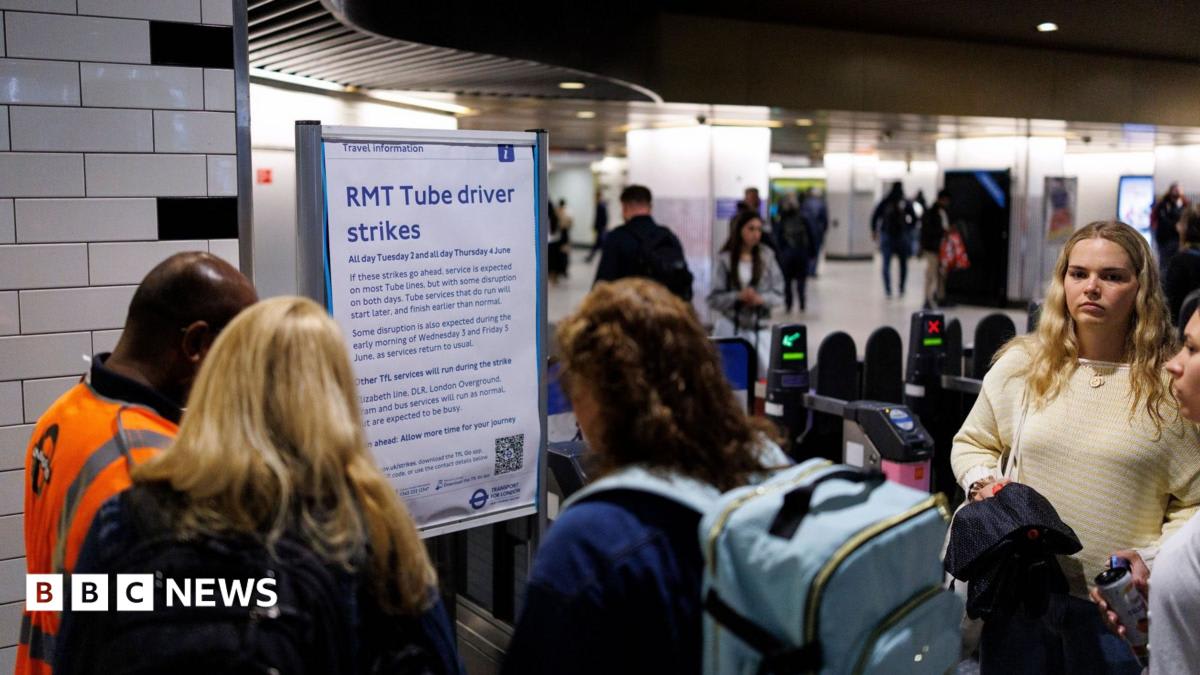
London Underground drivers face potential Christmas disruption due to a dispute over a proposed voluntary four-day work week. While Aslef supports the modernization of rostering, the RMT union is opposing the changes, leading to planned strike action.
The Impending London Underground Christmas Strike
The festive season in London is facing significant disruption as industrial action looms over the London Underground. The core of this conflict lies in a fundamental disagreement between major transport unions regarding the modernization of working conditions for Tube drivers. As the city prepares for the peak holiday traffic, the threat of strikes underscores the volatile nature of labor relations within the capital's essential transport infrastructure.
The Four-Day Work Week Proposal
At the heart of the dispute is a management proposal to introduce a voluntary four-day work week for Tube drivers. This shift is designed to modernize the workforce, offering drivers a reduction in total hours—moving to a 34-hour week—in exchange for updated operational conditions. These conditions include a transition from archaic paper-based systems to electronic booking processes, a move intended to increase administrative efficiency and operational agility across the network.
Union Division and Ideological Conflict
Interestingly, the labor movement itself is fractured over this proposal. Finn Brennan, representing Aslef, has publicly criticized the RMT union for attempting to block these changes. Aslef views the shift as a benefit to workers, citing that it provides an additional 35 days off per year. The RMT, however, remains skeptical, leading to a rare public clash between the two unions over what constitutes the best interests of the drivers they both represent.
The Question of Voluntary Participation
Management has emphasized that the four-day week is strictly voluntary. According to current agreements, any driver who prefers to maintain their existing five-day roster is entitled to do so without suffering any professional or financial detriment. This 'opt-in' model is designed to mitigate concerns regarding forced changes to long-standing work-life balances, yet the RMT’s opposition suggests a deeper concern regarding the precedent this shift might set for future labor negotiations.
Broader Implications for Transport Labor
The push toward a four-day week in the public transport sector is part of a wider global trend of experimenting with flexible working arrangements. By trading legacy practices—like paper-based sign-ins—for more flexible hours, London Underground is attempting to modernize its workforce management. However, the resistance encountered highlights the difficulty of implementing systemic change in heavily unionized sectors where any shift in working conditions is met with intense scrutiny and defensive industrial action.
Future Outlook and Conclusion
As the Christmas period approaches, the success or failure of these negotiations will serve as a bellwether for future labor relations in London. If the strike proceeds, it will not only disrupt holiday travel for thousands but will also deepen the divide between the participating unions. Ultimately, the resolution of this dispute will depend on whether the RMT can be satisfied that the voluntary nature of the four-day week is sufficiently protected, or if the modernization plans will be stalled by the persistent threat of industrial action.