19 years after Pardhi activist’s custodial death, SIT formed to re-investigate case
Source Entity
Chandan Haygunde
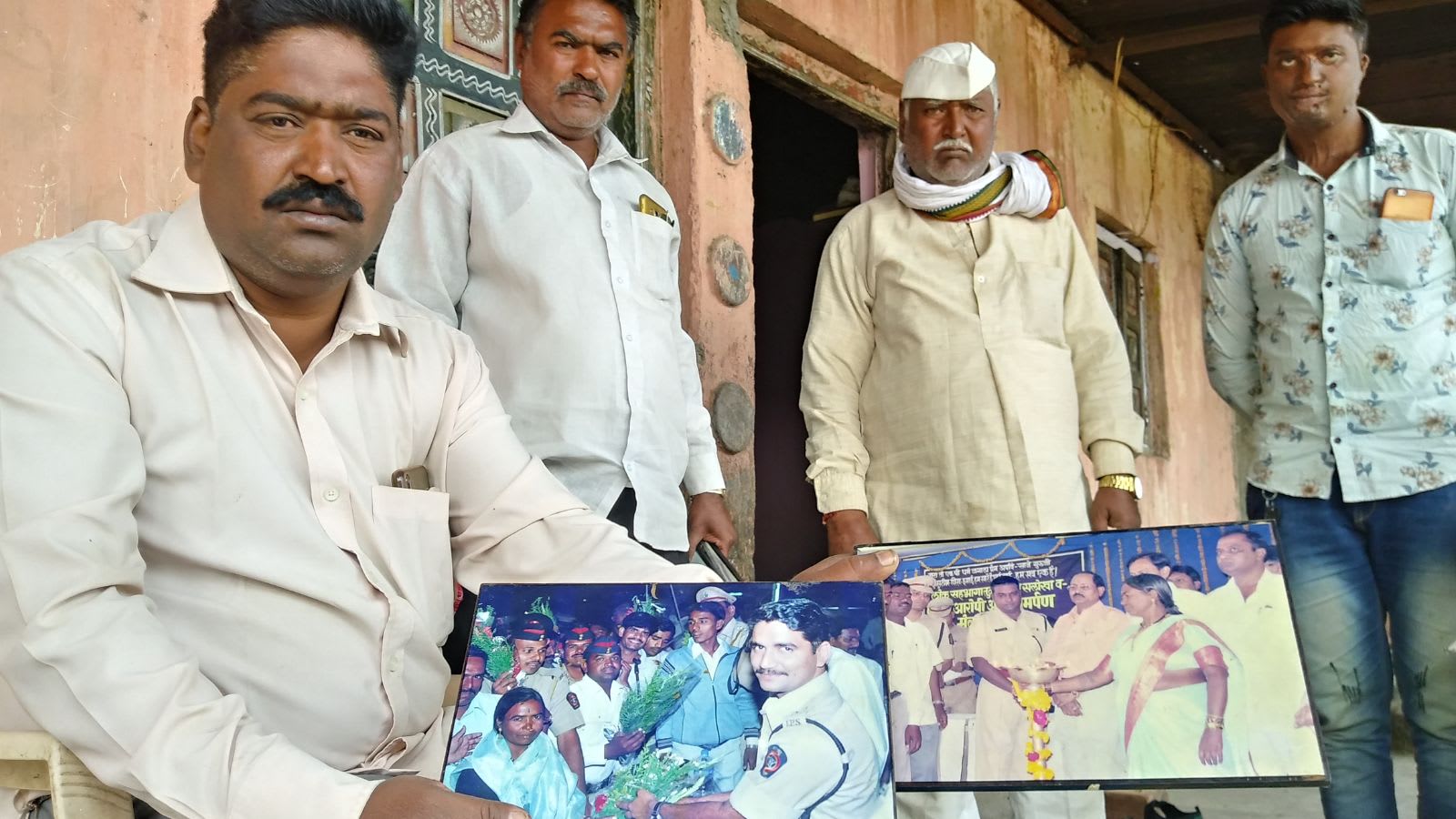
Two separate cases of custodial death in India, pending for nearly two decades, have seen significant legal developments. While a new SIT has been formed to investigate the 19-year-old death of activist Suman Kale, a UP court has sentenced two policemen to life for a 20-year-old custodial killing.
The Long Road to Justice: Analyzing Persistent Custodial Deaths in India
A Renewed Push for Accountability
Nineteen years after the tragic custodial death of Suman Kale, a 50-year-old social activist belonging to the Pardhi tribe, the Maharashtra government has finally constituted a Special Investigation Team (SIT) to re-examine the case. The order, issued by Special Inspector General of Police (Law and Order) Lakhmi Gautam, mandates that the SIT, led by IPS officer Sudhir Hiremath and monitored by ADG Praveen Salunke, complete its investigation within three months. This development underscores a growing institutional recognition that long-pending cases of state-sanctioned violence require fresh oversight to ensure potential lapses in earlier investigations are addressed.
The Human Cost of Delayed Justice
Simultaneously, in Uttar Pradesh, the legal system has reached a definitive conclusion in a parallel case of custodial violence. After two decades of legal maneuvering, a local court in Etah sentenced two police personnel—a retired sub-inspector and a serving constable—to life imprisonment for the death of Mohar Pal Singh. For his son, Sunil Singh, who was only 14 when he witnessed the chilling reality of his father’s detention, the verdict serves as a somber vindication. The case highlights the immense personal toll on families who must endure years of litigation against the very agencies meant to protect them.
Systemic Obstacles in Legal Battles
Both cases reveal the structural difficulties inherent in prosecuting law enforcement officials. In the Etah case, three of the original five accused died during the two-decade trial period, illustrating how the sheer length of the Indian judicial process can lead to the attrition of both evidence and accountability. As Sunil Singh noted, fighting a case against the police is a formidable challenge, often defined by intimidation, institutional inertia, and the erosion of witness memory over time.
Vulnerability and Marginalization
The identity of the victims—a Pardhi tribal activist and a man whose death left his family in a state of long-term trauma—highlights the intersection of social vulnerability and police excess. Custodial deaths often disproportionately affect marginalized communities who may lack the resources to sustain a legal fight for two decades. The formation of the SIT in Maharashtra suggests a belated acknowledgment that the state must be proactive in cases involving vulnerable populations to maintain public trust in the rule of law.
Implications for Future Policing
These developments signal a shift, albeit a slow one, toward greater transparency and the rejection of impunity. By revisiting cold cases, the judiciary and the state government are forced to confront the legacy of past misconduct. For the families involved, the outcomes provide a sense of closure, but they also serve as a cautionary tale for the justice system. The reliance on SITs and the persistence of local courts in securing convictions against officers are essential steps in deterring future instances of custodial violence and ensuring that the fundamental right to life is upheld, regardless of the time elapsed.