Why is Lonnie Bunch retiring? Smithsonian chief steps down amid Trump scrutiny over museum’s history
Source Entity
Latest News: Todays Latest News Headlines from India & World | Hindustan Times | Hindustan Times
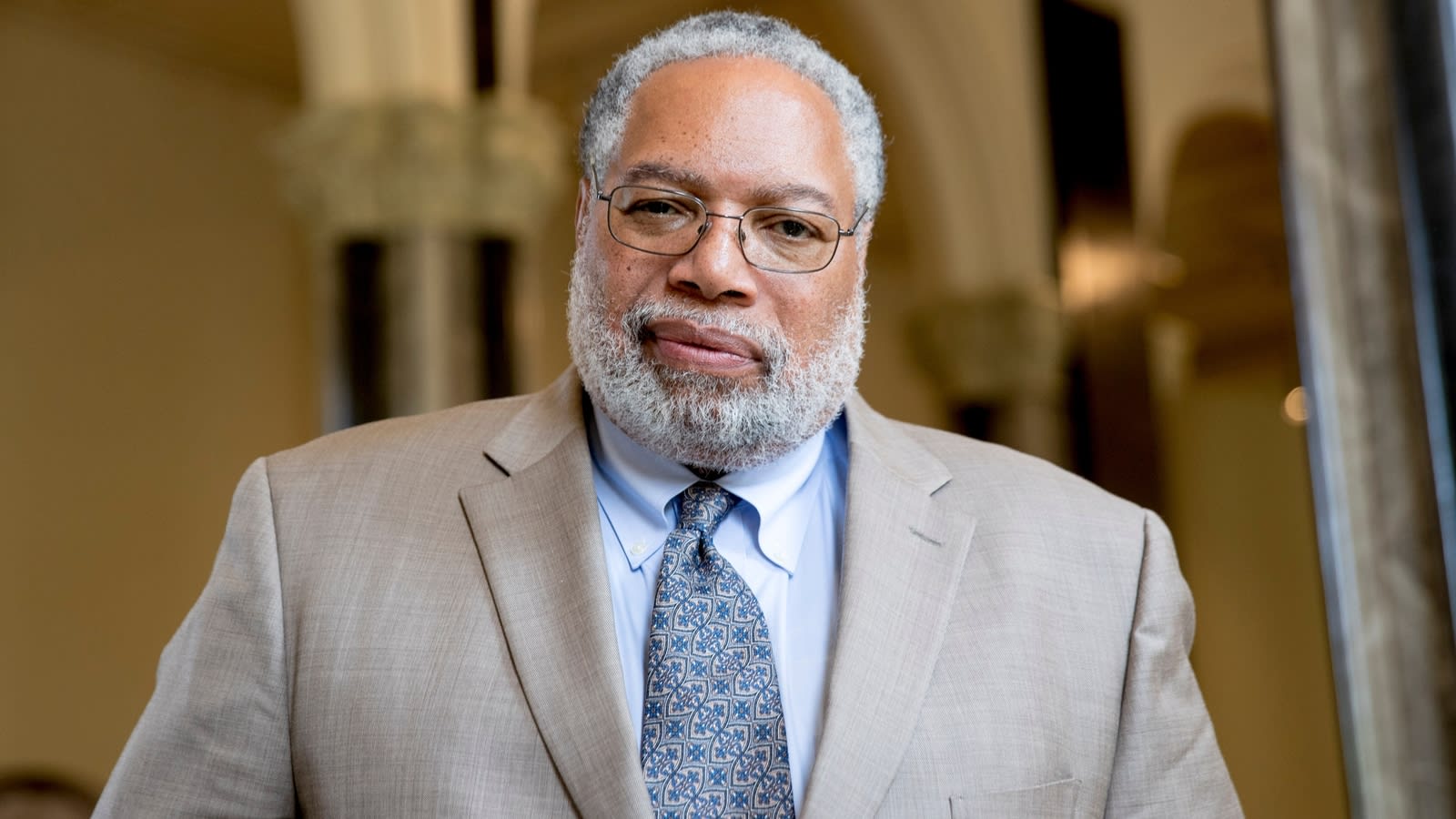
Smithsonian Secretary Lonnie Bunch III has announced his retirement following sustained pressure from the Trump administration regarding the institution's historical narratives. His departure marks a significant leadership transition for the world's largest museum organization during a period of intense political scrutiny.
The Departure of Lonnie Bunch: A Shift in Smithsonian Leadership
Lonnie Bunch III, the Secretary of the Smithsonian Institution, has officially announced his retirement, concluding a tenure marked by both significant achievement and intense political scrutiny. As the leader of the world's largest museum complex, Bunch occupied a high-profile position that often intersects with the nation's broader cultural and political debates. His resignation comes at a time when the Smithsonian has found itself under the microscope of the Trump administration, reflecting the ongoing struggle over how American history is curated, interpreted, and presented to the public.
The Intersection of Culture and Politics
The pressure exerted by the Trump administration on the Smithsonian reflects a broader trend of political engagement with cultural institutions. For years, the Smithsonian has been tasked with balancing the preservation of objective historical facts with the evolving sociopolitical landscape of the United States. Bunch’s leadership, particularly his emphasis on inclusivity and the documentation of diverse American stories, has periodically drawn criticism from political figures who argue that such historical framing represents a departure from traditional narratives.
Implications of Administrative Scrutiny
This retirement is not an isolated event but rather occurs within a wider context of administrative turnover. Reports indicate that several White House staffers are also preparing to depart, suggesting a broader pattern of personnel shifts within the current political environment. The pressure placed on the Smithsonian highlights the extent to which cultural institutions are viewed as battlegrounds for ideological influence, where the curation of exhibits is seen as a direct reflection of national identity and historical priority.
The Legacy of Lonnie Bunch
Lonnie Bunch III is widely recognized for his foundational role in the creation of the National Museum of African American History and Culture before ascending to the top role at the Smithsonian. His tenure has been defined by a commitment to expanding the scope of the institution's collections to better reflect the multifaceted nature of the American experience. His departure leaves a significant vacancy at an institution that serves as a cornerstone of American education and public history.
Future Trends in Institutional Governance
Looking ahead, the Smithsonian faces the complex task of navigating a polarized political climate while maintaining its mandate as a non-partisan research and education entity. The next leader will likely face similar challenges regarding the balance of historical integrity and political pressure. As the administration continues its efforts to reshape the priorities of major organizations, the Smithsonian’s path forward will be a critical indicator of how cultural institutions maintain their autonomy in an era of heightened political oversight.
Conclusion
The retirement of Lonnie Bunch III marks the end of a consequential chapter for the Smithsonian Institution. Whether this transition leads to a shift in the institution's curatorial focus or a continuation of its current trajectory remains to be seen. What is clear, however, is that the Smithsonian remains a focal point in the national conversation about who controls the narrative of American history and how those stories are told to future generations.
Verification Required?