The Lost Treasure of Sid Meier's Pirates
Source Entity
Hacker News
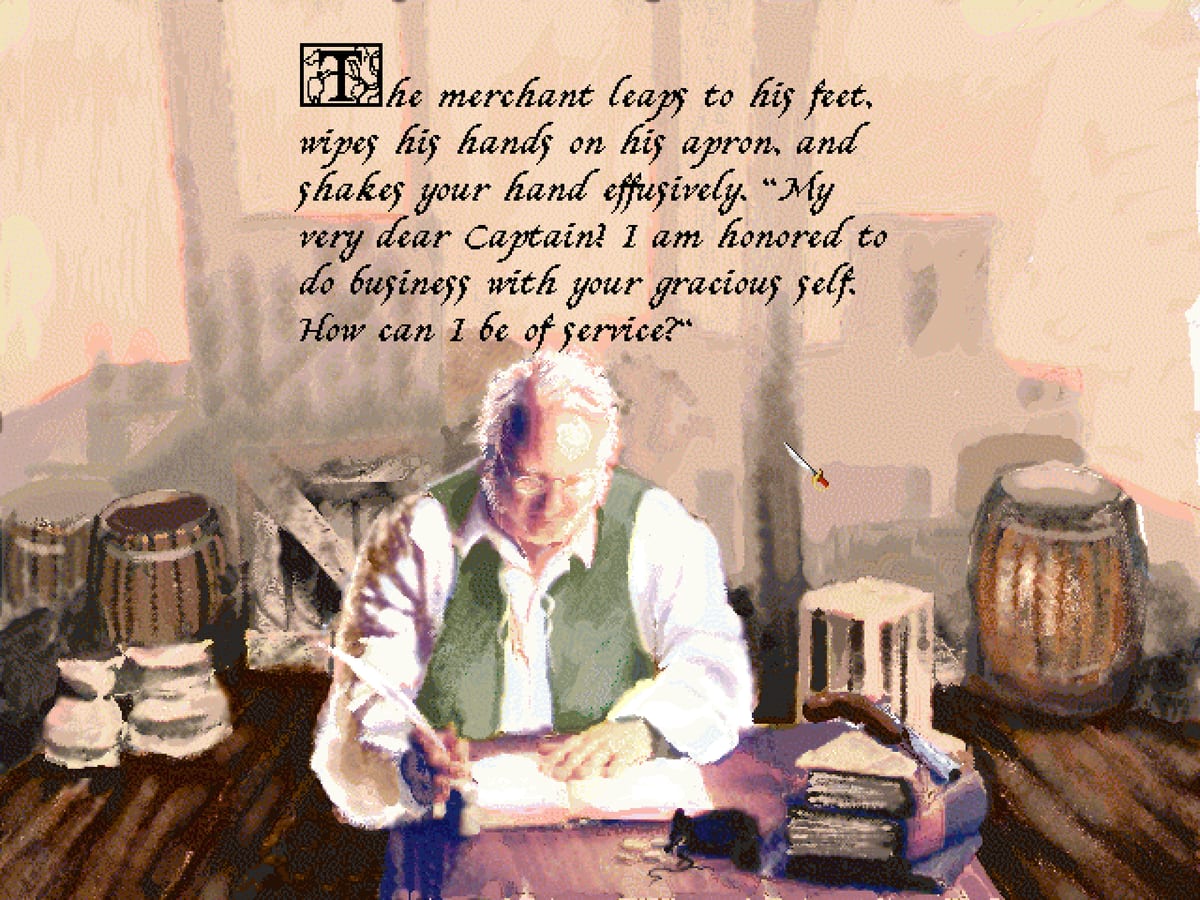
Sid Meier's 1987 release, Pirates!, marked a pivotal shift for Microprose from traditional wargames to a unique genre-defying experience. The game established the 'Sid Meier's' branding convention while challenging contemporary definitions of action-adventure.
The Genesis of an Icon: Sid Meier's Pirates!
In 1986, Microprose, a studio co-founded by Sid Meier and Bill Stealey in 1982, stood at a crossroads. Known primarily for technical vehicle simulations such as Gunship, Spitfire Ace, and F-15 Strike Eagle, as well as rigid strategic wargames like Crusade in Europe, the company was synonymous with historical accuracy and dry, data-driven gameplay. The decision to greenlight Sid Meier’s Pirates! represented a significant departure from this established identity, signaling a willingness to experiment with more fluid, narrative-driven mechanics.
Breaking the Genre Mold
When Pirates! was released in 1987, it defied easy categorization. While contemporary industry standards at the time classified it as an "action-adventure" game, this label feels antiquated when viewed through a modern lens. Unlike the platforming-heavy titans of the era—such as The Legend of Zelda, Metroid, or Castlevania—Pirates! completely eschewed platforming mechanics. By stripping away traditional jump-and-run gameplay, Meier created an experience that focused on systemic exploration and role-playing, which essentially made it a pioneer in a sub-genre that did not yet have a name.
The Birth of the Auteur Brand
Beyond its gameplay, Pirates! holds a special place in gaming history as the first title to feature the now-ubiquitous "Sid Meier's" prefix. This branding decision was not merely a marketing ploy; it signaled a shift in the industry toward the recognition of game designers as creative auteurs. By attaching his name to the title, Meier established a standard of quality and a specific design philosophy that would define his future catalog, including the legendary Civilization series.
Technical and Design Implications
The genius of Pirates! lay in its refusal to conform to the constraints of the 8-bit era's platforming trends. By focusing on a blend of ship navigation, turn-based combat, and social simulation, the game forced players to engage with the world of the Caribbean in a holistic way. This multi-faceted approach meant that the game could not be mastered through muscle memory alone, but rather through strategic decision-making and an understanding of the game's underlying systems.
Historical Legacy and Future Trends
Looking back, the influence of Pirates! is undeniable. It proved that a game did not need to follow the rigid mechanics of popular hits to be successful. This legacy paved the way for modern sandbox and open-world games that prioritize player agency and systemic depth over linear progression. As we analyze the evolution of game design, Pirates! stands as a testament to the importance of breaking internal company silos and trusting a developer's vision to explore uncharted territory.
Conclusion
Sid Meier's Pirates! remains a landmark release that changed both Microprose and the broader gaming landscape. By successfully merging simulation elements with adventure, Meier not only created a timeless classic but also laid the groundwork for the modern "auteur-driven" game development model. Its legacy continues to echo in any title that values creative freedom and systemic complexity over the rigid genre definitions of the past.