LSU vs Ole Miss kick off time update: Chaos with TV channels after Alabama vs FSU thunderstorm delay
Source Entity
Latest News: Todays Latest News Headlines from India & World | Hindustan Times | Hindustan Times
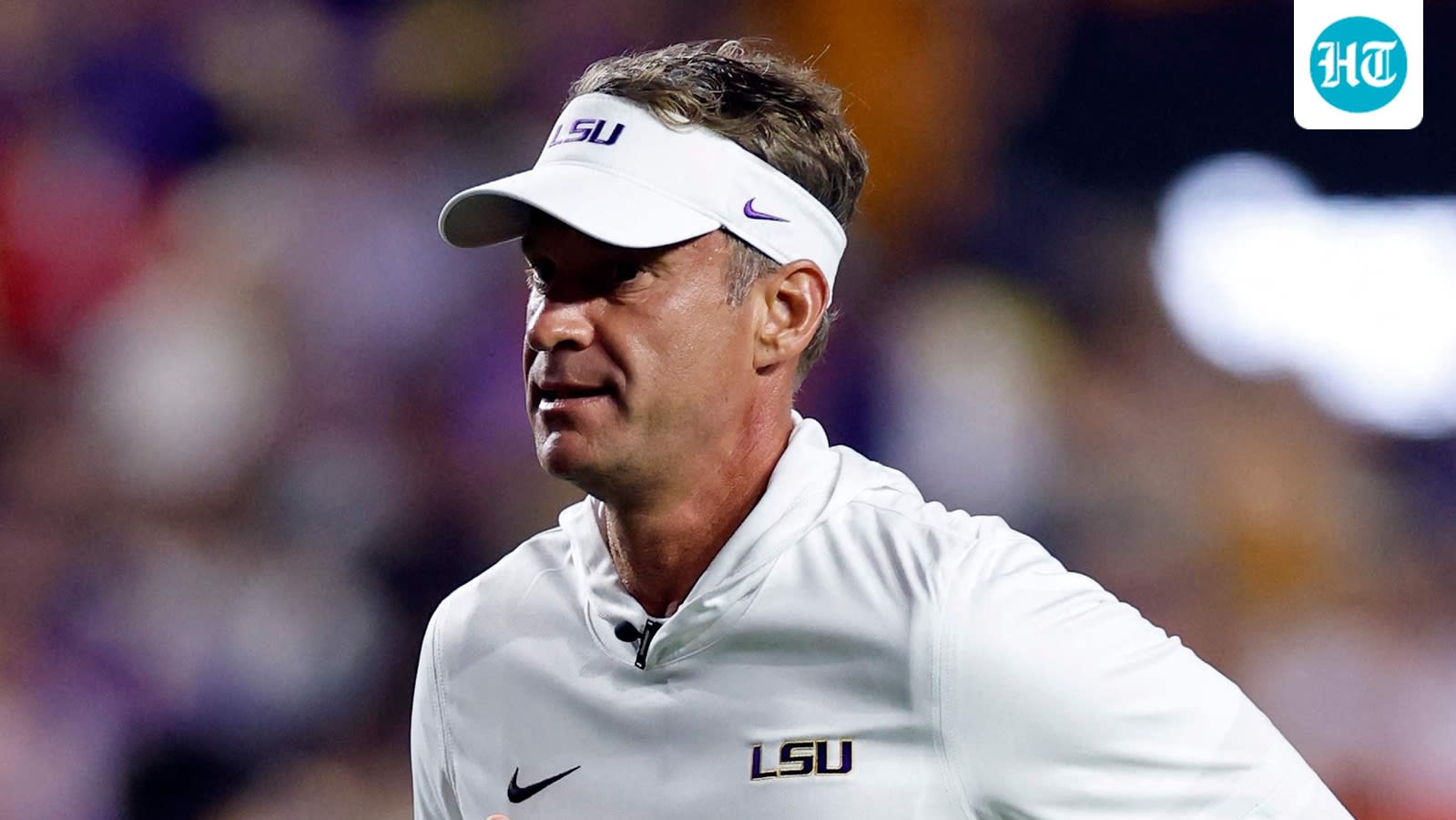
The LSU vs. Ole Miss game experienced a 20-minute kickoff delay due to broadcast scheduling conflicts caused by an earlier Alabama vs. FSU game. Networks shifted the Alabama-FSU game to ESPN2 to ensure the LSU-Ole Miss matchup could begin on ABC.
Broadcast Logistical Challenges in College Football
College football broadcasting is a complex ecosystem where the overflow of one game can significantly impact the schedule of another. The recent delay in the LSU vs. Ole Miss game, which pushed its kickoff from 7:30 PM ET to approximately 7:50 PM ET at Vaught-Hemingway Stadium, serves as a prime example of the logistical hurdles faced by major networks when games run long.
The Ripple Effect of Overtime and Weather
The root cause of this scheduling friction was the preceding Alabama vs. FSU game, which was broadcast on ABC. As that game extended into the third quarter with significant time remaining, networks were forced to make a real-time decision to accommodate the high-profile LSU vs. Ole Miss matchup. This necessitated shifting the Alabama-FSU broadcast to ESPN2, a common but disruptive practice in live sports television.
The Impact on Fan Experience and Stadium Operations
For fans in attendance at Oxford, Mississippi, the delay created a period of uncertainty. Stadium operations are tightly synchronized with television windows, and a 20-minute delay disrupts pre-game rituals, team warm-ups, and the general flow of the game-day environment. While fans at home could switch channels, the logistical burden on the stadium staff and the players—who must maintain their focus through an extended wait—is substantial.
Navigating Multi-Platform Broadcasting
Modern sports consumption relies on a multi-platform strategy involving linear television and digital streaming apps. By leveraging both ABC and the ESPN app, the network attempted to mitigate the loss of viewership. However, the confusion caused by moving a live broadcast mid-game highlights the inherent risks of scheduling major contests back-to-back on the same network.
Future Trends and Network Strategy
As college football continues to command massive television rights deals, the pressure on networks to manage these 'spillover' scenarios will only increase. Future broadcast strategies will likely require more robust contingency planning for games that exceed their allotted time slots. Ensuring that high-demand games like LSU vs. Ole Miss start on time is critical for maintaining viewer engagement and protecting the premium value of these media contracts.
Conclusion
The shift of the Alabama vs. FSU game to ESPN2 ensured that the LSU vs. Ole Miss kickoff could finally proceed at 7:50 PM ET. While the 20-minute delay was a source of frustration, it highlights the delicate balance networks maintain between keeping live content on primary channels and ensuring that subsequent marquee games receive the exposure promised to their audience.
Verification Required?