Lucknow police bust theft racket, nab 4 with over 16K-litre fuel
Source Entity
Latest News: Today's Latest News Headlines from India & World | Hindustan Times | Hindustan Times
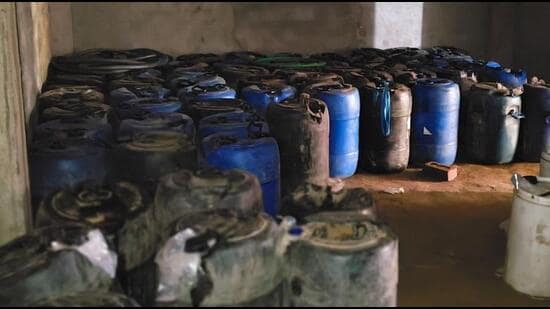
Preliminary findings suggest that many such issues could instead stem from fuel theft, adulteration and black marketing
Major Fuel Theft Racket Dismantled by Lucknow Police
In a significant crackdown on organized crime targeting essential commodities, the Lucknow police have successfully busted a sophisticated fuel theft racket. The operation resulted in the apprehension of four suspects and the recovery of a staggering amount of fuel, exceeding 16,000 litres. This operation underscores a growing trend of industrial-scale theft within the fuel supply chain, where organized groups exploit vulnerabilities in transportation and storage to divert high-value petroleum products for illegal gain.
The Scale and Logistics of the Operation
The recovery of over 16,000 litres of fuel indicates that this was not a petty crime but a structured enterprise. Moving and storing such a massive volume of highly flammable liquid requires specific logistical arrangements, including unauthorized storage tanks and specialized transport vehicles. The arrest of four key individuals suggests a hierarchy within the racket, likely involving roles ranging from the physical siphoning of fuel to the coordination of illegal sales. This level of organization often implies a network of collaborators who facilitate the movement of stolen goods without triggering alarms in official inventory logs.
The Menace of Adulteration and Black Marketing
Beyond simple theft, the preliminary findings by the Lucknow police point toward a more sinister pattern: fuel adulteration and black marketing. In these schemes, stolen fuel is often mixed with cheaper, low-grade solvents or chemicals to increase the total volume, thereby maximizing profit margins. When this adulterated fuel is sold through black market channels or unscrupulous fuel stations, it poses a severe risk to consumers. Adulterated fuel can lead to permanent engine damage, decreased fuel efficiency, and increased vehicular emissions, shifting the financial burden of the crime from the thieves to the unsuspecting public.
Economic Implications and Market Distortion
The existence of such rackets creates a distorted local economy. By flooding the market with stolen fuel sold at discounted rates, these criminals undercut legitimate fuel retailers who operate within the legal framework and pay necessary taxes. This not only results in a loss of revenue for the state exchequer but also encourages a shadow economy where transparency is non-existent. The scale of this bust suggests that the black market for fuel in the region may be more pervasive than previously thought, necessitating a deeper audit of fuel distribution networks in and around Lucknow.
Systemic Vulnerabilities in the Supply Chain
This incident highlights critical gaps in the fuel supply chain. Fuel theft typically occurs during the transit phase—between the refinery, the depot, and the retail outlet. The use of 'skimming' techniques or the tampering of tanker seals are common methods employed by such rackets. The fact that 16,000 litres were recovered suggests a systemic failure in monitoring tankers or a potential collusion between the thieves and insiders within the logistics chain. To prevent future occurrences, there is an urgent need for the implementation of real-time GPS tracking and digital seal monitoring for all fuel transport vehicles.
Conclusion and Future Outlook
The swift action by the Lucknow police serves as a deterrent to other organized crime rings operating in the energy sector. However, the investigation into the four arrested suspects is likely only the beginning. As authorities delve deeper into the distribution network, more accomplices and illegal storage sites may be uncovered. Moving forward, a multi-agency approach involving both law enforcement and petroleum regulatory bodies will be essential to eradicate the culture of fuel adulteration and ensure that the integrity of the fuel supply remains uncompromised for the safety and economic well-being of the citizens.
Verification Required?