21,000 students, 2,900 beds: LU’s hostel capacity fails to keep pace with student growth
Source Entity
Latest News: Todays Latest News Headlines from India & World | Hindustan Times | Hindustan Times
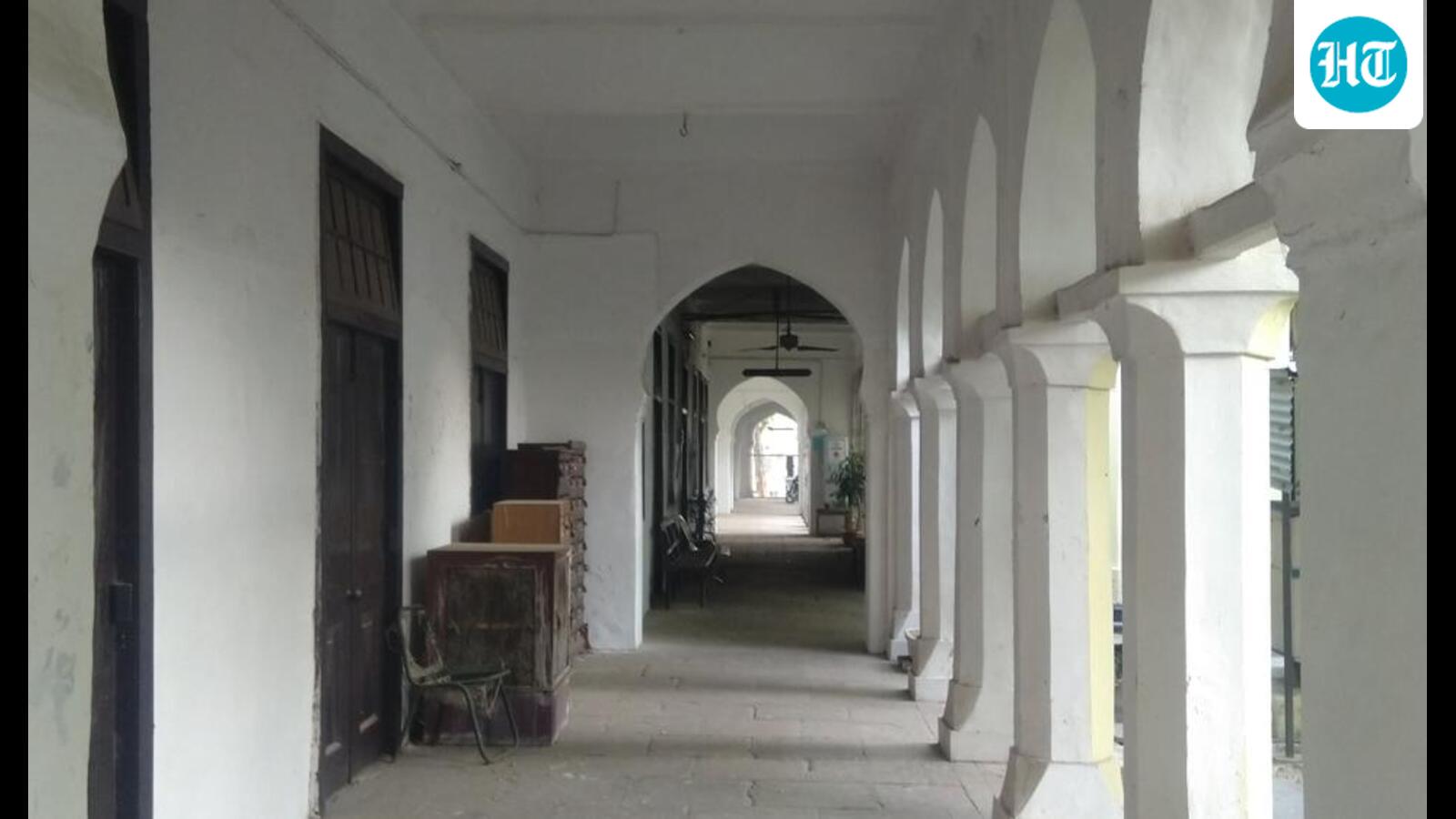
Lucknow University faces a critical accommodation shortage with only 2,900 beds for 21,000 students. The administration is seeking government funding for new hostels to address safety concerns and capacity gaps.
The Growing Crisis of Student Accommodation at Lucknow University
Lucknow University (LU), a century-old institution, is currently navigating a severe infrastructure crisis that highlights the disconnect between rapid student enrollment and available campus resources. With a student body reaching approximately 21,000 across its two campuses, the university provides only 2,900 hostel beds. This massive disparity forces a significant majority of students to seek private accommodation in the surrounding city, often in unregulated or overcrowded facilities.
The Catalyst for Concern
The urgency of this situation has been magnified by external safety events, specifically the collapse of a five-storey paying guest (PG) building in Delhi’s Satya Niketan on September 6. This tragic incident has served as a wake-up call for university administrators, forcing them to re-evaluate the risks associated with students living in off-campus housing that may not adhere to strict safety or structural standards. The vulnerability of students residing in such improvised housing has brought the university’s own residential capacity gap into sharp focus.
Government Intervention and Infrastructure Plans
To address this critical shortage, the university administration is actively lobbying the Uttar Pradesh state government for financial and administrative support. The government has already approved a proposal for a new 350-seater girls' hostel, with construction slated to commence in the near future. This is a vital first step, but it represents only a fraction of the total need given the current student-to-bed ratio.
Future Expansion and Long-term Strategy
Looking ahead, Lucknow University is not stopping at a single project. The administration is currently drafting proposals for additional residential blocks. Furthermore, plans for two new hostels at the university's second campus have been submitted to the government. These proposals are currently awaiting both formal approval and the necessary financial assistance required to break ground. The success of these initiatives will depend heavily on the state's willingness to prioritize university infrastructure.
Broader Implications for Higher Education
This situation at Lucknow University is emblematic of a wider trend in Indian public higher education, where legacy institutions struggle to scale their physical infrastructure at the same pace as academic enrollment. As universities expand their intake to meet the demands of a growing demographic, the lack of secure, affordable, and on-campus housing risks creating a secondary crisis of student welfare and academic focus. If these infrastructure gaps are not addressed, the burden remains on the students and their families to navigate a volatile private rental market, which often lacks the oversight necessary for student safety.
Verification Required?