Ludhiana to Jind direct train approved; Indian Railways extends passenger service
Source Entity
Anish Mondal
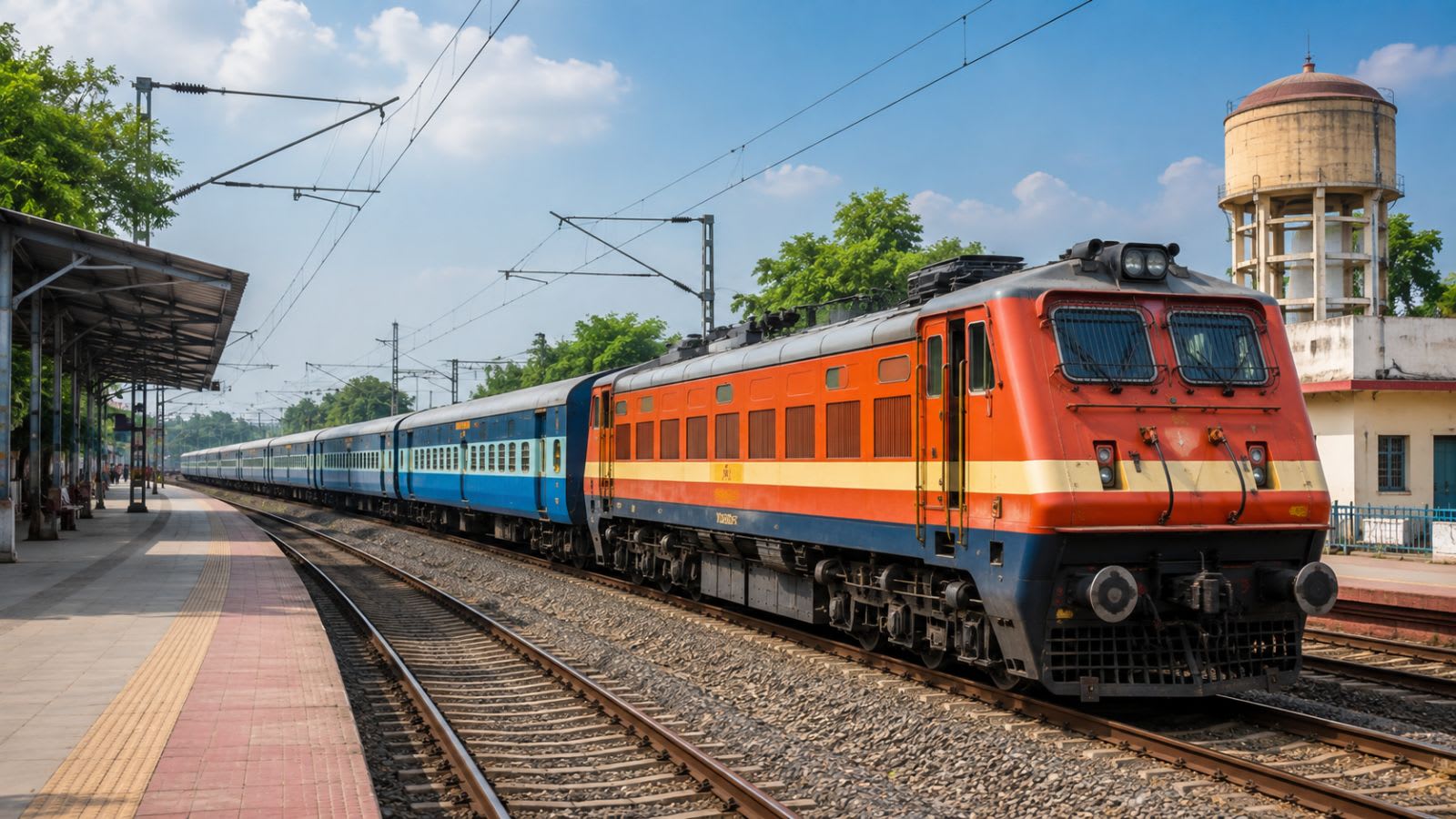
Indian Railways has approved a direct train service connecting Ludhiana in Punjab to Jind in Haryana by extending an existing route. This infrastructure upgrade removes the need for transit at Jakhal, significantly improving connectivity for daily commuters.
Enhanced Connectivity: Ludhiana to Jind Rail Expansion
Indian Railways has officially approved the extension of an existing passenger train service to establish a direct link between Ludhiana, Punjab, and Jind, Haryana. This strategic decision by the Northern Railway (NR) zone aims to streamline regional transportation, addressing long-standing connectivity gaps for thousands of daily travelers who navigate the corridor between these two states.
Operational Logistics and Route Expansion
The project involves the modification of existing train schedules, specifically affecting train numbers 54054 and 54053. By extending the operational route from 128 km to 200 km, the railway authorities have effectively bridged the geographical divide. This extension ensures that passengers no longer need to endure the inconvenience of changing trains at Jakhal, thereby creating a seamless, uninterrupted travel experience.
Impact on Commuter Demographics
This rail development is poised to serve a diverse demographic, including students, office-goers, and traders who rely heavily on affordable public transport. By providing a direct line, the Northern Railway is reducing the 'friction' of travel, which historically acted as a barrier for those commuting between Punjab and Haryana for professional or educational purposes. The removal of the intermediate stop at Jakhal is expected to save valuable time and reduce the physical burden on daily passengers.
Broader Implications for Regional Development
The expansion of this rail corridor signifies a broader commitment by Indian Railways to optimize existing infrastructure rather than solely focusing on new lines. By extending current services, the railway can achieve higher efficiency with lower capital expenditure. This move is indicative of a trend toward improving regional connectivity in North India, which is essential for the economic integration of neighboring states like Punjab and Haryana.
Future Trends and Connectivity Outlook
Looking forward, the success of the Ludhiana-Jind direct line may encourage the Northern Railway to evaluate other similar 'gap-filling' projects. As demand for reliable public transit increases, the focus on eliminating transit nodes—such as the previous requirement to switch at Jakhal—will likely remain a priority. This shift highlights a customer-centric approach aimed at improving the overall efficiency of the national rail network.
Conclusion
In summary, the extension of the Ludhiana-Jind service is a positive development for North Indian transit infrastructure. By prioritizing direct, uninterrupted travel, Indian Railways is directly addressing the needs of a growing commuter base, ensuring that the economic and social links between Punjab and Haryana remain robust and accessible.