‘I shot him, he died. Knew it was illegal’: Luigi Mangione pleads guilty to killing UnitedHealthcare CEO
Source Entity
Latest News: Todays Latest News Headlines from India & World | Hindustan Times | Hindustan Times
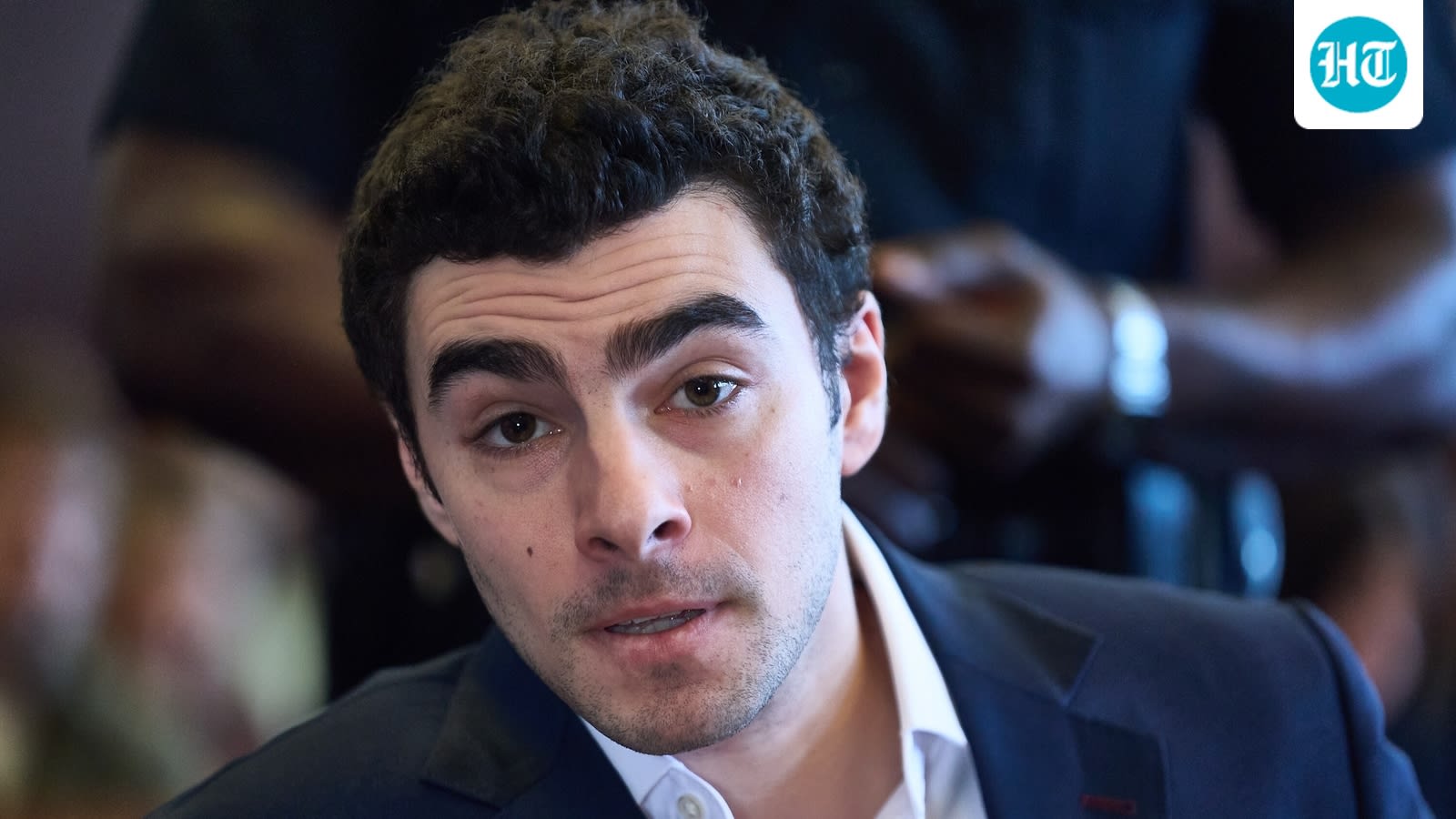
Luigi Mangione has pleaded guilty to federal stalking charges in the 2024 killing of UnitedHealthcare CEO Brian Thompson. His legal team is now leveraging this federal plea to argue for the dismissal of state murder charges based on double jeopardy protections.
The Legal Strategy Behind the Mangione Plea
Luigi Mangione, the individual accused of the December 2024 assassination of UnitedHealthcare CEO Brian Thompson, has officially entered a guilty plea in federal court. This development marks a pivotal shift in a case that has gripped the nation since the high-profile shooting occurred outside a Manhattan hotel during an investor conference. By admitting to federal stalking charges resulting in death, Mangione has fundamentally altered the trajectory of his ongoing legal battles.
The Double Jeopardy Argument
Immediately following the federal plea, Mangione’s defense team filed a motion in New York state court seeking to have the pending murder and related charges dismissed. The core of their argument rests on New York’s state-level double jeopardy protections. Defense attorneys contend that because the federal conviction addresses the core criminal act—the killing of Mr. Thompson—the state is constitutionally and procedurally barred from prosecuting the same defendant for the same underlying conduct.
Admission of Intent and Execution
During his appearance in Manhattan U.S. District Court, Mangione provided a chilling narrative of the events leading up to the crime. He admitted to traveling to New York with the explicit intent to kill the executive, noting that he had previously contacted UnitedHealthcare under the guise of an investor to gain information ahead of the conference. His admission, "On the morning of December 4, 2024, I shot Mr. Thompson in Manhattan and he died," serves as the first formal acknowledgment of responsibility in the case.
Evidence and Prosecution Strength
Prior to this plea, the prosecution had built a formidable case against the 28-year-old. Law enforcement officials had recovered significant physical evidence, including a 9-millimeter handgun, a silencer, a loaded magazine, and a personal diary that reportedly detailed his motivations. The combination of this material evidence and his explicit courtroom confession suggests that the state's case was likely to result in a conviction, prompting the defense to pivot toward this strategic plea deal.
Broader Implications and Future Trends
This case highlights the complexities inherent in dual-sovereignty prosecutions within the American legal system. While federal and state governments generally have the authority to prosecute crimes independently, specific state statutes can provide broader protections against successive prosecutions. The outcome of the motion to dismiss the state charges will likely become a landmark reference point for how federal guilty pleas impact state-level proceedings in high-stakes criminal litigation.
Conclusion
As the legal proceedings move forward, the focus shifts to the presiding judge’s interpretation of New York's double jeopardy laws. Whether the state court permits the murder trial to proceed or accepts the defense's motion to dismiss will determine the finality of Mangione's sentencing. For now, the case remains a stark reminder of the intersection between corporate security and the legal system's response to targeted violence.
Verification Required?