From Macaca to MAGA: How one needling remark can become a political thorn for Trump
Source Entity
CHIDANAND RAJGHATTA
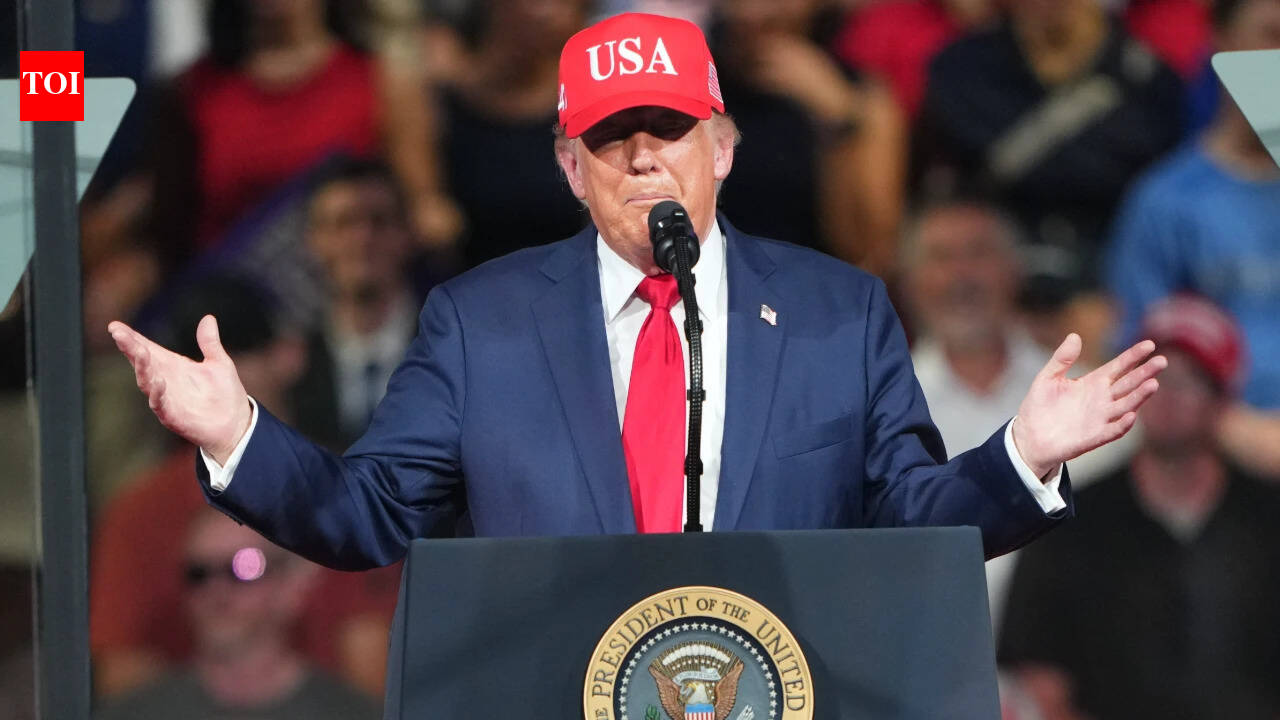
The political landscape is increasingly shaped by controversial rhetoric, drawing parallels between past incidents like George Allen's 'macaca' remark and modern discourse. These verbal missteps are creating friction within the Republican Party, potentially impacting future electoral outcomes.
The Power of Rhetoric in Political Destabilization
Political history is littered with instances where a single, ill-conceived remark has served as a catalyst for seismic shifts in electoral fortunes. The 2006 incident involving Senator George Allen, who used the racial slur "macaca" during a campaign stop, remains a seminal case study in how a seemingly isolated comment can derail a political career. By alienating key demographics and shifting the media narrative, Allen’s remark provided a template for how linguistic negligence can transform into a permanent political thorn, ultimately contributing to a loss of momentum that redefined his race.
Modern Echoes and the MAGA Discourse
In the current political climate, this phenomenon has evolved through the lens of the MAGA movement and the rhetoric associated with Donald Trump. The scrutiny has extended beyond the former president to down-ballot figures, such as Republican Bo French, whose recent social media activity has invited widespread condemnation. These instances suggest that the digital age has amplified the reach of such controversies, ensuring that a single post or remark can permeate the national consciousness far more rapidly than in the era of the 2006 midterm elections.
Intra-Party Friction and Distancing
There is a palpable sense of unease percolating within the Republican Party as moderate factions and prominent figures begin to distance themselves from inflammatory rhetoric. This internal friction highlights a strategic divide: some believe that aggressive, unfiltered communication is essential to maintaining the base, while others fear it acts as a deterrent to the suburban and moderate voters necessary for broad electoral success. This tactical disagreement is not merely cosmetic; it represents a fundamental struggle over the identity and future direction of the party.
The Impact on Midterm Strategy
As the political landscape moves toward upcoming midterm elections, the viability of candidates is increasingly tied to their ability to navigate these rhetorical minefields. The potential for a single controversial statement to alienate swing voters forces party leadership to weigh the benefits of populist fervor against the dangers of public backlash. If the trend of distancing continues, it could signal a pivot toward more disciplined messaging, or conversely, it may deepen the divide between the populist wing and the institutional establishment.
Long-Term Political Consequences
Looking forward, the legacy of these linguistic controversies will likely dictate the tone of future political cycles. The historical precedent set by the "macaca" moment serves as a warning that voters are increasingly sensitive to the tenor of political discourse. As the influence of social media remains a primary driver of political engagement, the ability to maintain message discipline will be a critical determinant of electoral success. Ultimately, the tension currently observed within the GOP serves as a microcosm of a broader national debate over the standards of political conduct in a polarized democracy.