‘Modinomics’ & UPI transformed India’s growth story: Defence Minister Rajnath Singh in Kolkata
Source Entity
Sweety Kumari
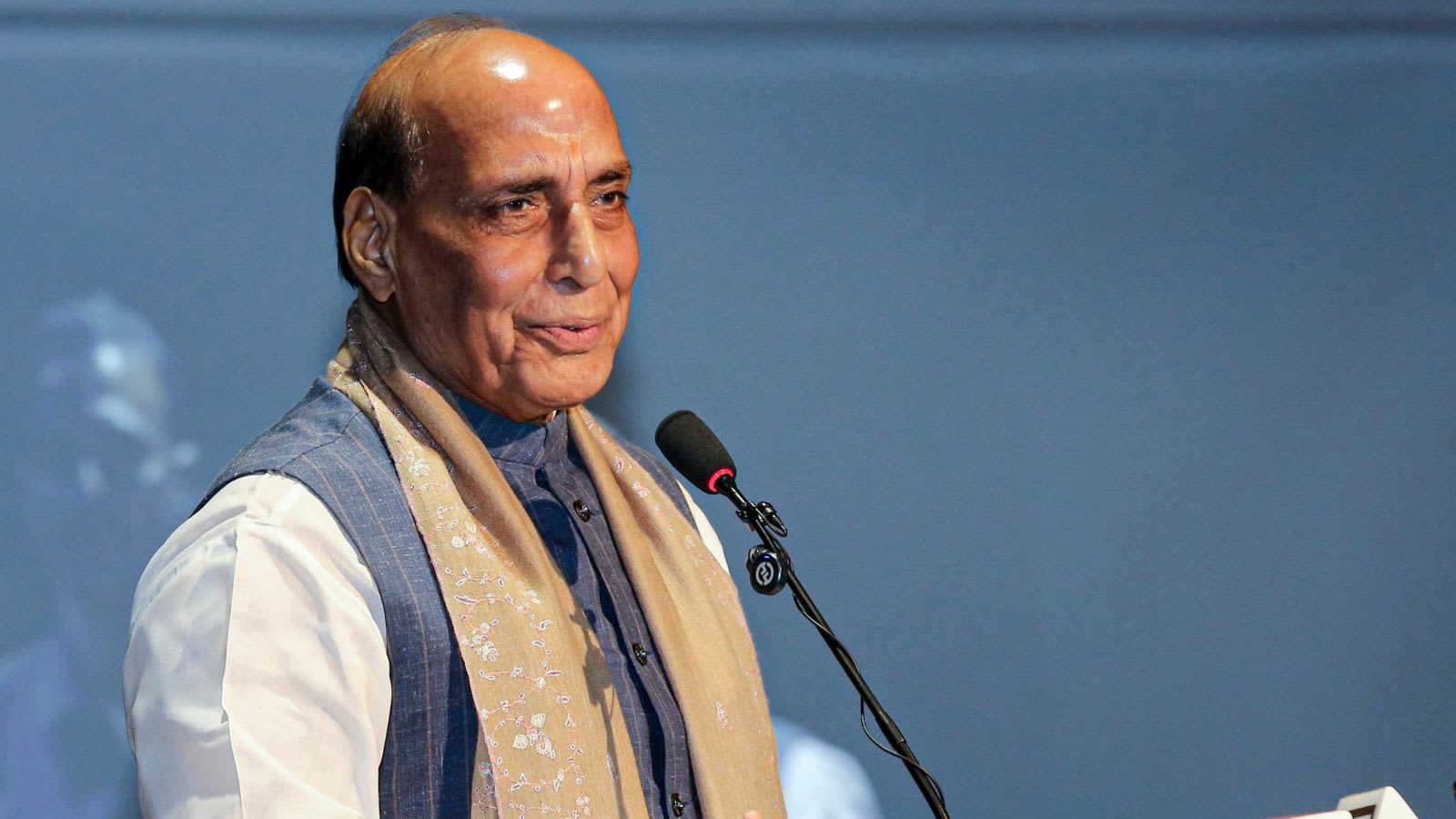
Defence Minister Rajnath Singh credited 'Modinomics' and the digital infrastructure like UPI for India's recent economic transformation. He emphasized that the current administration has successfully unlocked the nation's human and intellectual capital since 2014.
The Strategic Pillars of Modinomics
Defence Minister Rajnath Singh’s recent remarks in Kolkata underscore a pivotal narrative in contemporary Indian political discourse: the assertion that the economic policies implemented since 2014—collectively termed 'Modinomics'—have fundamentally altered the trajectory of the nation. By emphasizing the integration of digital infrastructure, such as the Unified Payments Interface (UPI), into the daily lives of citizens, the government highlights a shift toward formalizing the economy and enhancing financial inclusion. This strategic focus is presented as the bedrock upon which India’s rapid growth story is currently being built.
Unlocking Human and Intellectual Capital
A central theme of Singh’s address was the liberation of India's latent potential. He argued that while India possessed significant 'brainpower' and 'manpower' prior to 2014, these assets were constrained by a lack of an enabling ecosystem. The current administration claims to have dismantled these structural bottlenecks, allowing the country's youth and professionals to contribute more effectively to the national economy. This perspective suggests that the current growth is not merely a result of capital injection but a consequence of institutional and environmental shifts that favor productivity.
Governance and the Path to Development
The Defence Minister’s commentary links the success of these economic policies directly to the concept of 'good governance.' In the context of his visit to Kolkata, the emphasis on a steady path of development serves to reinforce the government’s commitment to administrative reform. By positioning 'Modinomics' as an all-encompassing vision, the government aims to demonstrate that its policies are designed to create a sustainable and long-term framework for progress, rather than short-term gains.
The Role of Digital Transformation
Technological advancement, particularly through digital public infrastructure, remains a hallmark of the administration's economic strategy. The mention of UPI as a transformative tool highlights how digital accessibility has empowered millions, bridging the gap between the formal financial system and the unbanked. This technological leap is viewed by the government as a primary driver for the efficiency and transparency improvements that have defined the post-2014 economic landscape.
Future Implications and Conclusion
Looking ahead, the narrative presented by Rajnath Singh sets the stage for a continued focus on digital-first growth and human-centric policy development. By framing the current era as one of realized potential, the government is signaling its intention to maintain this trajectory of structural reform. Ultimately, the success of 'Modinomics' will continue to be measured by its ability to sustain this momentum, ensuring that the integration of digital tools and human capital continues to yield dividends for the broader Indian populace.