Don’t trust Centre unless it’s a written deal, J&K CM tells Ladakhi delegation
Source Entity
NASEER GANAI
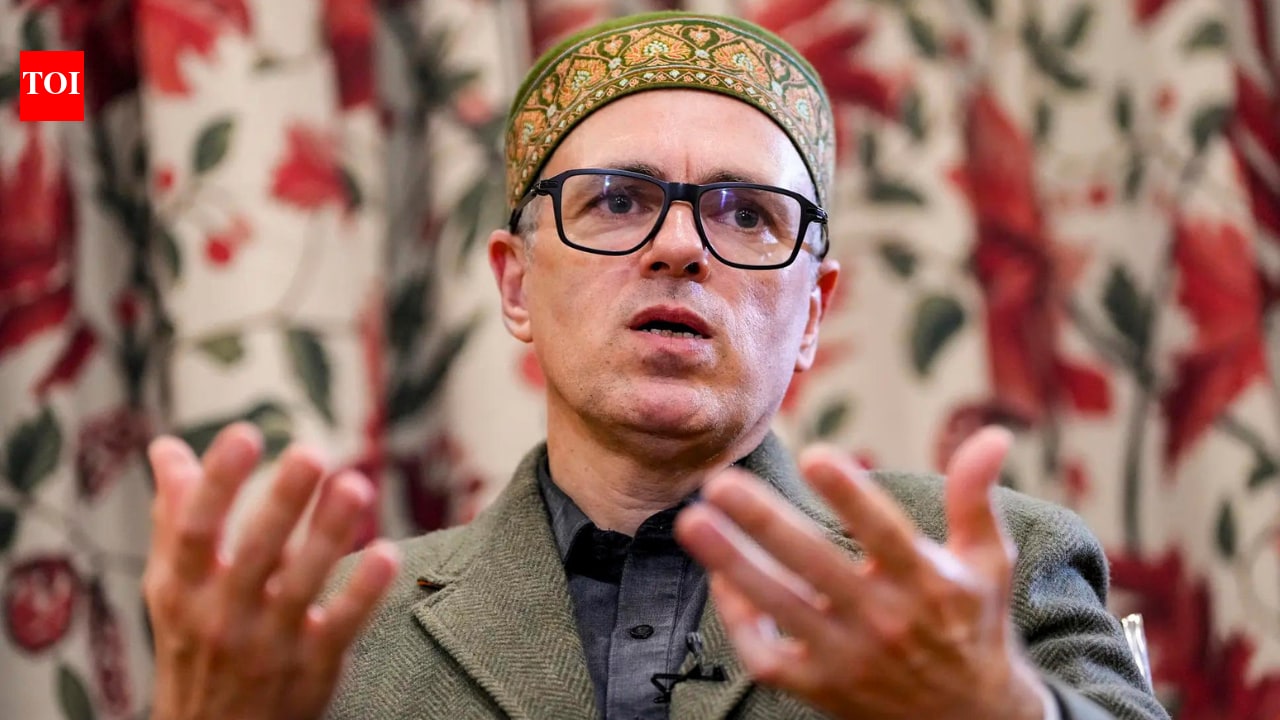
Jammu and Kashmir Chief Minister Omar Abdullah has urged Ladakh's leadership to demand written agreements from the Centre regarding constitutional safeguards. His comments follow failed talks between Ladakhi groups and the government, highlighting a deep skepticism rooted in past broken promises about J&K statehood.
The Crisis of Credibility in Federal Negotiations
Jammu and Kashmir Chief Minister Omar Abdullah has issued a pointed warning to the leadership of Ladakh, advising them to reject verbal assurances from the central government in favor of legally binding, written agreements. This development follows a recent, unsuccessful round of negotiations in New Delhi between the Ministry of Home Affairs and representatives from the Ladakh Apex Body (LAB) and the Kargil Democratic Alliance (KDA). The stalemate underscores a deepening trust deficit between regional stakeholders and the Union government regarding constitutional protections for land, jobs, and political autonomy.
The Historical Context of Broken Promises
Omar Abdullah’s skepticism is rooted in the recent political history of Jammu and Kashmir. Following the 2019 reorganization, the central government provided various assurances regarding the eventual restoration of statehood to the region. However, these commitments have yet to materialize in a definitive legal framework. By drawing a parallel between J&K's experience and the current struggles of Ladakh, Abdullah is framing the lack of progress as a systemic issue rather than an isolated case of bureaucratic delay.
Analyzing the Demands of Ladakh
The Ladakh Apex Body and the Kargil Democratic Alliance have been at the forefront of a movement demanding constitutional safeguards, often citing the Sixth Schedule of the Constitution to protect their cultural and demographic identity. The failure of the recent talks indicates that the Centre and the Ladakhi leadership remain deadlocked on the extent of legislative power and land protection that should be devolved to the region. Abdullah’s intervention serves to bolster the position of these groups by emphasizing that without a signed, written document, any negotiation is essentially hollow.
Implications for Regional Stability
The advice offered by the Chief Minister reflects a shift in regional political rhetoric, where leaders are increasingly prioritizing tangible legal guarantees over political posturing. By positioning himself as an 'elder brother' to the Ladakhi leadership, Abdullah is attempting to form a cross-regional consensus on how to engage with New Delhi. This solidarity could potentially complicate the Centre's strategy of handling these regions separately, as it encourages a unified demand for transparency and constitutional accountability.
Future Trends and Political Fallout
Looking ahead, this trend suggests that future negotiations between the Centre and various regional stakeholders will likely face higher hurdles. If the government continues to rely on verbal assurances, it risks further alienating regional leaders who are now actively counseling their peers to adopt a more confrontational, documentation-heavy approach. The demand for 'written deals' may become the new benchmark for any meaningful progress, effectively raising the bar for federal negotiators. Ultimately, the stability of these sensitive border regions will depend on whether the Centre is willing to formalize its commitments in a way that satisfies the legal and political demands of the local populations.
Multiple Citing Sources