Jeff Bezos' ex-wife MacKenzie Scott donates to US youth mental health non-profit
Source Entity
TOI TECH DESK
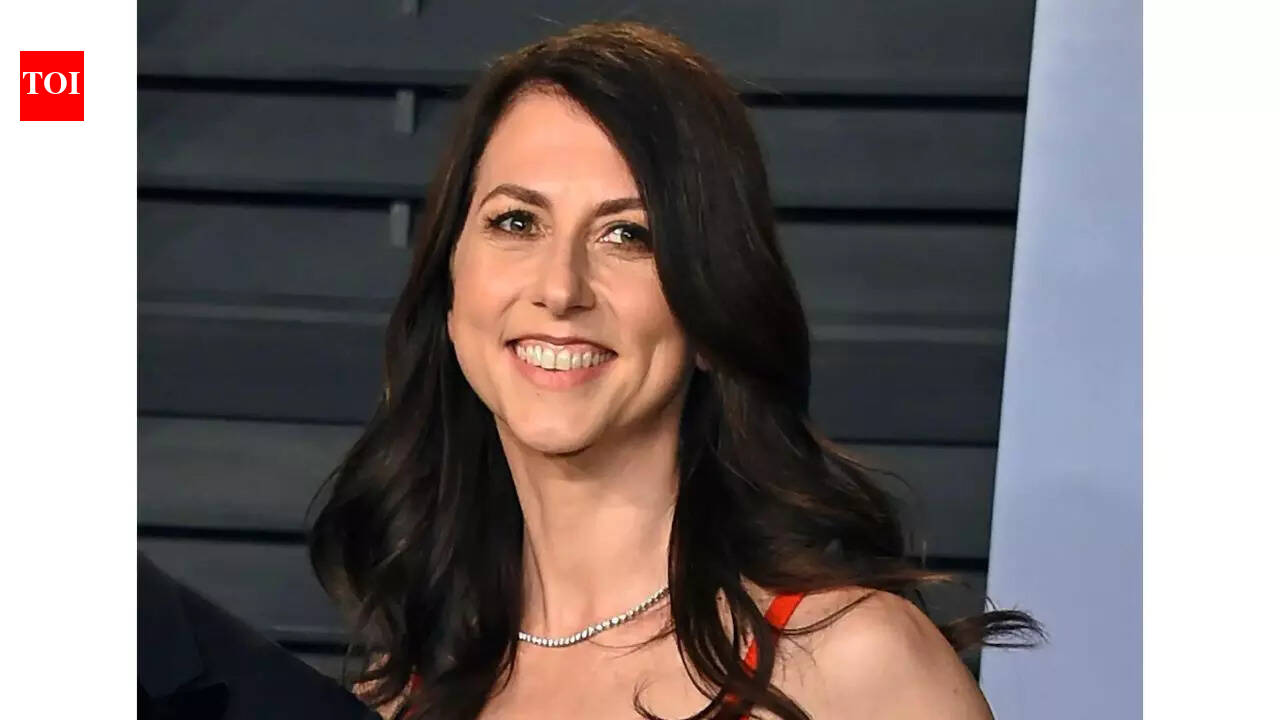
MacKenzie Scott has donated twenty million dollars to Active Minds. This significant contribution is the largest in the nonprofit's history. Active Minds focuses on youth mental health awareness and reducing stigma. The unrestricted funds will expand programs and support young leaders. This donation occurs amid growing concerns about youth mental health.
A Historic Investment in Youth Mental Wellness
In a move that signals a critical prioritization of adolescent wellbeing, philanthropist MacKenzie Scott has awarded a $20 million grant to Active Minds, a non-profit organization dedicated to youth mental health. This contribution stands as the largest single donation in the organization's history, providing a massive injection of capital into a sector that has long been underfunded relative to the scale of the crisis it addresses. By targeting youth mental health awareness and the reduction of social stigma, this donation aims to dismantle the barriers that prevent young people from seeking the help they desperately need.
The Power of Unrestricted Funding
One of the most significant aspects of this donation is that the funds are "unrestricted." In the world of philanthropy, unrestricted grants are rare and highly prized because they allow the receiving organization to allocate resources where they are most needed without being tethered to the specific whims or mandates of the donor. For Active Minds, this means they can invest in infrastructure, hire specialized staff, or pivot their strategies in real-time to meet emerging needs in the youth mental health landscape. This approach reflects Scott's broader philanthropic philosophy of trust-based giving, which empowers non-profit leaders to execute their vision without the bureaucratic burden of restrictive reporting and narrow project constraints.
Addressing the Youth Mental Health Crisis
This donation arrives at a pivotal moment as the global community grapples with a burgeoning youth mental health crisis. The prevalence of anxiety, depression, and suicidal ideation among teenagers and young adults has risen sharply over the last decade, exacerbated by the isolation of the COVID-19 pandemic, the pressures of social media, and increasing academic competition. By focusing on "awareness and reducing stigma," Active Minds is tackling the root cause of treatment avoidance. When mental health struggles are viewed as a weakness or a source of shame, young people suffer in silence; by normalizing these conversations, the organization creates a pathway for early intervention and long-term recovery.
Historical Context of High-Net-Worth Philanthropy
Historically, large-scale donations to health sectors have often focused on physical ailments or specific diseases. However, there is a shifting trend toward "whole-person health," where mental wellness is viewed as being just as critical as physical health. MacKenzie Scott's decision to target a youth-centric mental health organization highlights a growing recognition among the ultra-wealthy that systemic societal issues—such as the mental health gap—require aggressive, well-funded interventions. This move likely places further pressure on governments and traditional foundations to increase their spending on preventative mental health services rather than solely focusing on crisis management and hospitalization.
Future Implications and Scalability
Looking forward, the scale of this $20 million grant is expected to act as a catalyst for further investment. When a high-profile donor like Scott validates a specific non-profit, it often triggers a "multiplier effect," attracting other donors who view the organization as a vetted and effective vehicle for social change. For Active Minds, the ability to expand its programs means they can potentially scale their peer-to-peer support models across more campuses and communities, creating a sustainable network of young leaders trained to recognize signs of distress in their peers.
Conclusion
Ultimately, MacKenzie Scott's contribution to Active Minds is more than just a financial transaction; it is a strategic investment in the future resilience of the youth population. By providing the resources necessary to fight stigma and expand awareness, this grant addresses a critical void in the healthcare system. As the organization leverages these funds to empower young leaders, the long-term impact will likely be measured not just in the number of programs launched, but in the number of lives saved through early detection and the creation of a more empathetic, mental-health-conscious society.