MacKenzie Scott helped abolish $40B in medical debt; how mechanics work
Source Entity
TOI TECH DESK
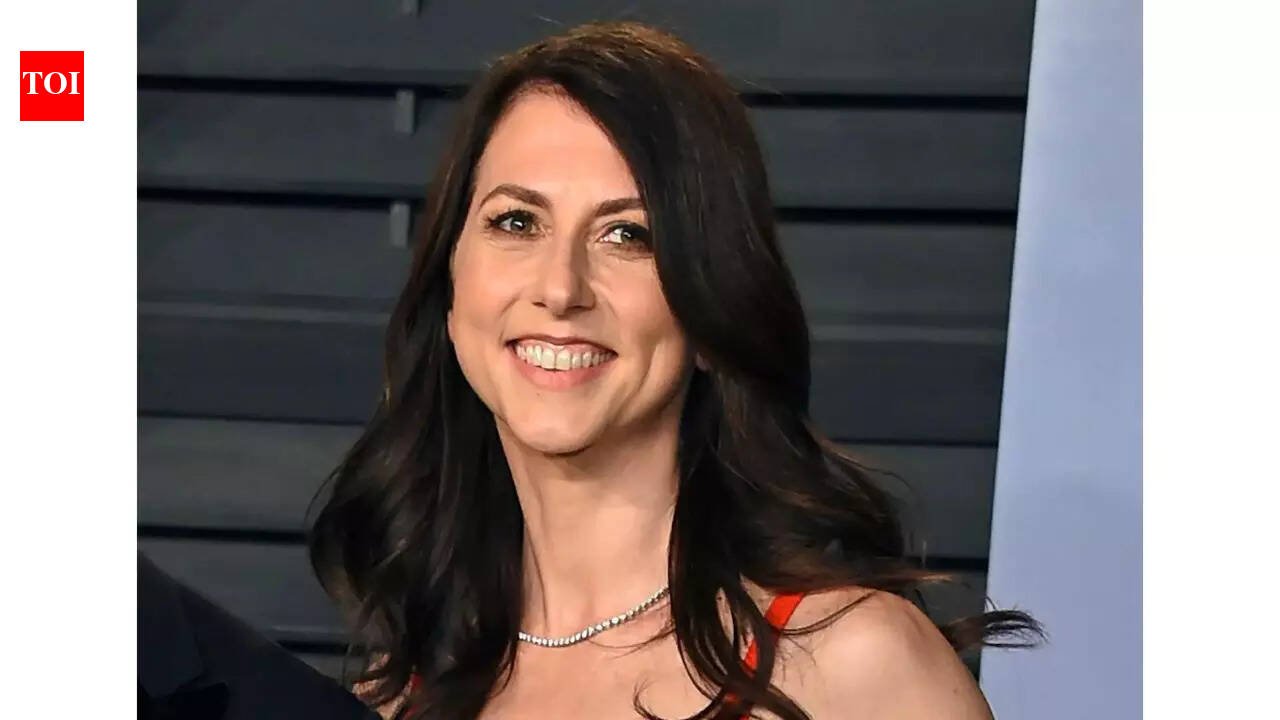
MacKenzie Scott has transformed medical debt relief by donating over $100 million to the non-profit Undue Medical Debt. This initiative has successfully abolished $40 billion in patient debt, though experts highlight that systemic policy reform remains necessary to address the root causes of the crisis.
The Philanthropic Revolution in Medical Debt Relief
MacKenzie Scott, the philanthropist and former spouse of Amazon founder Jeff Bezos, has fundamentally altered the landscape of charitable giving by targeting the crushing weight of medical debt. Through strategic donations totaling over $100 million to the non-profit organization now known as Undue Medical Debt (formerly RIP Medical Debt), Scott has facilitated the erasure of more than $40 billion in medical obligations for millions of American families. This initiative represents a departure from traditional, smaller-scale charity, opting instead for a high-impact model that provides immediate, life-changing financial relief.
The Mechanics of Debt Cancellation
The efficacy of this model lies in the secondary market for healthcare debt. Undue Medical Debt operates by purchasing bundles of medical debt from hospitals and debt collectors for pennies on the dollar. Because medical debt is often deemed uncollectible by the time it reaches these secondary markets, organizations can acquire large portfolios at a fraction of their face value. Scott’s capital infusion allowed the organization to scale this process, effectively canceling billions in debt while spending only a small portion of the total value in actual cash, thereby maximizing the return on every donated dollar.
Scaling the Impact and Influencing Peers
Scott’s influence extends beyond the immediate relief provided to families across all 50 states; she has effectively set a new standard for high-net-worth philanthropy. Her transparent and trust-based approach has inspired other billionaires to consider similar large-scale contributions, legitimizing medical debt relief as a critical pillar of social welfare. By turning a niche non-profit into a national force, she has demonstrated how concentrated philanthropic capital can address systemic failures that traditional social safety nets have struggled to mitigate.
The Constraints of Private Philanthropy
Despite the monumental success of these efforts, the model is not without its limitations. While $40 billion is a staggering figure, it represents only a fraction of the total medical debt held by Americans. Critics and policy experts argue that relying on the benevolence of private individuals to solve a structural healthcare issue is inherently precarious. Philanthropy, by nature, is discretionary and subject to the priorities of the donor, making it an unreliable substitute for consistent, long-term public policy reform.
Future Trends and Policy Reform
The success of Scott’s donations has brought the issue of medical debt into the national spotlight, fueling a growing conversation about the necessity of legislative change. While the current philanthropic model serves as an essential bridge, the long-term trend suggests that systemic reform—such as tighter regulation on hospital billing practices and the expansion of affordable coverage—is the only path toward permanent resolution. As the conversation matures, the focus may shift from individual debt cancellation to the underlying mechanisms that allow such extreme medical debt to accumulate in the first place.