How ‘Made in Germany’ became popular in colonial India
Source Entity
Adrija Roychowdhury
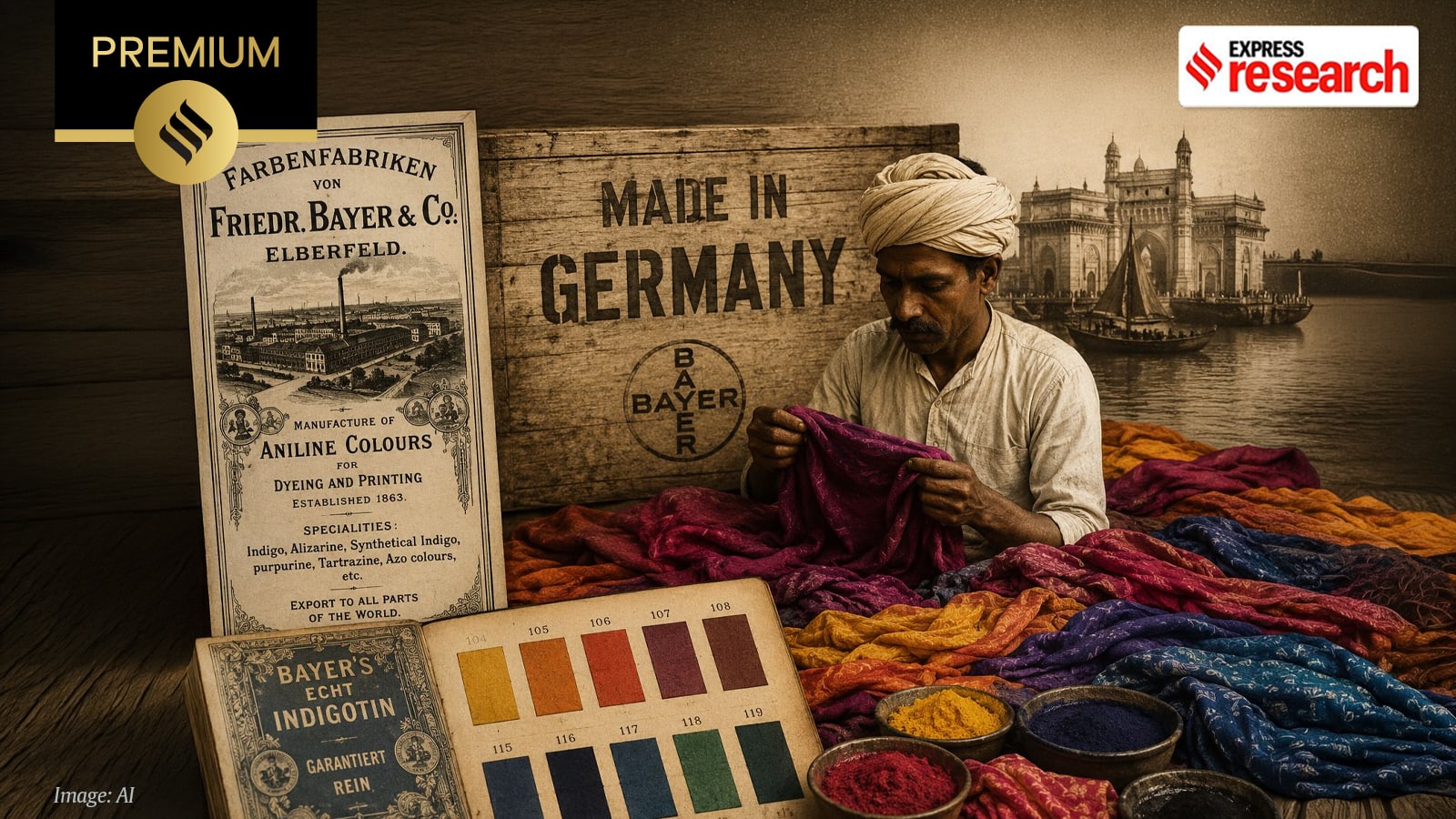
The 1905 Swadeshi movement in India led to a strategic shift toward German imports as an alternative to British goods. This economic boycott fostered a nuanced nationalist perspective that prioritized Indian self-reliance without rejecting all foreign technology.
The Strategic Rise of 'Made in Germany' in Swadeshi India
The 1905 Partition of Bengal served as a crucible for Indian nationalism, catalyzing the Swadeshi movement into a potent force for political and economic resistance. While the movement is widely recognized for its calls to boycott British goods and the rallying cry of “Vande Mataram,” a fascinating, lesser-known economic dimension emerged during this era: the calculated shift toward German manufacturing. As Indian activists sought to dismantle the economic stranglehold of the British Empire, they recognized that total autarky was not immediately feasible, leading them to embrace German goods as a strategic alternative.
Economic Pragmatism Amidst Political Protest
It is a common misconception that the Swadeshi movement advocated for a complete rejection of all foreign commodities. In reality, the movement was rooted in a pragmatic acknowledgment of India’s industrial limitations. Where domestic manufacturing lacked the specialized knowledge or infrastructure to produce essential goods, nationalist leaders sought out non-British alternatives. This nuanced approach allowed the movement to maintain its anti-colonial stance while ensuring that the Indian economy did not collapse due to a lack of necessary tools, machinery, and consumer products.
The German Advantage
Germany, having unified in 1871 and rapidly industrialized under the leadership of Otto von Bismarck, emerged as a natural industrial partner for Indian nationalists. German products, often characterized by high engineering standards and technological innovation, provided a convenient loophole in the boycott. By favoring 'Made in Germany' labels, Indian merchants and consumers were able to strike a blow against British mercantile supremacy without sacrificing quality or utility. This choice was not merely an economic preference; it was a political statement that India was capable of maneuvering within the global market to serve its own national interests.
Intellectual Justification of the Boycott
Prominent intellectual figures of the time, such as Sri Aurobindo, played a critical role in articulating this economic philosophy. In a notable 1908 speech, Aurobindo justified the selective nature of the boycott, questioning why Indians should penalize other nations like America or Germany for the specific colonial oppression inflicted by Britain. By framing the boycott as a targeted weapon against British imperialism rather than a blanket rejection of foreign trade, leaders provided the intellectual cover necessary for the Indian public to engage in global commerce selectively.
Broader Implications and Historical Legacy
This episode in Indian history highlights the sophistication of the anti-colonial struggle. The embrace of German imports demonstrates that the Swadeshi movement was as much about global economic diplomacy as it was about domestic production. It forced British authorities to realize that their colonial subjects were capable of forming alternative trade networks that bypassed the metropole. This period established a precedent for future Indian economic policies that sought to balance the necessity of global technology transfers with the overarching goal of national sovereignty.
Conclusion: A Lesson in Strategic Autonomy
The legacy of 'Made in Germany' during the Swadeshi movement serves as a testament to the foresight of Indian nationalist leaders. By distinguishing between political enemies and economic partners, they navigated a complex international landscape to sustain their revolution. This historical analysis underscores that the most effective resistance movements are those that balance ideological purity with the pragmatic realities of economic survival, a lesson that continues to echo in contemporary discussions regarding self-reliance and global trade.