Madhya Pradesh: Man dies as rasgulla explodes in mouth. Neighbour held for hiding bomb inside
Source Entity
Anand Mohan J
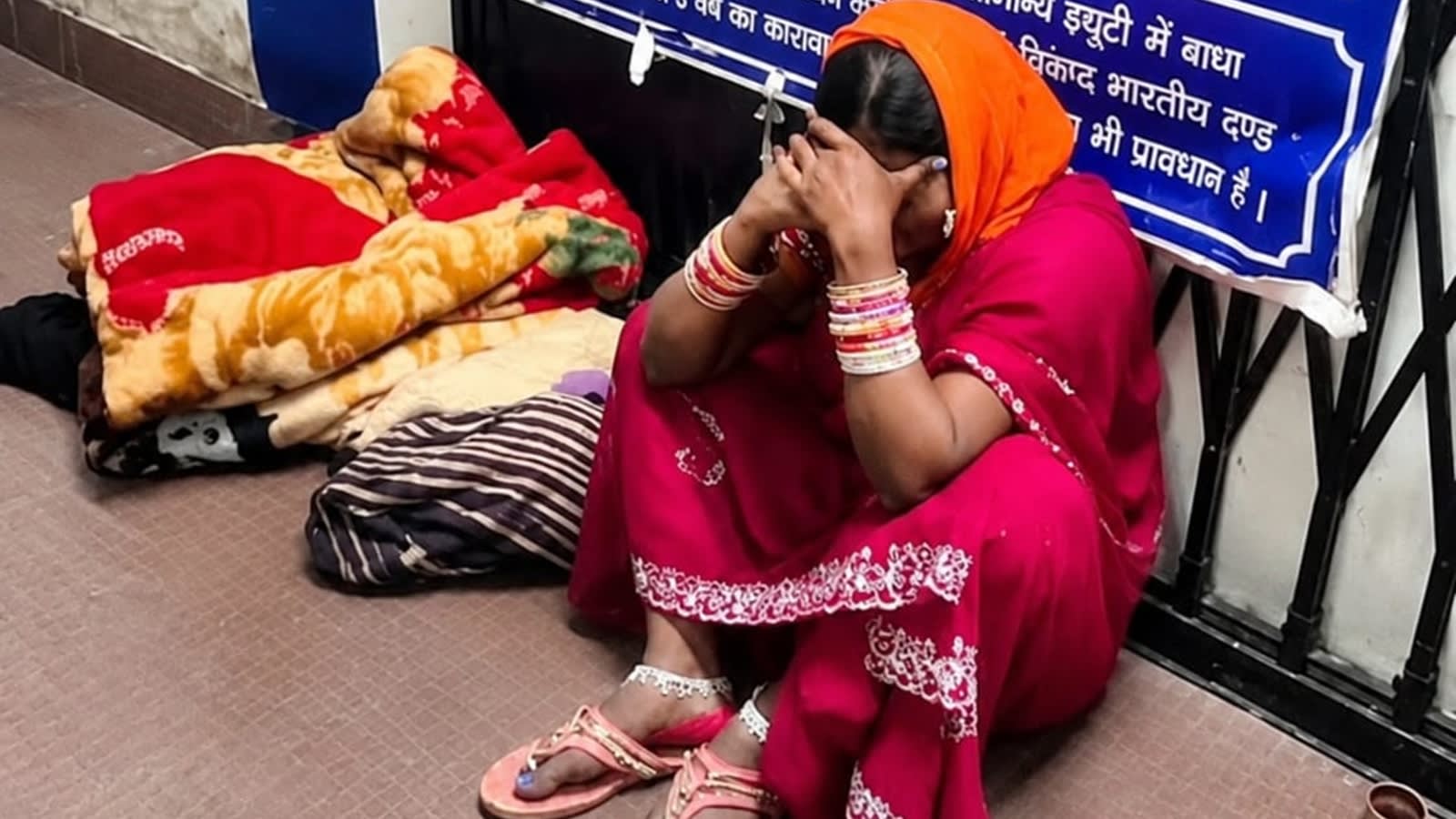
A 35-year-old man in Madhya Pradesh's Dindori district died after consuming a rasgulla that had been rigged with a crude explosive. Police have arrested a local villager who allegedly used a device meant for hunting wild boars to commit the act.
A Tragic Deception: The Dindori Bombing Incident
In a harrowing incident that has shocked the community of Padariya Chhanta village in Madhya Pradesh’s Dindori district, 35-year-old Rajendra Barautiya lost his life under circumstances that blend local desperation with lethal malice. While enjoying a bonfire with his family on a Tuesday evening, Barautiya was approached by a neighbor who offered him a rasgulla, a popular Indian sweet. The act, seemingly rooted in hospitality, served as a facade for a calculated act of violence that led to Barautiya's death after the device detonated within his mouth.
The Mechanics of a Crude Weapon
Preliminary investigations by the Dindori Kotwali police suggest that the explosive used was a crude device typically employed by local poachers to kill wild boars. These devices, often referred to as 'aalu bombs' in local parlance, are designed to trigger upon pressure or ingestion. By concealing such a volatile mechanism inside a soft, unassuming sweet, the perpetrator transformed an everyday edible item into a targeted improvised explosive device (IED). This highlights a dangerous intersection between rural agricultural protection and criminal intent.
Broader Implications of Rural Poaching Devices
The use of wildlife deterrents or hunting tools against human targets represents a significant escalation in rural conflict. In regions where wild animal encroachment poses a threat to crops, the proliferation of homemade explosives for pest control is a known, albeit illegal, phenomenon. However, the repurposing of these tools to settle interpersonal vendettas or commit homicide illustrates the severe risks posed by the lack of regulation over such materials. The ease with which these devices can be constructed and deployed remains a critical concern for law enforcement agencies tasked with maintaining public safety in remote areas.
The Legal and Social Aftermath
Following the incident, local authorities acted swiftly to apprehend the suspect, a fellow villager identified as the individual who handed the sweet to the victim. The arrest marks the beginning of a complex legal process that will likely hinge on forensics to determine the exact composition of the explosive and the intent behind its concealment. Beyond the criminal proceedings, the incident has left the community of Padariya Chhanta reeling, highlighting the fragility of social trust in rural settings where neighborly gestures can be weaponized.
Future Trends and Safety Concerns
This tragedy serves as a grim indicator of the potential for localized violence when dangerous materials are easily accessible. If the use of agricultural explosives for non-agricultural violence becomes a trend, it may necessitate stricter oversight of the raw materials used in these crude devices. As the investigation continues, the focus will undoubtedly shift toward understanding the motive behind such a brutal act and ensuring that the perpetrator faces the full weight of the law, potentially deterring others from utilizing similar life-threatening methods in the future.