Reckless allegations against newly inducted Ministers in Tamil Nadu will affect their performance: Madras High Court
Source Entity
India Latest News: Top National Headlines Today & Breaking News | The Hindu
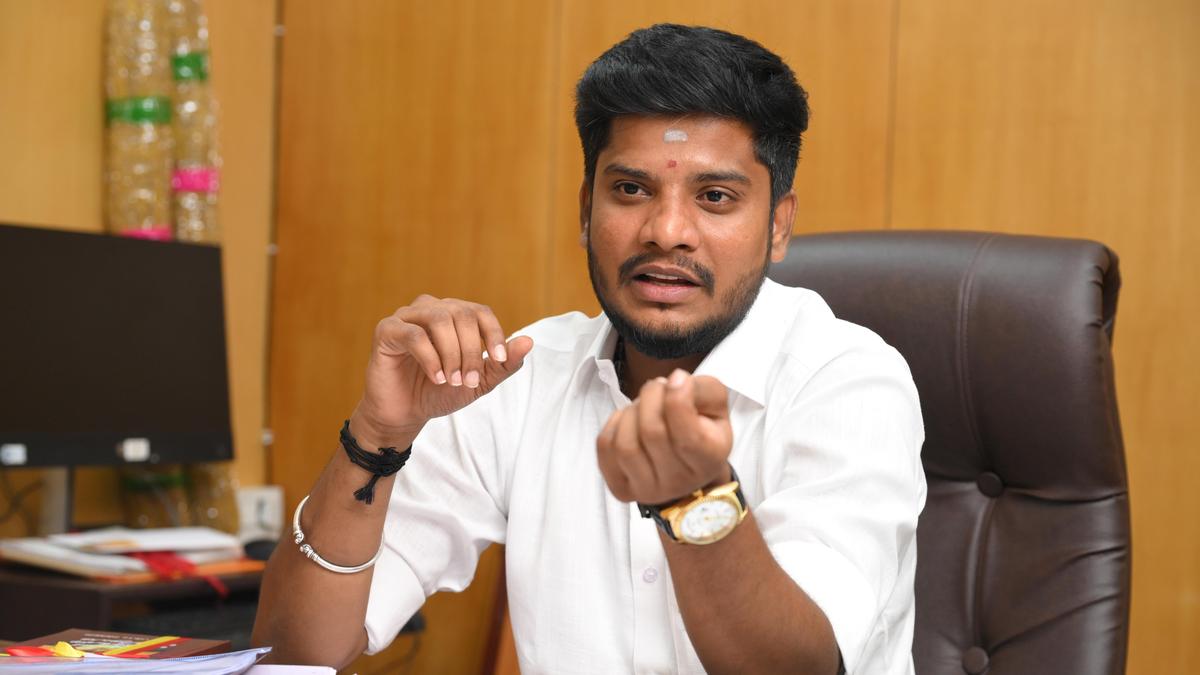
The Madras High Court has cautioned against spreading unverified allegations against government ministers, noting that such rhetoric hampers official duties. The court ordered a social media user to express regret for posting false claims regarding a temple land dispute involving Minister Ramesh.
The Madras High Court's Stance on Social Media Accountability
In a significant legal observation, the Madras High Court has addressed the growing tension between digital freedom of speech and the professional integrity of public officials. Justice D. Bharatha Chakravarthy emphasized that reckless allegations directed at newly inducted ministers in the Tamil Nadu government create unnecessary anxiety, which can ultimately impede the effective execution of their official responsibilities. This ruling serves as a stern reminder that the digital sphere is not exempt from the standards of accountability and factual verification.
The Case of Unverified Allegations
The court's intervention was prompted by a specific incident involving Vinoth Suriya Kumar, a DMK sympathizer who utilized the platform X (formerly Twitter) to disseminate claims regarding the Palani Dhandayuthapaniswamy Temple. The post alleged that temple lands had been illicitly registered in the name of a relative of the Hindu Religious and Charitable Endowments (HR&CE) Minister, Ramesh. Upon review, the court identified these claims as baseless, highlighting the dangerous tendency of individuals to bypass verification processes before publishing sensitive information.
Judicial Directives and Responsibility
Justice Chakravarthy’s directive requiring the content creator to file an affidavit expressing regret is a measured approach to judicial correction. By mandating that the individual must explicitly admit that the content was posted without fact-checking, the court is reinforcing the legal expectation that public discourse must be grounded in reality. The requirement to verify the prima facie existence of facts before future publications establishes a precedent for digital responsibility, particularly when the reputation of public servants is at stake.
Broader Implications for Governance
This ruling touches upon the broader implications of how social media can be weaponized to destabilize governance. When public officials are forced to contend with a barrage of unverified allegations, their focus is diverted from policy implementation and civic duties to crisis management and reputation defense. The Madras High Court’s position suggests that the judiciary is increasingly sensitive to how digital harassment can paralyze administrative progress, necessitating a more disciplined approach to online commentary.
Historical Context and Future Trends
The intersection of social media and political discourse in India has become increasingly fraught with misinformation. Historically, public figures have faced scrutiny, but the speed and reach of platforms like X have amplified the impact of falsehoods. Moving forward, this ruling indicates a shift toward a more rigorous judicial environment where platforms and content creators may face stricter scrutiny. As the legal system continues to adapt to the digital age, we can expect more directives that prioritize the verification of claims before they are allowed to circulate in the public domain.
Concluding Summary
Ultimately, the Madras High Court's decision underscores the necessity of a balance between the right to express political opinion and the duty to maintain factual integrity. By holding individuals accountable for reckless claims, the court is protecting the administrative environment of Tamil Nadu from unnecessary disruption. This case serves as a vital lesson for all social media users: the freedom to share information carries the inherent burden of ensuring that such information is accurate and verified.
Verification Required?