Maharashtra looking at Kerala model to strengthen primary health care
Source Entity
Latest News: Todays Latest News Headlines from India & World | Hindustan Times | Hindustan Times
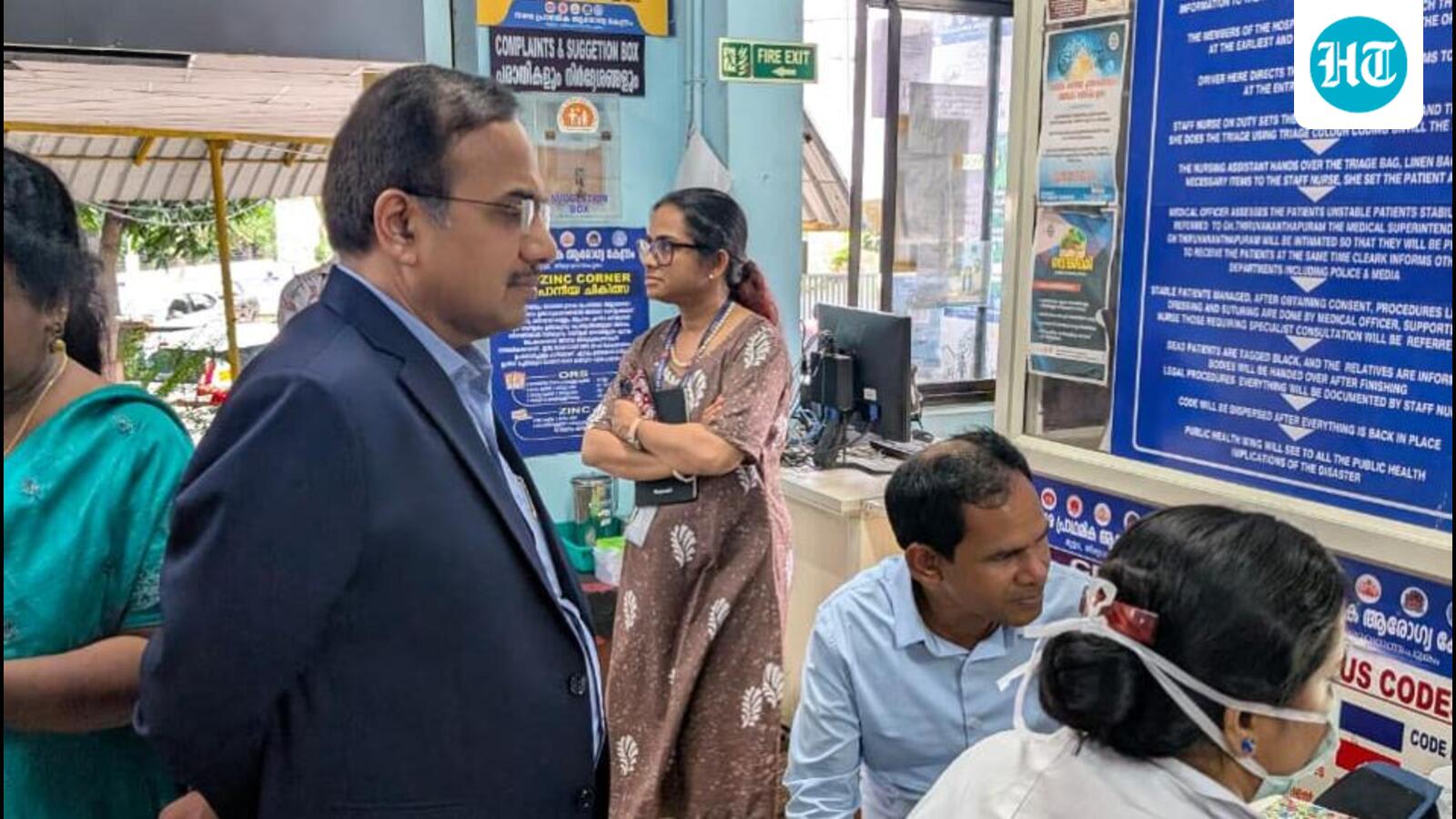
Maharashtra has sent a delegation to Kerala to study its successful Family Health Centre (FHC) model. The state aims to adapt Kerala's strategies for primary healthcare, digital services, and disease surveillance to improve its own health infrastructure.
Maharashtra Seeks to Transform Primary Healthcare via Kerala Model
In a strategic move to bolster its public health infrastructure, the Maharashtra state government recently dispatched a high-level delegation to Kerala to study the state’s acclaimed primary healthcare system. Led by Public Health Secretary E. Ravindran, the delegation conducted a three-day tour from August 6 to 8, focusing on identifying scalable models that can be adapted to meet the specific demographic and geographic needs of Maharashtra. This cross-state cooperation highlights an increasing trend of Indian states looking toward internal best practices to solve complex public health challenges.
The Focus on Family Health Centres (FHCs)
At the core of the delegation's interest is Kerala’s Family Health Centre (FHC) model. These centers have been instrumental in transforming the primary care landscape in Kerala by providing a comprehensive suite of services under one roof. Unlike traditional dispensaries, FHCs prioritize a holistic approach, encompassing the screening and management of non-communicable diseases, maternal and child healthcare, professional counseling, and consistent follow-up care. By studying these facilities, Maharashtra aims to replicate a system that reduces the burden on tertiary hospitals by treating patients closer to their homes.
Digital Integration and Disease Surveillance
Beyond physical infrastructure, the delegation examined the digital backbone that supports Kerala’s health ecosystem. Modern healthcare efficiency is increasingly tied to robust data management, and the Kerala model excels in integrating digital health services with frontline care. By observing how Kerala manages disease surveillance and diagnostic reporting, Maharashtra intends to modernize its own data-gathering capabilities. This digital pivot is essential for early detection of outbreaks and for maintaining accurate health records, which are critical for long-term patient management.
Strengthening Diagnostics and Public Health Reach
Another critical area of study was the optimization of diagnostic services at the primary-care level. By ensuring that basic diagnostics are available at the FHC level, Kerala has significantly improved patient outcomes and reduced out-of-pocket expenses for citizens. Maharashtra's interest in this aspect suggests a shift toward a more patient-centric model that emphasizes proactive health management rather than reactive acute care. The delegation’s observations will likely form the framework for a revised policy approach in Maharashtra's primary healthcare sector.
Broader Implications and Future Trends
This knowledge-sharing initiative underscores a broader trend in Indian federalism, where states leverage peer-to-peer learning to optimize public service delivery. If Maharashtra successfully integrates these learnings, it could serve as a catalyst for other states to adopt similar decentralized, robust primary care frameworks. The potential for improved health outcomes, particularly regarding chronic disease management, is substantial. As the state moves from the study phase to the implementation phase, the focus will remain on balancing Kerala’s proven successes with the unique socio-economic landscape of Maharashtra, setting a precedent for collaborative public health governance in India.
Verification Required?