No more loose turmeric, chilli on sale? Tukaram Mundhe’s move puts spice sellers on alert
Source Entity
Purnima Sah
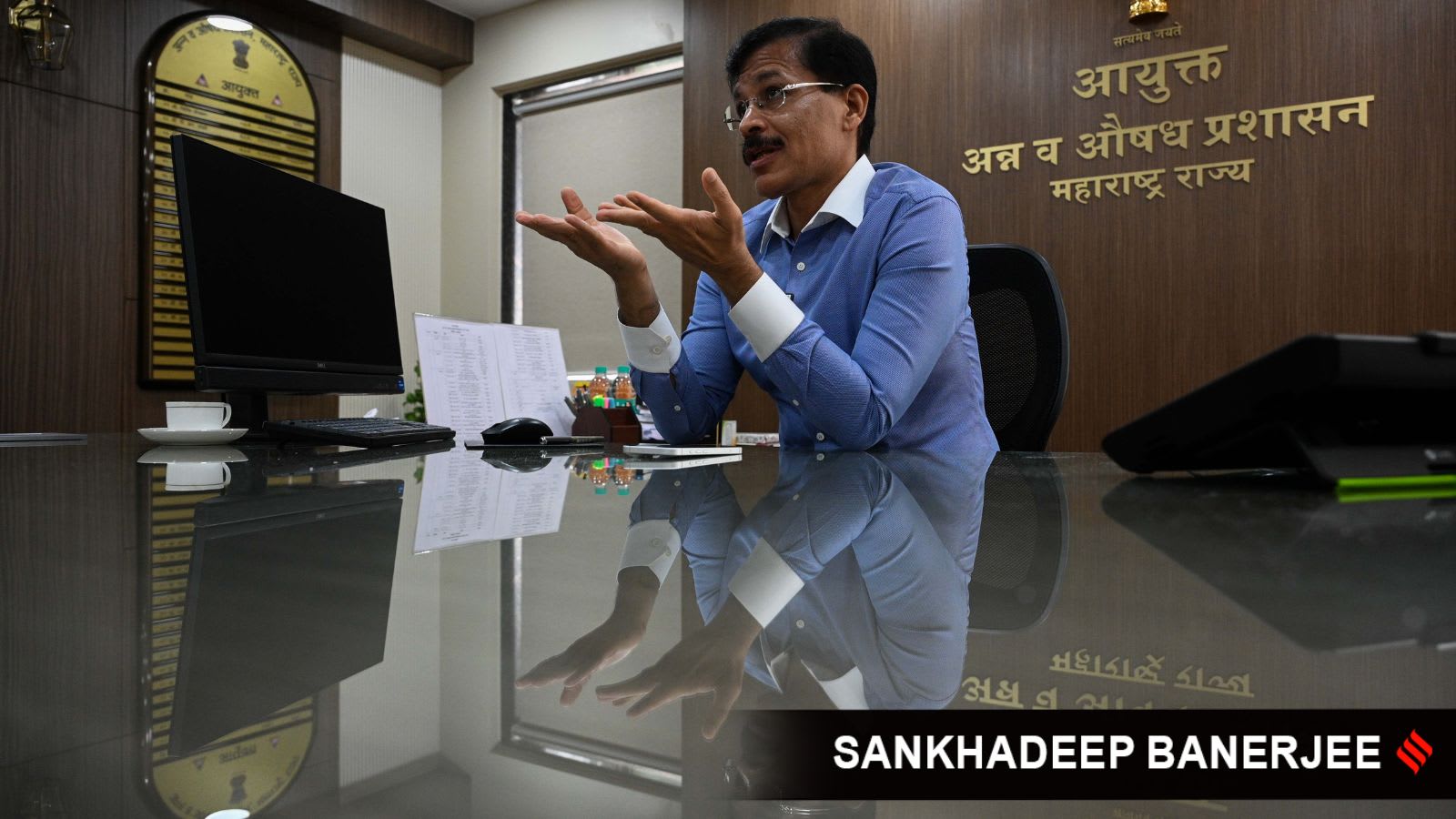
The Maharashtra FDA, led by Tukaram Mundhe, has mandated that all spice powders be sold in pre-packaged, sealed containers to combat adulteration. This statewide directive targets unhygienic production and the use of prohibited colors in various household spices.
Maharashtra FDA Launches Crackdown on Loose Spice Sales
In a significant move to overhaul food safety standards, the Maharashtra Food and Drug Administration (FDA), under the leadership of Commissioner Tukaram Mundhe, has issued a landmark directive aimed at curbing the pervasive issue of spice adulteration. Effective from the October 15 compliance order, the sale of loose or unpacked spice powders—ranging from staples like turmeric and chilli to complex blends like garam masala—is now strictly prohibited across the state.
Addressing Public Health Risks
The primary motivation behind this regulatory shift is the persistent threat of adulteration, which poses substantial risks to consumer health. Loose spices are often susceptible to contamination from prohibited artificial colors, fillers, and unhygienic processing environments. By mandating that these products be packed and sealed at the point of production, the FDA aims to establish a clear chain of custody, ensuring that the integrity of the product remains intact from the manufacturer to the end consumer.
Scope of the Regulatory Order
The scope of this order is extensive, covering a wide array of essential culinary items including coriander, cumin, black pepper, cinnamon, cloves, cardamom, asafoetida, and saffron. This comprehensive list reflects the FDA's intent to eliminate the 'open-market' model for spice distribution, which has historically been difficult to monitor or regulate. Sellers who have traditionally relied on selling bulk, unpackaged spices must now pivot their business models to comply with standardized packaging requirements.
Implications for Production Practices
Beyond just packaging, the directive mandates an overhaul of production practices. The FDA is actively targeting unhygienic manufacturing facilities, signaling that the regulator will no longer tolerate the lack of quality control in small-scale or unregulated spice processing units. This shift forces producers to adopt formalized safety protocols, likely leading to a more professionalized, albeit more expensive, spice industry in Maharashtra.
Future Trends and Enforcement
The state-wide crackdown led by Tukaram Mundhe is a clear indicator of a more aggressive enforcement stance by the Maharashtra FDA. As the state moves toward a more digitized and transparent food safety regime, consumers can expect stricter surveillance of retail markets. This trend suggests that the era of 'loose' food commodities may be coming to an end, with future regulations likely to extend to other powdered ingredients to ensure consistent safety standards across the board.
Conclusion
While the transition may present short-term logistical challenges for small vendors, the long-term implications are overwhelmingly positive for public health. By standardizing the packaging and production of spices, the Maharashtra FDA is taking a decisive step toward eliminating harmful adulterants from the daily diet of millions, effectively setting a new benchmark for food safety compliance in India.