I designed a nose guard for my dog and gave it away. Now 500 dogs wear one
Source Entity
Hacker News
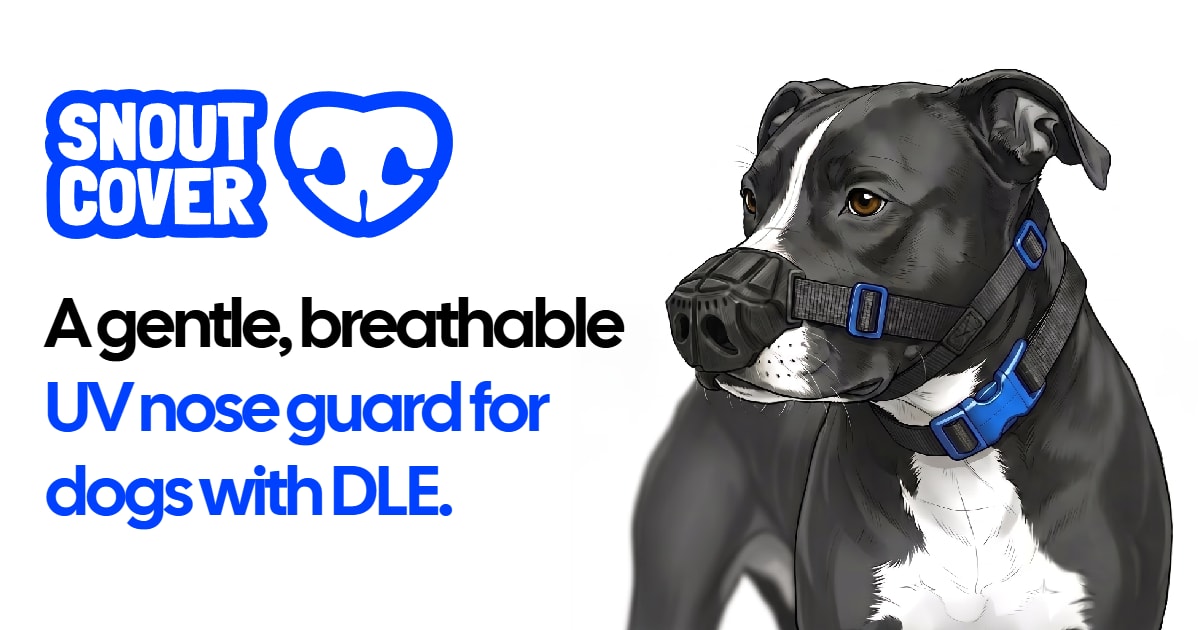
A pet owner developed a protective nose guard for their pitbull, Billie, after a diagnosis of discoid lupus erythematosus (DLE). The invention has since expanded into a community-supported initiative now helping over 500 dogs manage sun-sensitive skin conditions.
From Personal Necessity to Community Impact
The story of Billie, a pitbull diagnosed with discoid lupus erythematosus (DLE), highlights the often-overlooked intersection of veterinary medicine and creative problem-solving. DLE is a challenging autoimmune condition that causes the immune system to attack the skin, particularly on the nose, where ultraviolet (UV) exposure serves as a primary trigger for painful flare-ups. When traditional management—such as frequent topical ointments and strictly limiting outdoor exposure—proved insufficient, the owner sought a more robust physical barrier to protect their companion.
The Engineering of the SnoutCover
The development of the nose guard began not as a commercial venture, but as a desperate attempt to improve a pet's quality of life. By designing a specialized covering, the owner was able to provide Billie with a consistent shield against UV radiation, effectively allowing a sun-loving dog to engage in her favorite activities without risking further skin degradation. This DIY solution addresses a specific clinical gap where topical treatments alone fail to mitigate environmental triggers.
Scaling an Accidental Innovation
What started as a singular, custom-fitted prototype rapidly evolved into an initiative that has now reached over 500 dogs. This growth signifies a high demand for adaptive pet care equipment that goes beyond standard collars or leashes. By transitioning the design from a personal project to a shared resource, the owner has effectively created a support network for other pet owners facing the same chronic, life-long management requirements for DLE and other photosensitive conditions.
The Broader Implications for Pet Healthcare
This case underscores the importance of patient-led innovation in veterinary care. Often, pet owners are the first to identify systemic failures in existing medical tools, leading them to engineer their own solutions. As the population of household pets with chronic autoimmune issues continues to be diagnosed with higher frequency due to better veterinary diagnostics, the need for specialized, non-pharmaceutical interventions like the SnoutCover will likely grow.
Future Trends in Veterinary Adaptive Gear
Looking forward, the success of this nose guard suggests a shifting trend toward personalized, wearable health technology for animals. As communities of owners share their own modifications and designs, we are likely to see more 'open-source' approaches to pet medical equipment. This model of community-driven design ensures that niche medical needs—once ignored by mass-market manufacturers—are addressed through collaborative, real-world testing and iterative improvement.
Conclusion: A Legacy of Care
Ultimately, the journey from Billie’s diagnosis to the distribution of 500 units represents the power of necessity in driving innovation. By focusing on the specific, chronic needs of a dog with DLE, the owner has not only improved their own pet's life but has also established a vital lifeline for hundreds of other canines. This initiative stands as a testament to the fact that effective healthcare management often requires a blend of clinical guidance and creative, individualized care.