Health Minister rules out withdrawal of hospital billing transparency order
Source Entity
India Latest News: Top National Headlines Today & Breaking News | The Hindu
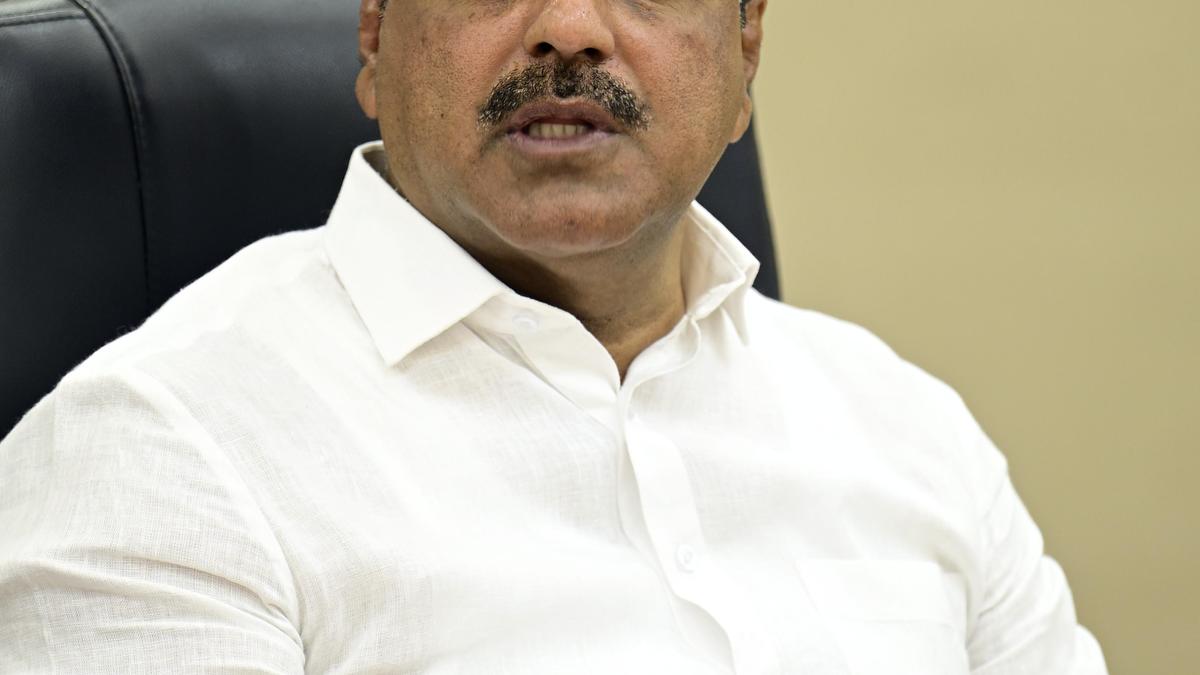
Karnataka Health Minister U.T. Khader has confirmed that the mandate for hospitals to display itemized billing and treatment charges remains in effect. While the disclosure of landing costs awaits a Supreme Court ruling, the government stands firm on transparency for patients.
Transparency in Healthcare: The Karnataka Billing Mandate
Health Minister U.T. Khader has firmly rejected calls to withdraw the directive requiring hospitals to maintain transparent billing practices. The mandate, issued by the Food Safety and Drugs Administration (FSDA), requires hospital pharmacies to provide itemized bills that clearly display both the purchase price and the Maximum Retail Price (MRP) of all medicines, medical devices, and consumables provided to patients.
The Stance of the State Government
The Minister’s decision underscores a growing governmental commitment to curbing exploitative pricing within the medical sector. By insisting on the continued display of treatment charges and itemized costs, the administration aims to empower patients with clearer insights into the financial components of their healthcare. Khader’s refusal to backtrack signals that, despite pressure from industry bodies, the state prioritizes consumer information over the operational convenience of medical retailers.
Legal and Operational Challenges
The Karnataka Pharma Retailers and Distributors Organisation (KPRDO) has formally requested the withdrawal of this circular, citing significant legal and operational hurdles. The industry contention suggests that the disclosure requirements place an undue burden on pharmacy workflows and potentially conflict with existing trade regulations. These groups argue that the complexity of medical supply chains makes the mandated transparency difficult to implement uniformly.
The Supreme Court's Role
A critical component of this dispute involves the 'landing price'—the actual cost at which a hospital procures medical supplies. Minister Khader clarified that the specific requirement to disclose this landing cost is currently sub judice. The government has adopted a cautious approach, acknowledging that the final legal obligation for hospitals to reveal these wholesale purchase prices will remain contingent upon the pending Supreme Court order.
Broader Implications for Healthcare Reform
This conflict highlights the broader tension between pharmaceutical retail interests and the public's right to affordable, transparent healthcare. Historically, the lack of itemized billing has been a major source of grievance for patients, who often face exorbitant markups on essential consumables. By forcing hospitals to show the delta between purchase price and MRP, the government is attempting to introduce market-based accountability into a sector often criticized for opacity.
Future Trends in Medical Regulation
Looking ahead, the outcome of the Supreme Court ruling will likely serve as a landmark precedent for medical billing practices across India. If the court upholds the mandate for landing-price disclosure, it could trigger a nationwide shift toward more rigorous price controls in hospital pharmacies. Conversely, a ruling in favor of the retailers would force state governments to rethink their regulatory strategies to ensure that patients are not shielded from the true cost of their treatment.
Conclusion
In summary, while the Karnataka government remains steadfast in its support for patient transparency, the full scope of these reforms is currently tethered to the judiciary. The ongoing dialogue between the FSDA and the KPRDO represents a critical chapter in the evolution of healthcare consumer rights in India, balancing the operational realities of the pharmaceutical industry against the urgent need for equitable medical pricing.
Verification Required?