Less wait time, more scans each day: Delhi’s LNJP Hospital gets new MRI machine, CT scans
Source Entity
Tabshir Shams
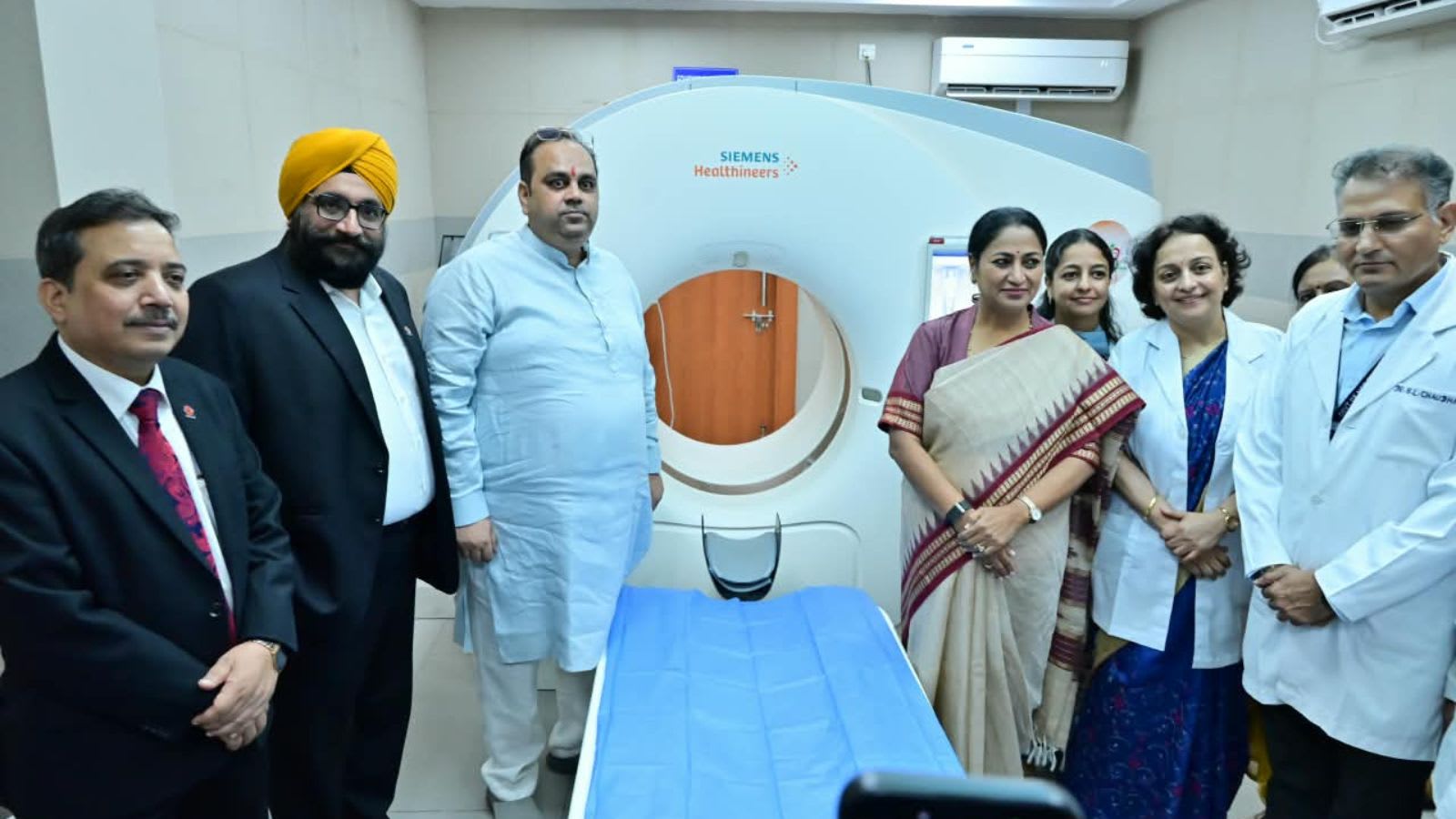
Delhi’s LNJP Hospital has installed a high-end 3-Tesla MRI and a 256-slice CT scanner to address severe diagnostic backlogs. This upgrade aims to drastically reduce patient wait times that previously spanned up to three years.
Enhancing Diagnostic Capacity at LNJP Hospital
Delhi’s Lok Nayak Hospital (LNJP), the city's largest government-run medical facility, has taken a critical step toward improving patient care by commissioning advanced diagnostic machinery. For years, the hospital has struggled with a crushing backlog of patients requiring imaging, with wait times for MRI scans stretching to an alarming two to three years. This infrastructure upgrade, featuring a state-of-the-art 3-Tesla MRI machine and a 256-slice dual-source CT scanner, is designed to modernize the hospital’s diagnostic capabilities.
The Crisis of Diagnostic Delays
The necessity for this upgrade stems from the sheer volume of patients visiting the facility. With an average daily footfall of 5,000 OPD patients, the hospital was previously operating with only one functional MRI and one CT scanner. As reported in September, this bottleneck created a precarious situation where patients, despite having access to free medical services, faced life-altering delays in diagnosis and subsequent treatment. The scarcity of machinery, compounded by staffing shortages, transformed routine scans into long-term hurdles for the capital's most vulnerable populations.
Impact of Advanced Technology
The introduction of a 3-Tesla MRI is a significant leap forward in medical imaging technology. Compared to standard machines, 3-Tesla scanners provide higher resolution images, allowing for more precise diagnoses in neurology, oncology, and cardiology. Similarly, the 256-slice dual-source CT scanner will drastically increase the speed of scans, allowing the hospital to process a much higher volume of patients every day. By reducing the time required for each procedure, the hospital can effectively clear the massive backlog that has plagued its diagnostic wing.
Broader Implications for Public Health
This development highlights the ongoing struggle within public health systems to keep pace with rapid urbanization and rising demand. When a premier institution like LNJP experiences a multi-year wait time, it underscores the systemic pressure on government healthcare. By investing in high-capacity equipment, the administration is moving toward a model of 'high-throughput' diagnostics, which is essential for ensuring that free healthcare remains accessible and efficient for the general public.
Future Outlook and Sustainability
While the installation of these machines is a major victory for patient care, the long-term success of this initiative will depend on consistent maintenance and human resource management. As the hospital scales its operations to handle more scans per day, the focus must shift to ensuring that the technical staff is adequately supported to operate this advanced equipment. If managed correctly, these upgrades will serve as a blueprint for other government hospitals in India, demonstrating how targeted infrastructure investment can solve chronic service delivery issues and restore public faith in the state-run medical framework.