Maharashtra Government orders high-level probe into Pune building collapse
Source Entity
Manoj Dattatrye More
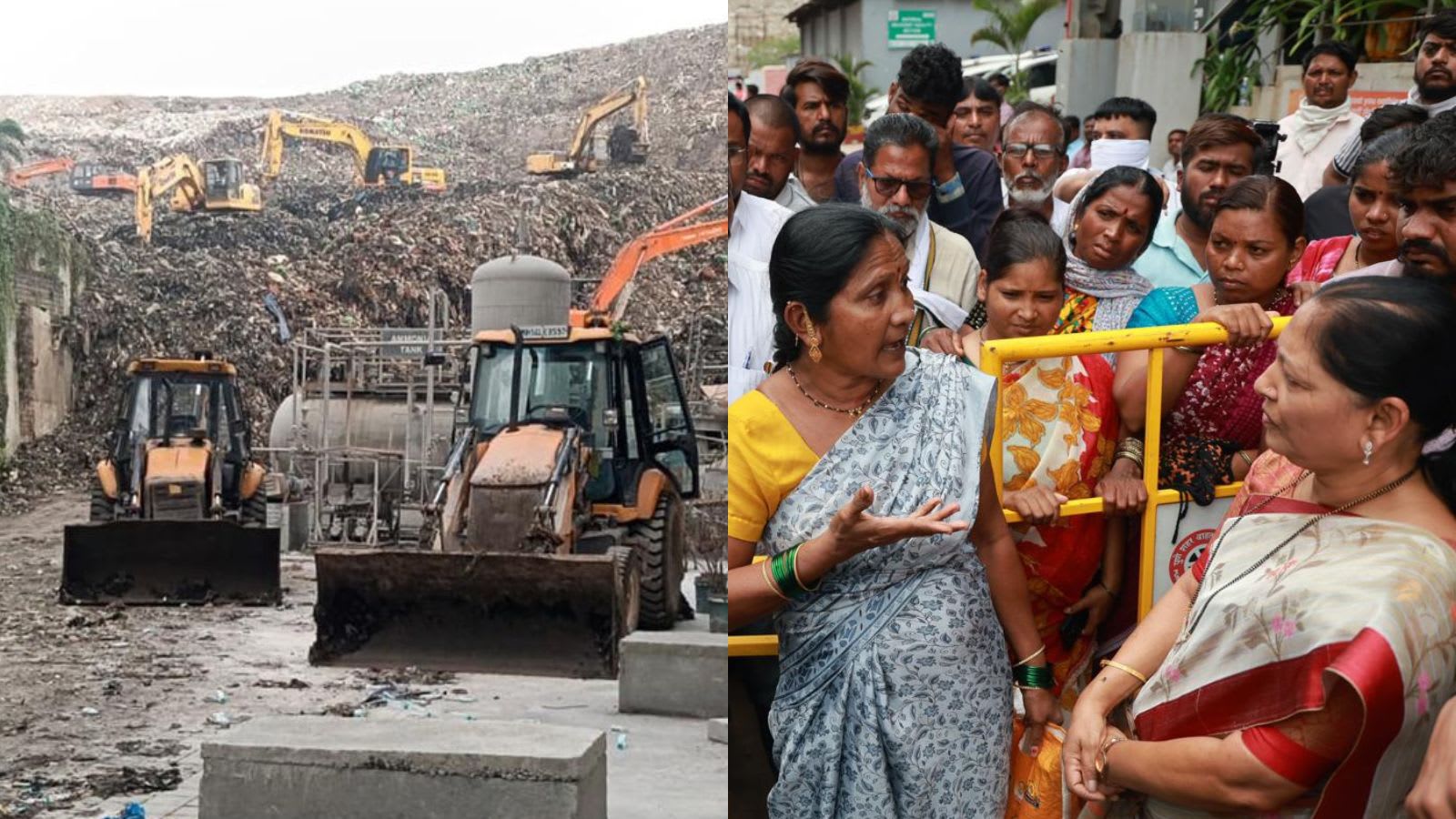
Relatives of the people trapped at the site of the accident caused by the collapse of a garbage heap in Moshi, Pimpri-Chinchwad, had gathered in large numbers, due to which there was a tense atmospher...
Tragedy in Moshi: Analyzing the Pimpri-Chinchwad Garbage Heap Collapse
The recent collapse of a massive garbage heap in Moshi, located within the Pimpri-Chinchwad municipal limits of Pune, has evolved from a local accident into a significant administrative crisis. The incident, which left several individuals trapped beneath debris, immediately triggered a high-stakes rescue operation and a subsequent surge of emotional distress among the victims' families. The Maharashtra government's swift decision to order a high-level probe suggests that the state recognizes the potential for systemic negligence and the urgent need for accountability in urban waste management.
Immediate Crisis and Public Unrest
At the heart of the incident is the chaotic scene in Moshi, where the sudden collapse of the waste mound created a perilous environment for both the trapped victims and the first responders. The report highlights a "tense atmosphere" caused by the gathering of large numbers of relatives. This reaction is typical in high-stress disaster scenarios where the lack of immediate communication from authorities can lead to public frustration and unrest. The instability of the site likely hampered rescue efforts, as garbage heaps are notoriously unpredictable, prone to secondary slides, and often contain hazardous materials that complicate extraction processes.
The Implications of a High-Level Probe
By ordering a "high-level probe," the Maharashtra government is signaling that this event will not be treated as a mere accident. Such investigations typically scrutinize the chain of command within the municipal corporation and the contractors responsible for waste management. The probe will likely focus on whether the height of the garbage heap exceeded safety limits, whether there was any illegal construction or activity occurring on or near the site, and if the municipal authorities ignored previous warnings regarding the stability of the landfill. This administrative scrutiny is crucial for determining if there was a failure in the duty of care owed to the citizens and workers in the area.
Urbanization and the Danger of 'Garbage Mountains'
This tragedy underscores a broader, more systemic issue facing rapidly industrializing hubs like Pimpri-Chinchwad. As urban centers expand, the volume of waste generated often outpaces the capacity for scientific disposal. The result is the creation of "garbage mountains"—unstable piles of mixed waste that lack the structural integrity of engineered landfills. These sites are particularly dangerous during monsoon seasons or when the base becomes saturated, leading to catastrophic slope failures. The Moshi incident is a stark reminder that improper waste management is not just an environmental concern but a critical public safety hazard.
Governance and Regulatory Lapses
From a regulatory perspective, the collapse points to a potential lapse in the implementation of Solid Waste Management (SWM) Rules. Standard protocols require the monitoring of landfill heights and the implementation of slope stabilization techniques. If these were ignored in Moshi, it indicates a failure of oversight by the local urban body. The tension on the ground reflects a deeper mistrust in local governance, where the prioritization of rapid urban growth often comes at the expense of safety audits and the maintenance of critical infrastructure, including waste disposal sites.
Future Trends in Waste Management and Safety
Looking forward, this incident is likely to catalyze a shift toward more sustainable and scientific waste management practices in the Pune region. We can expect a push toward "biomining" to clear legacy waste and the adoption of decentralized waste processing to reduce the reliance on massive, unstable landfills. Furthermore, the outcome of the high-level probe may lead to the introduction of stricter penalties for municipal officials who fail to maintain safety standards at dumping sites. The government will be under pressure to map all such high-risk waste sites across the state to prevent similar tragedies.
Conclusion
In conclusion, the Moshi garbage heap collapse is a sobering example of the hidden costs of unplanned urban expansion. While the immediate focus remains on the rescue and the government's investigation, the long-term solution lies in a complete overhaul of how Pimpri-Chinchwad handles its waste. The high-level probe must not only identify the individuals responsible but also address the structural failures in urban planning that allowed such a dangerous situation to exist in the first place.