Minister asks collector to meet villagers about Adani Green Energy project impact
Source Entity
Chandan Haygunde
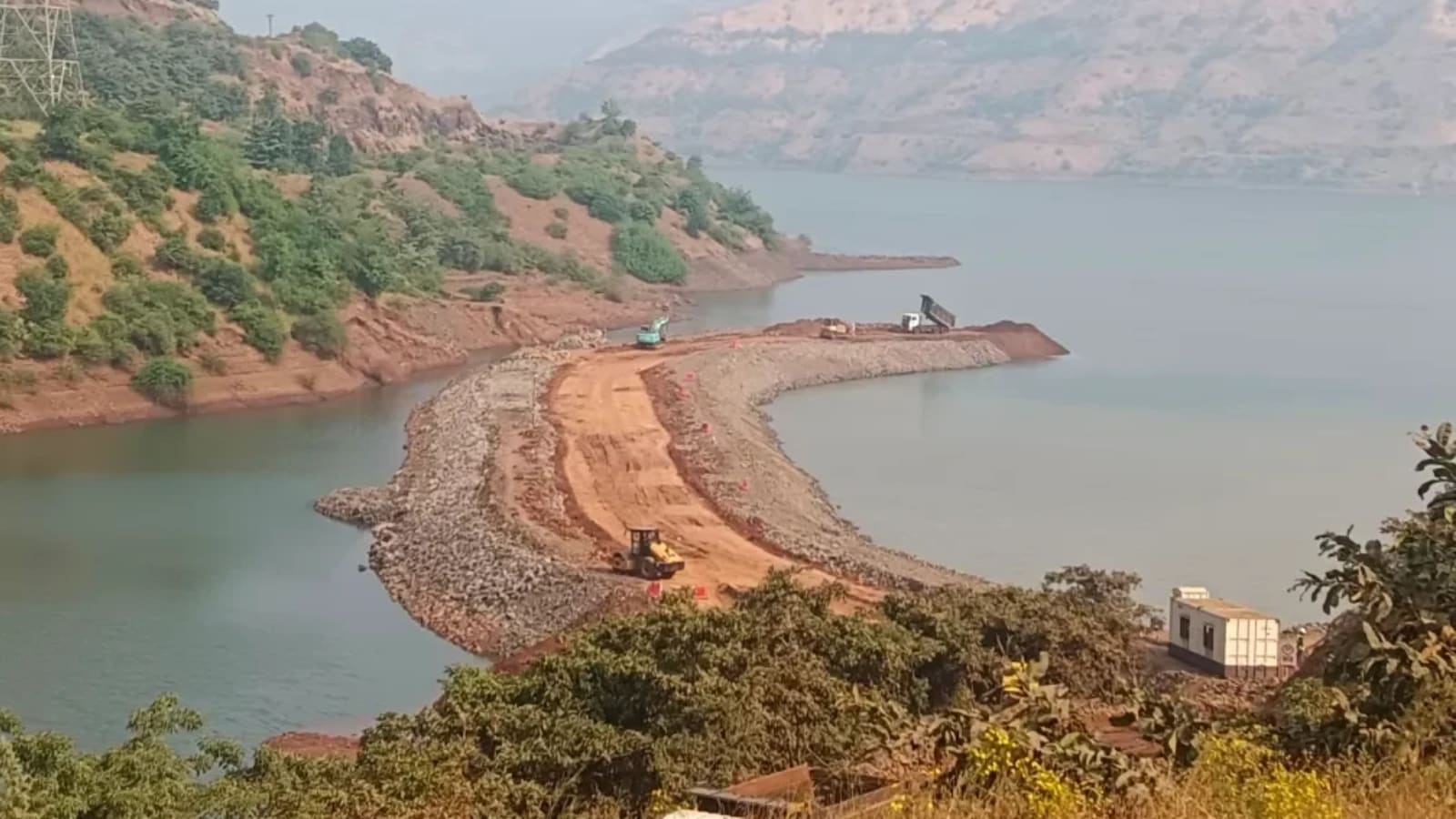
Maharashtra ministers have intervened in the Adani Green Energy Tarali Pump Storage Project following local complaints and environmental compliance concerns. Authorities have ordered a review of water impact and halted work due to lack of wildlife board approvals.
Government Intervention in Satara's Renewable Projects
Recent developments in Maharashtra’s Satara district have brought the Adani Green Energy Limited’s 1,500-megawatt Tarali Pump Storage Project (PSP) under intense administrative scrutiny. Shambhuraj Desai, the Minister for Tourism, Mining, and Ex-Servicemen Welfare, has mandated that the Satara District Collector convene a review meeting on November 20. This directive, communicated via a letter from his Officer on Special Duty (OSD) on November 16, specifically targets grievances raised by villagers in Dafarwadi, Kenjalwadi, and Kalambe regarding the potential impact of the project on local water sources.
Environmental Compliance and Regulatory Hurdles
The project faces significant regulatory hurdles beyond local water concerns. The Maharashtra Forest Department recently issued an order mandating an immediate cessation of work at the Tarali site. This intervention stems from allegations that the project commenced without the mandatory approval from the National Board for Wildlife (NBWL). This procedural oversight has triggered a broader conversation regarding the balance between the urgent need for renewable energy infrastructure and the stringent requirements of environmental and wildlife conservation laws in sensitive regions like Patan taluka.
The Role of Ministerial Oversight
Following the stop-work order, Forest Minister Ganesh Naik convened a meeting with Adani Group executives to address these compliance gaps. The minister’s directive was clear: the company must adhere strictly to all legal obligations and regulatory frameworks governing such large-scale energy projects. By requiring the firm to reconcile its operational practices with state and national regulations, the government is signaling a shift toward more rigorous oversight of infrastructure development in protected areas.
Broader Implications for Renewable Energy
The situation in Satara highlights the complex intersection of industrial development and local livelihood protection. Pumped storage projects are vital for India’s goal of achieving energy security through grid balancing and renewable storage. However, the friction between project developers and local communities—specifically regarding water rights—underscores the necessity for transparent social impact assessments. The government’s intervention demonstrates the state's intent to mitigate public discontent while ensuring that environmental mandates are not bypassed during the rapid expansion of the green energy sector.
Future Trends and Administrative Accountability
Moving forward, the outcome of the November 20 review meeting will likely set a precedent for how future infrastructure projects in Maharashtra are managed. If the Adani Group is required to address water scarcity concerns and rectify the wildlife approval lapses, it may lead to more standardized compliance protocols for renewable energy firms. The active involvement of the district administration and cabinet ministers suggests a trend toward increased accountability, ensuring that large-scale energy initiatives remain aligned with both ecological sustainability and the socio-economic rights of the local population.