Month after Maharashtra TET paper leak, Mumbai’s mastermind still missing as CJP protests keep the heat on
Source Entity
Mohamed Thaver, Pallavi Smart
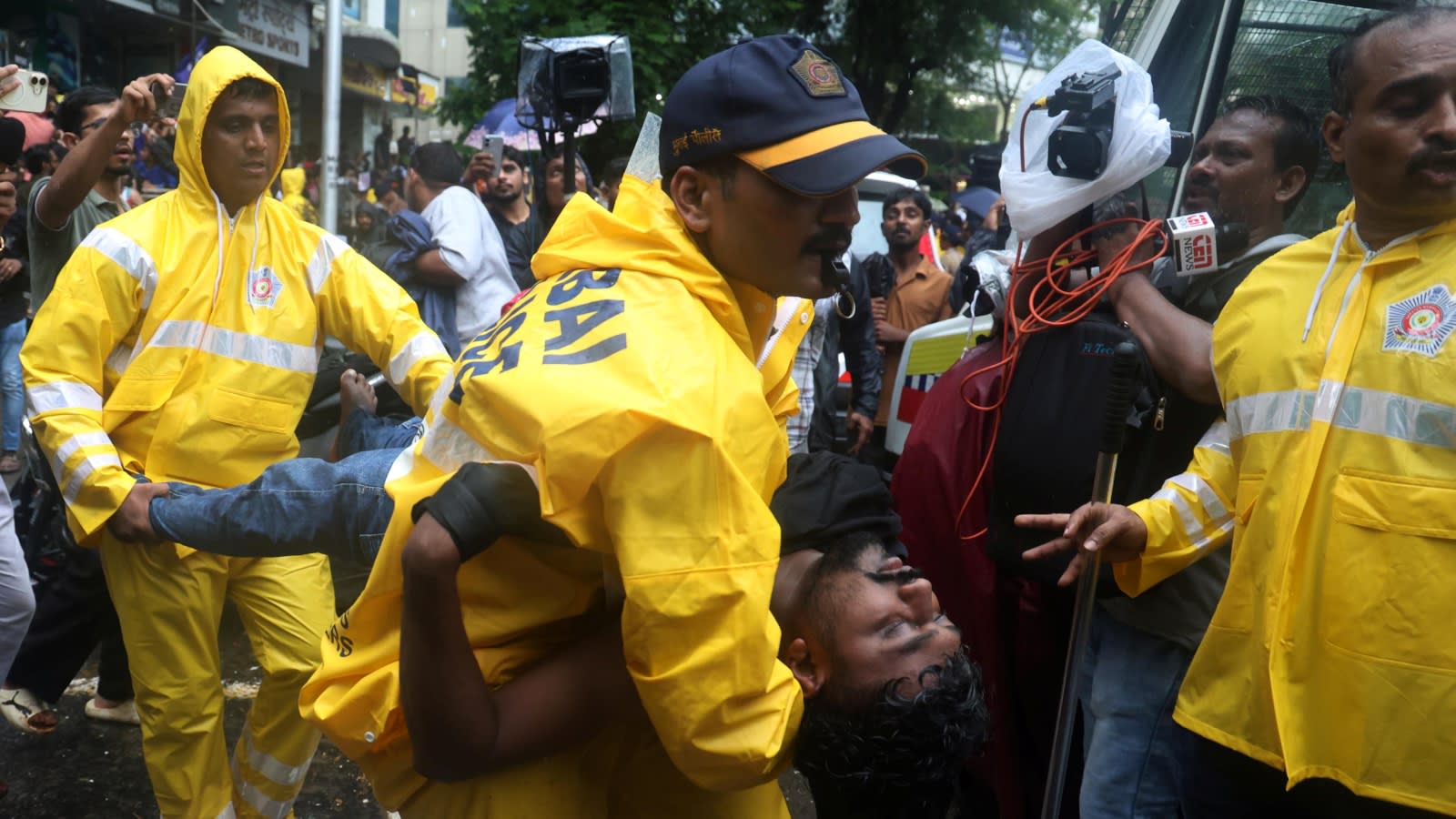
The Maharashtra Teacher Eligibility Test (TET) scandal has sparked intense protests in Mumbai, led by the CJP. Demonstrators are utilizing modern methods, including quick-commerce deliveries, to sustain their movement while calling for government accountability.
The Maharashtra TET Crisis: A Convergence of Scandal and Civil Disobedience
The state of Maharashtra currently finds itself embroiled in a significant educational crisis following a major breach in the Teacher Eligibility Test (TET) examination. A month after the question paper leak was exposed, the situation has evolved into a persistent flashpoint for civil unrest. With nearly six lakh aspirants left in limbo without a rescheduled exam date, the frustration among the youth has reached a boiling point, manifesting in organized protests across Mumbai.
The Search for Accountability and the Mastermind
The investigation into the paper leak has seen the arrest of 12 individuals; however, the primary architect remains at large. Bijendra Gupta, a former coaching class educator with a history of involvement in similar examination irregularities, is the suspected mastermind. Authorities believe Gupta may have fled the country, a detail that further exacerbates the sense of injustice felt by the thousands of students whose professional futures are currently suspended. This lack of closure has fueled calls for the resignation of School Education Minister Dada Bhuse, as protesters demand greater ministerial accountability for the systemic failures that allowed the breach to occur.
The Rise of the CJP Protests
The Cockroach Janta Party (CJP) has emerged as the central organization driving these demonstrations. These protests have become symbolic of a broader national trend of student-led resistance against examination irregularities. The movement is characterized by a high level of individual commitment, exemplified by incidents like that of Rhiya Ahir. Her 40-minute standoff with a police van in Dadar, captured in a viral image, serves as a poignant reminder of the personal risks protesters are willing to take to amplify their voices against state inertia.
Modernizing Dissent: The Quick-Commerce Phenomenon
Perhaps the most unique aspect of the CJP protests is the integration of modern technology into the fabric of civil disobedience. A viral video recently highlighted a participant utilizing the quick-commerce platform Blinkit to have protest posters delivered directly to the demonstration site. This 'new age protest' method demonstrates how digital infrastructure is being repurposed by activists to sustain long-term engagement. While this has sparked debate regarding the nature of modern activism, it underscores the logistical ingenuity of the participants.
Broader Implications and Future Trends
The intersection of the TET paper leak and these innovative protest methods suggests that the future of civil movements in India will be increasingly defined by digital-physical integration. As the state struggles to manage the fallout of the exam failure, the CJP movement signifies a shift toward more persistent, tech-savvy, and visible public dissent. Unless the government provides a clear timeline for the examination process and addresses the security vulnerabilities that allowed Bijendra Gupta to operate, these protests are likely to continue, setting a precedent for how future student grievances will be articulated in urban centers like Mumbai.
Multiple Citing Sources