Governance crisis deepens at Mahatma Gandhi University in Kerala as Syndicate remains non-functional
Source Entity
India Latest News: Top National Headlines Today & Breaking News | The Hindu
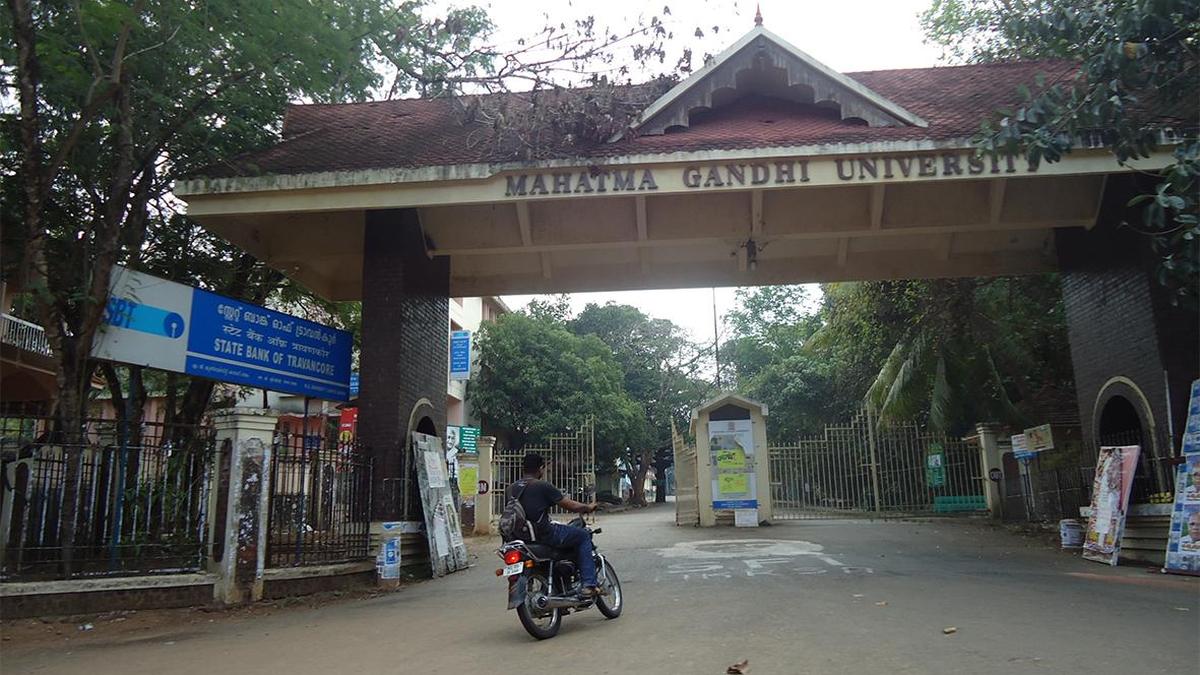
The Kerala government has reconstituted the Mahatma Gandhi University Syndicate following a two-month administrative paralysis. This move ends a period where critical student files and academic decisions were stalled due to the lack of a functional governing body.
Administrative Stagnation at Mahatma Gandhi University
The recent administrative paralysis at Mahatma Gandhi University (MGU) serves as a stark reminder of how political transitions can inadvertently cripple essential educational infrastructure. For over two months, the university’s highest executive body, the Syndicate, remained non-functional, leading to a significant backlog of files and stalled decision-making processes. This governance vacuum left hundreds of students in limbo, as matters requiring formal approval could not be addressed in the absence of a quorum or a properly constituted panel.
The Mechanics of the Crisis
Under the university statutes, the Syndicate is mandated to meet at least once every two months to ensure the smooth operation of academic and administrative machinery. However, the hiatus extended beyond this regulatory window, with the last regular meeting occurring on May 20. While a special session was convened on May 25 to finalize the conferment of honorary D.Litt. degrees—notably including actor Mammootty—the subsequent inability to conduct regular business meant that daily operations, such as degree processing and policy implementation, were effectively frozen.
Political Implications and Discontent
The delay in reconstituting the Syndicate was not merely a bureaucratic oversight; it became a point of contention within the university’s pro-UDF (United Democratic Front) factions. The prolonged transition period following the new government’s assumption of office created a vacuum that hindered the university's ability to pivot toward new academic goals. The frustration expressed by faculty and student representatives highlighted a broader issue: the vulnerability of academic institutions to shifts in political administration, where the delay in appointing key governing members can directly impede student outcomes.
The Path to Reconstitution
To address this crisis, the Kerala government has finally unveiled a 15-member reconstituted Syndicate. The new panel is structured to include diverse stakeholders, featuring Muvattupuzha MLA Mathew Kuzhalnadan and eight representatives from the higher education sector, including a woman member. By incorporating college teachers, principals, and research scholars into the governing body, the government aims to restore institutional stability and address the backlog of pending files that had accumulated during the two-month standstill.
Future Outlook and Institutional Resilience
The reconstitution of the Syndicate is expected to act as a circuit breaker for the current administrative logjam. Moving forward, the university must prioritize the clearing of the existing file backlog to mitigate the impact on students. This episode underscores the urgent need for robust governance protocols that ensure continuity during political transitions, preventing the educational interests of the student body from being held hostage by delays in executive appointments. As the new Syndicate takes charge, the university's focus must remain on restoring its academic schedule and ensuring that statutory requirements for governance are strictly upheld.
Verification Required?