Tariff refunds are hitting retailers' wallets. Here's what they're doing with the money.
Source Entity
Yahoo Finance
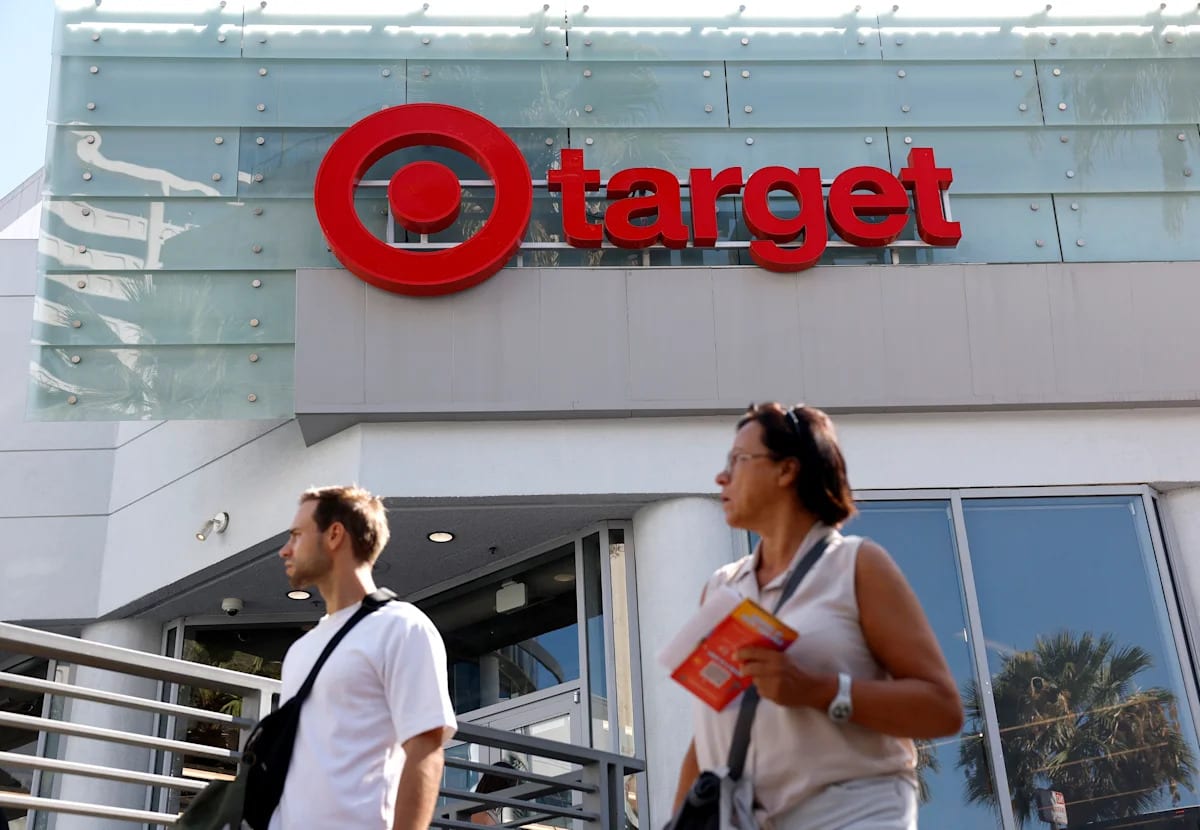
Major U.S. retailers are receiving billions in tariff refunds following a Supreme Court ruling against Trump-era levies. These companies are currently navigating public pressure to pass these savings back to consumers instead of retaining them as corporate profit.
The Great Tariff Refund: Corporate Windfall or Consumer Recovery?
Following a landmark Supreme Court decision that invalidated certain tariff levies imposed during the Donald Trump administration, the federal government has been tasked with returning vast sums of capital to the private sector. As of late July, more than $100 billion has been returned to businesses, triggering a complex debate regarding the responsibility of these corporations to their customer base. This influx of capital represents a significant shift in corporate balance sheets, moving from a period of tariff-induced cost burdens to a moment of unexpected liquidity.
The Corporate Dilemma: Profit Margins vs. Public Perception
Retail giants such as Amazon, Target, and Walmart are currently the primary recipients of these federal refunds. The core of the issue lies in how these billions are utilized. While some firms have opted to use the funds to bolster their operating margins and offset the previous financial strain caused by the levies, others are exploring more consumer-facing strategies. This divergence in corporate behavior highlights the tension between maximizing shareholder value and maintaining brand loyalty in an era of heightened economic scrutiny.
Consumer Expectations and the Price Gap
There is a prevailing sentiment among consumers that they were the ultimate bearers of the tariff costs, as retailers frequently passed these expenses down through higher retail prices. David Silverman of Fitch Ratings has identified this as a critical "predicament" for these businesses. The public perception that retailers are holding onto money that was essentially collected from them creates a reputational risk. If companies fail to pass these refunds on through price reductions or improved service, they risk alienating the very demographic that sustained them during the tariff implementation period.
Strategic Allocation: Marketing, Pricing, and Beyond
Retailers are deploying the refund capital in varied ways. While a few have committed to direct returns to customers, others are opting for indirect benefits such as increased marketing expenditures or price-cutting strategies designed to drive volume. These decisions are not merely financial; they are strategic maneuvers aimed at navigating a competitive landscape where value-driven shopping has become the norm. The effectiveness of these strategies will likely determine long-term market share for these major players.
Looking Ahead: The Future of Trade-Related Windfalls
As the remainder of the $100 billion-plus refund program continues to distribute, the broader economic impact remains to be seen. If these funds are reinvested heavily into price competition, we may see a temporary cooling of inflationary pressures in the retail sector. However, if the funds are primarily absorbed into corporate balance sheets as profit, the political pressure for regulatory oversight into how such windfalls are handled will likely intensify. The outcome of this situation will serve as a case study for future trade policy and the mechanics of corporate fiscal responsibility.
Multiple Citing Sources