Making adaptation finance deliver for India’s frontlines
Source Entity
Latest News: Todays Latest News Headlines from India & World | Hindustan Times
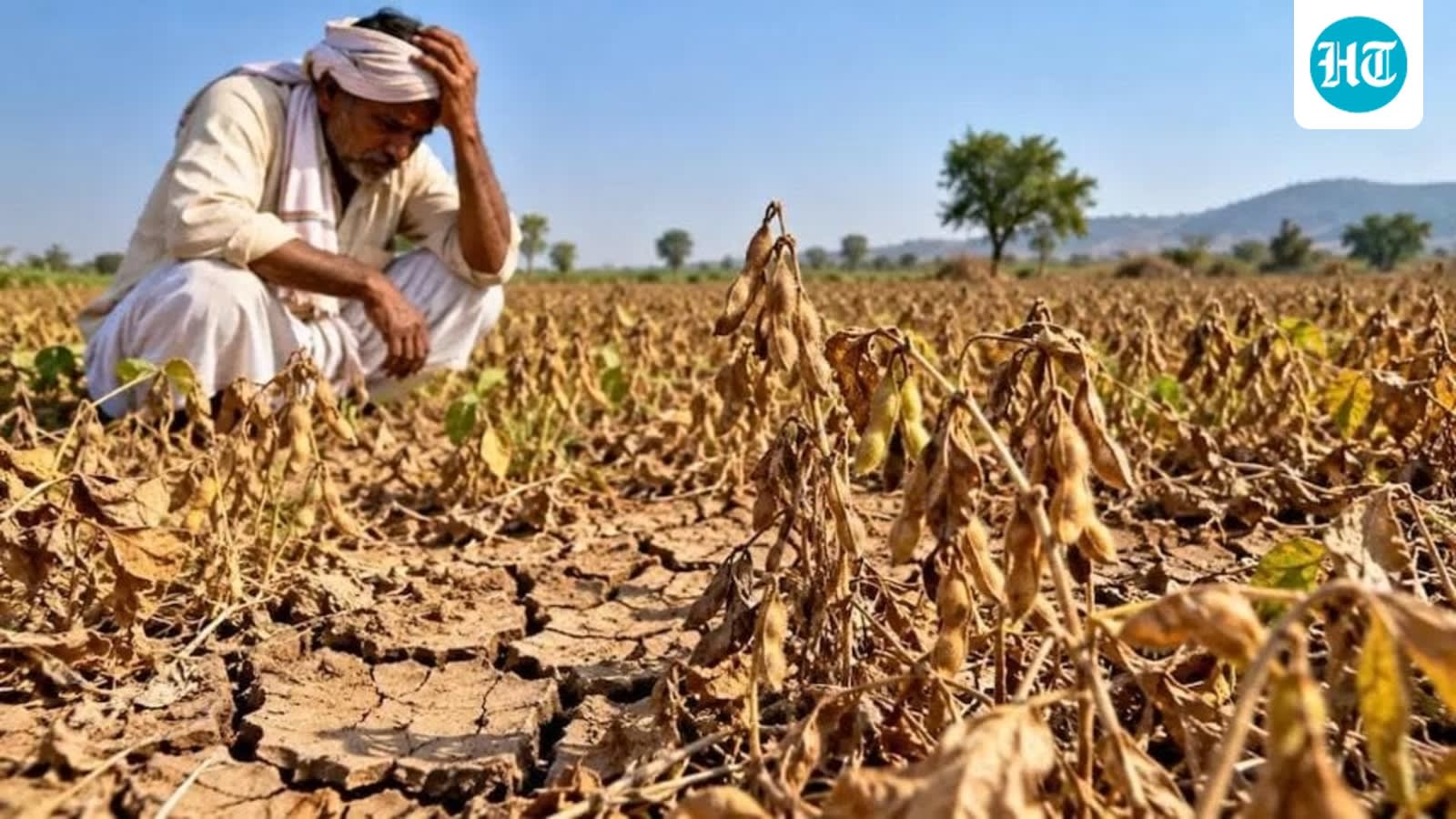
Climate finance must shift focus from large-scale mitigation to localized adaptation to protect India's vulnerable rural and forest-dependent communities. Experts emphasize that bridging the gap between global funding and frontline needs is essential for long-term economic stability.
Bridging the Gap: Climate Finance for India's Frontlines
Climate change represents an existential threat to India’s rural and forest-dependent populations, where the impacts are felt not as abstract policy challenges, but as immediate economic crises. As highlighted by experts Amit Kumar Thakur and Dipankar Saharia from TERI, the intersection of failed monsoons, water scarcity, and diminishing forest produce creates a cycle of debt and lost income that threatens the very fabric of agrarian society. This localized vulnerability underscores the urgent need for a paradigm shift in how climate finance is conceptualized and deployed.
The Imbalance in Climate Funding
Currently, the global climate finance landscape is heavily skewed toward mitigation efforts. Investment flows are disproportionately directed toward large-scale energy transitions, massive infrastructure projects, and technological innovations aimed at reducing carbon emissions. While these projects are vital for global temperature goals, they often fail to address the immediate, frontline needs of communities currently grappling with climate-induced disasters. This systemic imbalance leaves the most vulnerable populations without the necessary resources to adapt to the environmental realities they face today.
Moving Toward COP31
As the international community prepares for COP31 in Antalya, the discourse must pivot from merely mobilizing capital to ensuring the equitable distribution of that capital. The current model of decision-making remains too distant from the ground level, often resulting in funding that does not reach the villages, farmers, and forest-dwellers who are on the frontlines of climate volatility. Ensuring that adaptation finance is accessible and tailored to local needs is the defining challenge for policymakers in the lead-up to the summit.
Economic Implications for Rural India
For India, the economic implications of inaction are profound. When a season’s income is eroded by climate events, the resulting debt burden can trap entire communities in poverty for generations. Adaptation finance is not merely a humanitarian gesture; it is an economic necessity. By investing in resilient water management, climate-smart agriculture, and sustainable forest management, stakeholders can protect the livelihoods that support a significant portion of the Indian population, thereby stabilizing rural economies against future shocks.
Future Trends and Strategic Needs
Looking ahead, the shift toward localized adaptation strategies will likely become a cornerstone of climate policy. Future trends suggest that successful adaptation programs will rely on decentralized finance models that empower local authorities and community organizations to manage resources directly. By integrating scientific data on climate risk with traditional ecological knowledge, India can build a robust framework that transforms climate finance from a distant, macro-level concept into a tangible, life-saving tool for its most vulnerable citizens.
Conclusion
In summary, the path forward requires a deliberate reallocation of priorities. If the global community is to achieve meaningful climate justice, it must honor the urgency of adaptation as much as it prioritizes mitigation. By focusing on the frontlines of India’s rural and forest-dependent regions, the international climate finance architecture can finally begin to deliver results where they are needed most, ensuring that the burden of climate change does not fall solely on those least equipped to bear it.
Verification Required?