Ancient spice route may have shaped Keralam’s Malabari goat’s genetic legacy, study shows
Source Entity
India Latest News: Top National Headlines Today & Breaking News | The Hindu
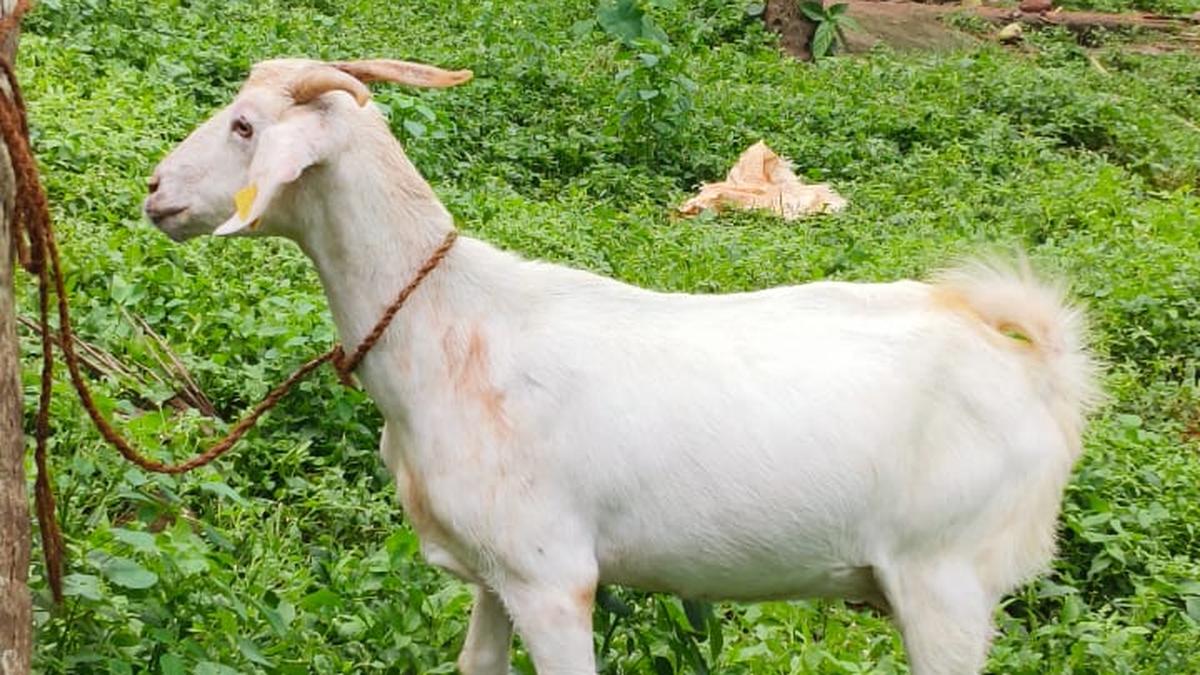
Researchers have sequenced the first complete mitochondrial genome of Kerala's Malabari goat. The study suggests that historic Indian Ocean trade routes influenced the breed's genetic lineage by facilitating movement from the Arabian Peninsula.
Unlocking the Genetic History of the Malabari Goat
Recent scientific breakthroughs led by researchers at the Kerala Veterinary and Animal Sciences University (KVASU) have shed light on the ancestral origins of one of Keralam’s most iconic livestock breeds, the Malabari goat. By successfully sequencing the first complete mitochondrial genome of this breed, scientists have moved beyond traditional phenotypic observations to uncover a deeper, molecular-level narrative that links the animal's development to the ancient maritime history of the Malabar Coast.
The Intersection of Trade and Biology
The findings, published in the peer-reviewed journal Mammalian Genome, provide compelling evidence that the Malabari goat’s lineage is intrinsically tied to the historic Indian Ocean Spice Route. This maritime network, which historically connected the Malabar region with western India and the Arabian Peninsula, served as a conduit for more than just commodities like pepper and cardamom. The genetic data suggests that these trade routes acted as biological corridors, facilitating the movement of livestock that eventually integrated into the local population.
Historical Context of the Malabar Coast
For centuries, the Malabar Coast stood as a central hub in global maritime trade, attracting merchants from across the globe. This geographic positioning made it a melting pot of cultures and biological diversity. The study highlights that the Malabari goat, native to South Malabar, likely benefitted from this influx of genetic material. By examining the mitochondrial genome—which is passed down through maternal lines—researchers have traced a legacy that mirrors the human-driven expansion of trade networks across the Indian Ocean.
Adaptation and Resilience
The Malabari goat is highly regarded for its utility, providing essential meat and milk to the local population. Beyond its economic value, the breed is celebrated for its physiological resilience, as it thrives in the hot and humid conditions characteristic of Keralam’s climate. Understanding the genetic foundations of this hardiness is not merely an academic exercise; it provides essential data for conservationists and agricultural scientists working to preserve indigenous livestock breeds in the face of climate change.
Future Implications for Livestock Science
This study sets a new precedent for how researchers can utilize genomic data to reconstruct historical human-animal interactions. By linking the Malabari goat’s genetic markers to specific trade routes, the researchers have opened the door for further studies on other indigenous species in the region. Future research will likely focus on how these ancient genetic inputs contribute to the specific traits that make the Malabari goat so well-adapted to its environment, potentially informing future breeding programs.
Conclusion
In summary, the KVASU study represents a significant milestone in agricultural genetics and historical research. It confirms that the cultural legacy of Keralam’s spice trade is mirrored in the very biology of its livestock. By bridging the gap between ancient maritime history and modern molecular biology, this research provides a comprehensive understanding of how global trade networks have shaped the biodiversity of the Indian subcontinent.
Verification Required?