Stones, eggs thrown at car of Mamata camp’s Trinamool MLA Kunal Ghosh
Source Entity
The Indian Express
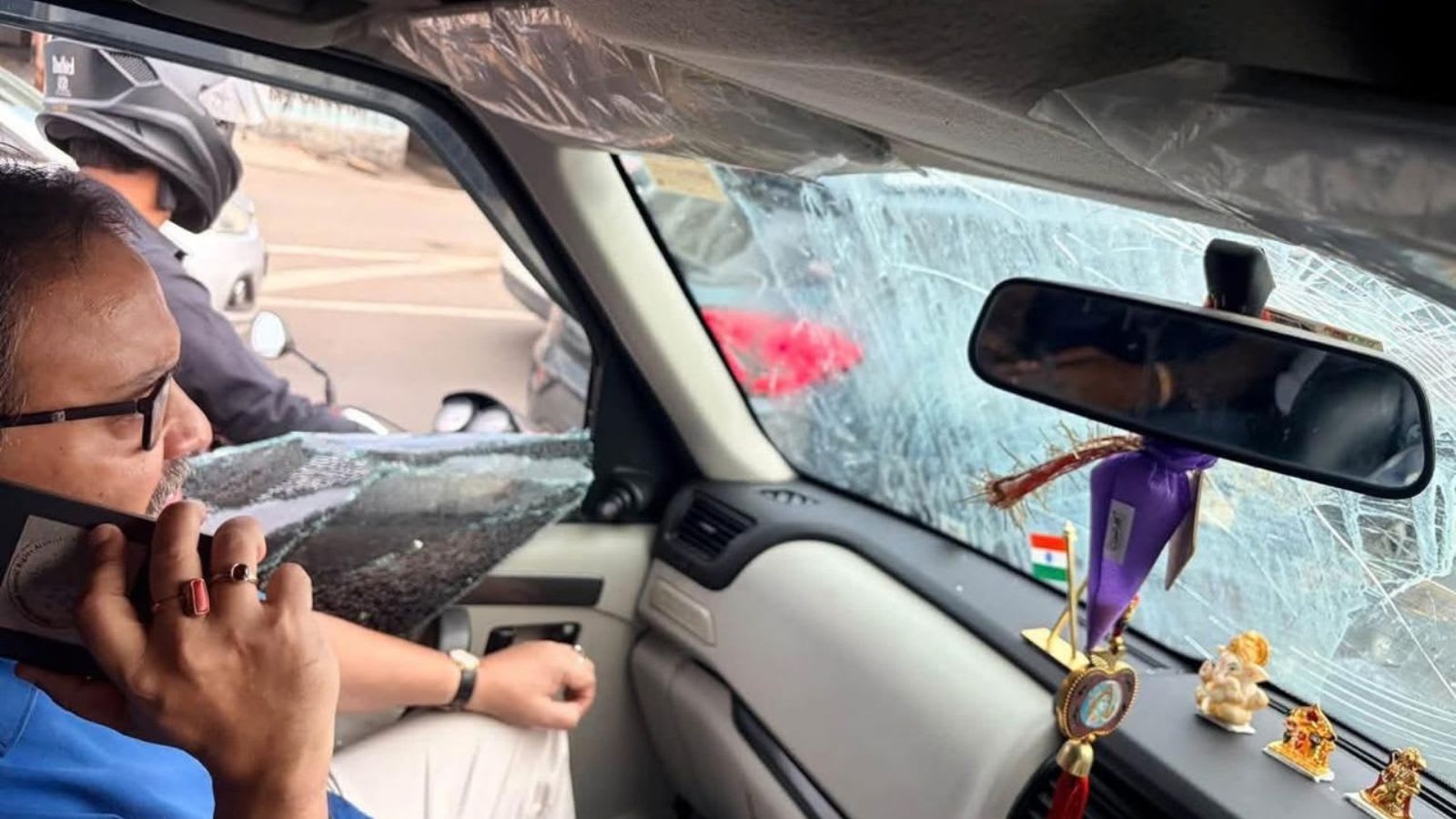
West Bengal CM Mamata Banerjee alleged a 'house arrest' of TMC leaders following violent protests against MLA Kunal Ghosh. Ghosh's vehicle was attacked with stones and eggs in Hooghly district while he was en route to a party rally.
Political Unrest in West Bengal: Analyzing the Hooghly Incident
An Escalation of Political Hostility
Recent reports from West Bengal indicate a significant escalation in political tensions between the All India Trinamool Congress (TMC) and the Bharatiya Janata Party (BJP). On September 26, 2026, TMC leader and West Bengal Chief Minister Mamata Banerjee alleged that her party leadership was subjected to effective "house arrest," preventing them from attending a scheduled rally in Serampore. This claim coincided with reports of physical obstruction on the route to the venue, marking a volatile moment in the state’s ongoing political landscape.
The Attack on Kunal Ghosh
The gravity of the situation was underscored by a violent incident involving TMC MLA Kunal Ghosh. While traveling through the Uttarpara area of the Hooghly district, Ghosh’s vehicle was surrounded by protesters brandishing black flags. Reports confirm that the situation rapidly deteriorated as the vehicle was pelted with stones and eggs, resulting in a smashed window. Ghosh characterized the environment as "jungle raj," citing an alleged absence of police intervention during the assault.
Allegations of State and Administrative Complicity
Chief Minister Mamata Banerjee has leveled serious accusations against both the local police force and the broader administrative machinery. By claiming that authorities turned a "blind eye" to the attacks on TMC workers, Banerjee is attempting to frame the incident not merely as a localized protest, but as a systemic failure of law and order orchestrated by political adversaries. This narrative suggests a deep-seated distrust between the ruling state leadership and the security apparatus operating within the region.
The Strategic Significance of the Rally
The Serampore rally serves as a focal point for this confrontation. By attempting to block access to the venue, the agitators sought to stifle the TMC's ability to mobilize its base. For Mamata Banerjee, the refusal to be deterred—as evidenced by her statement, "Stop me if you can"—is a calculated political maneuver designed to project strength and defiance in the face of what she characterizes as suppression. The persistence of such confrontations suggests that the rally was deemed highly significant by opposing factions.
Broader Implications for West Bengal Politics
The events in Hooghly are symptomatic of a broader, long-standing cycle of political violence in West Bengal. Historically, the state has witnessed intense electoral and ideological friction, often characterized by physical altercations between party cadres. The current situation reflects a hardening of political lines where public thoroughfares become battlegrounds. If these patterns of intimidation and retaliatory rhetoric continue, it may necessitate increased scrutiny from national oversight bodies, as evidenced by Banerjee’s prior calls regarding the Chief Election Commissioner.
Concluding Outlook
The incident underscores a precarious climate where political discourse is increasingly overshadowed by physical conflict. As the TMC and BJP continue to vie for dominance in the region, the reliance on such confrontational tactics threatens to further polarize the electorate. Moving forward, the effectiveness of law enforcement in maintaining neutrality will likely remain the central issue, as both parties look to leverage these skirmishes to shape public perception and consolidate their respective political bases.