Trump, Xi wrap state visit centered on spectacle over substance. Here are the top takeaways
Source Entity
US Top News and Analysis
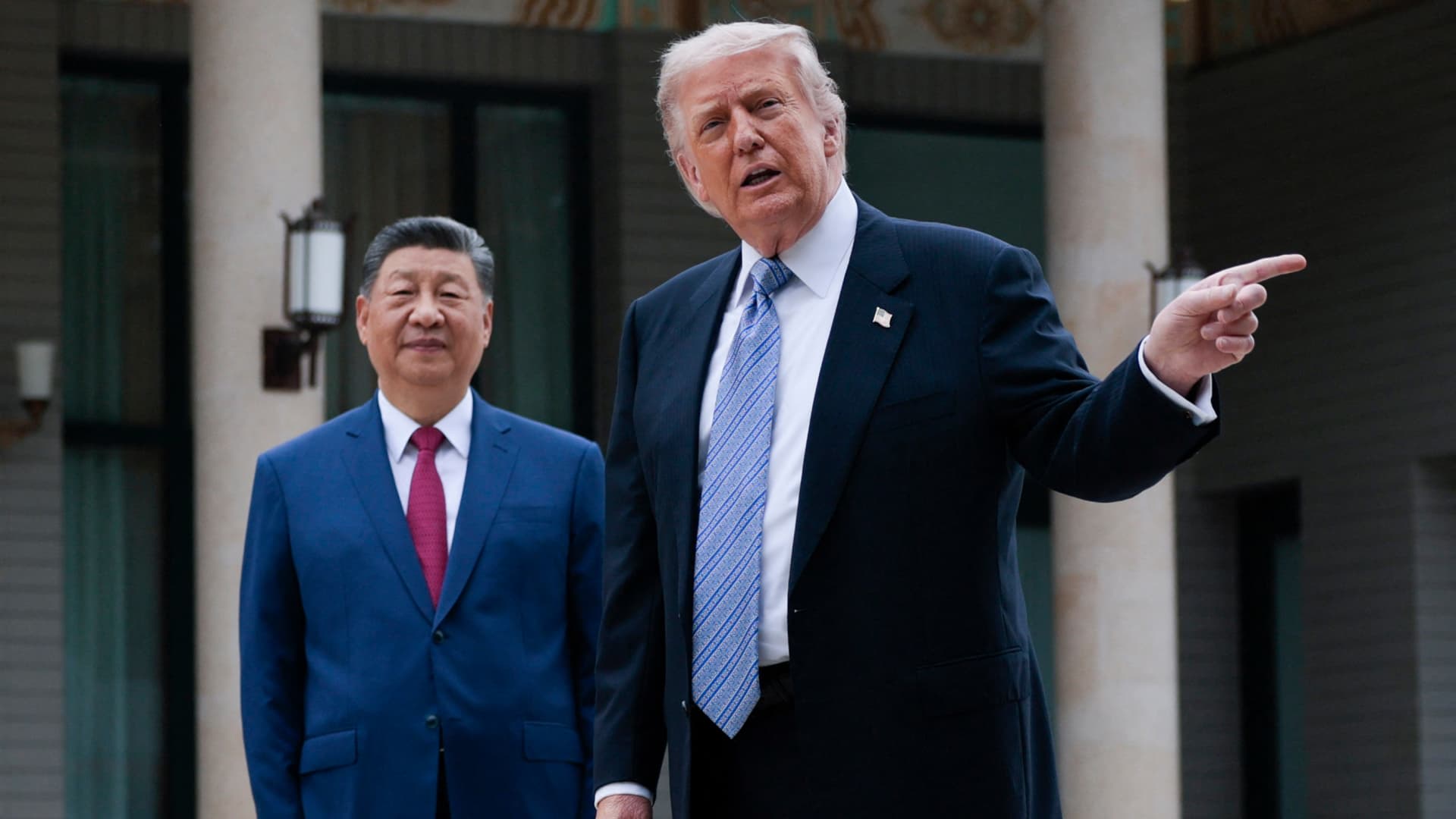
President Trump and President Xi Jinping held a high-stakes summit centered on economic stabilization, AI governance, and diplomatic gestures. Private data reveals a surprising surge in U.S. orders for Chinese goods as businesses hedge against trade volatility.
Strategic Diplomatic Engagement: The Trump-Xi Summit
The recent summit between U.S. President Donald Trump and Chinese President Xi Jinping marks a significant moment in the trajectory of the world’s two largest economies. Held against a backdrop of complex geopolitical tensions, the meeting served as a stage for both high-level policy dialogue and symbolic diplomacy. The presence of top-tier technology leaders—including Jensen Huang of Nvidia, Elon Musk of SpaceX, and Sam Altman of OpenAI—underscores the shifting focus of modern statecraft toward the management of emerging technologies.
Economic Indicators: A Surprise Rebound
Amidst the diplomatic maneuvers, market data provides a tangible look at corporate sentiment. According to a China Beige Book survey of 1,296 companies, there has been a 'surprise' rebound in Chinese exports to the United States. This uptick in orders, recorded in the weeks leading up to the summit, suggests that American businesses are actively positioning themselves for continued stability. The improvement in China’s relative tariff position appears to be a primary driver, as firms seek to mitigate risk by securing supply chains ahead of potential policy shifts.
The Role of Symbolic Diplomacy
Diplomacy between global powers often relies on curated gestures to signal intent. President Trump’s presentation of a bald eagle sculpture to President Xi is a classic example of such soft power. By framing the gift as an embodiment of the 'free and soaring spirit of America,' the administration aimed to anchor the bilateral relationship in national values. This gesture, revealed during a formal state dinner in Washington, acts as a counterbalance to the more pragmatic and often contentious discussions regarding economic and technological competition.
AI Governance as a Global Priority
Perhaps the most pressing item on the summit’s agenda was the governance of artificial intelligence. With existential risks associated with AI reaching a 'fever pitch' in recent weeks, the topic has ascended to the top of the global geopolitical agenda. The inclusion of industry titans like Satya Nadella of Microsoft and Sergey Brin of Google at the state dinner suggests that both nations recognize the necessity of private-sector input in drafting future regulatory frameworks. The collaboration between government officials and tech leaders is essential to balancing innovation with national security.
Future Trends and Market Stability
Looking forward, the stability of the U.S.-China economic corridor remains contingent on the outcomes of these high-level talks. The current surge in U.S. orders for Chinese goods indicates a market preference for predictability. If the diplomatic goodwill fostered at the state dinner translates into long-term policy agreements, businesses may continue to expand trade volumes. However, the intersection of AI competition and trade policy remains a volatile variable that will likely define the next phase of the U.S.-China relationship.
Conclusion
The summit represents a multifaceted approach to international relations, blending traditional statecraft with the realities of a tech-driven economy. While the bald eagle sculpture provided a moment of symbolic unity, the true weight of the meeting lies in the economic data and the collaborative efforts to address AI safety. As both nations navigate these complex waters, the balance between strategic competition and necessary cooperation will remain the defining feature of the global geopolitical landscape.
Multiple Citing Sources