Abhijeet Dipke's ‘fixed match' analogy for Opposition amid ECI row: Don't fight, legitimise rigged polls
Source Entity
Latest News: Todays Latest News Headlines from India & World | Hindustan Times | Hindustan Times
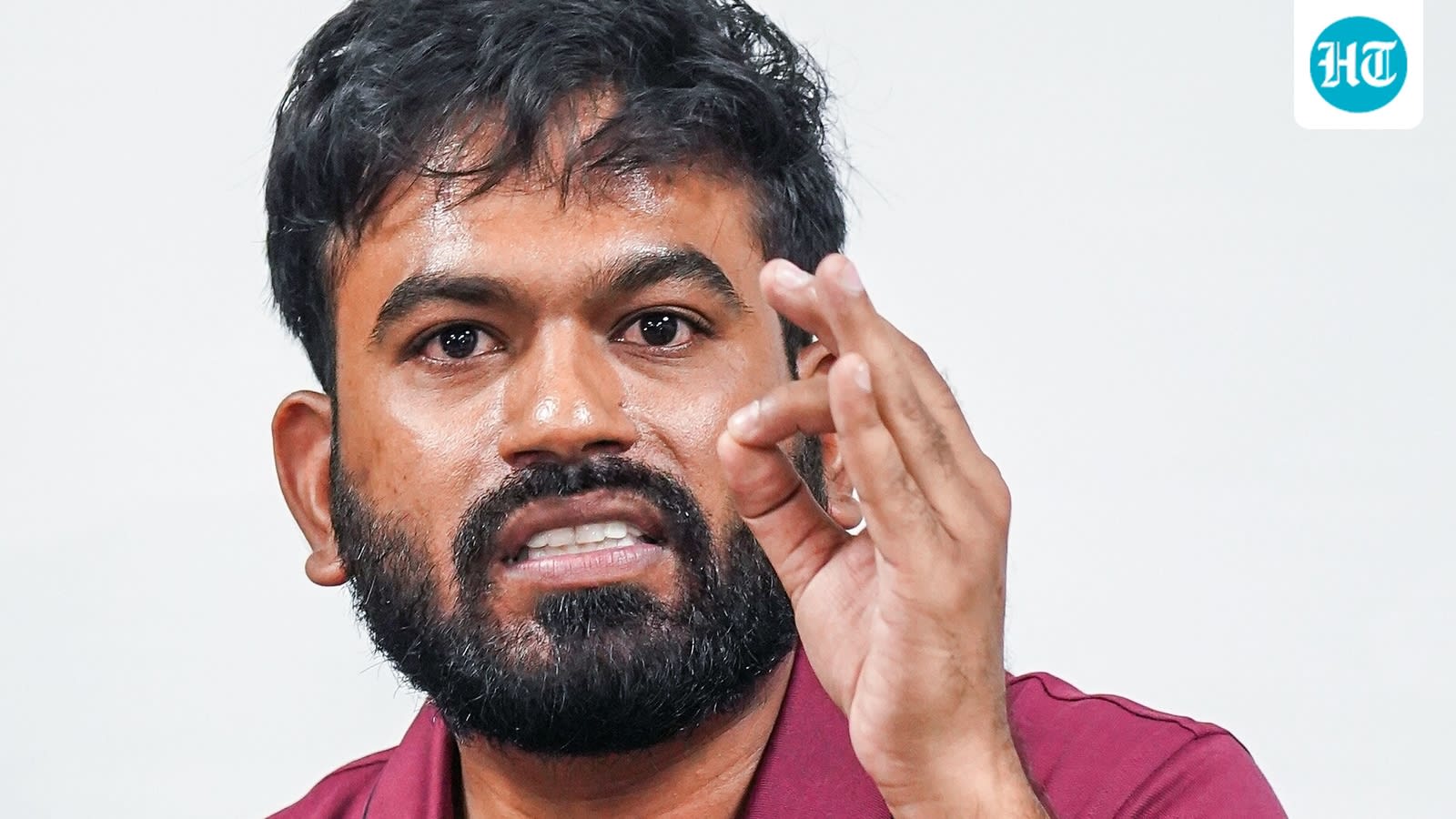
Cockroach Janta Party founder Abhijeet Dipke has urged opposition parties to boycott elections, claiming their participation legitimizes a rigged system. He likened the current electoral process to a 'fixed match' designed to maintain an illusion of fairness.
The 'Fixed Match' Allegation: A Call for Electoral Boycott
Abhijeet Dipke, the founder of the Cockroach Janta Party (CJP), has ignited a polarizing debate by publicly urging opposition parties to cease contesting elections. His central argument is that by participating in polls that they themselves label as 'rigged,' opposition forces inadvertently provide a veneer of democratic legitimacy to an inherently flawed system. This intervention comes during a period of heightened scrutiny surrounding the Election Commission of India (ECI) and internal dissent among election commissioners.
Deconstructing the 'Fixed Match' Analogy
Dipke’s core thesis relies on a sports-based analogy, comparing the current political landscape to a 'fixed cricket match.' In his view, the electoral process is choreographed to provide the electorate with the illusion of a genuine contest. He suggests that opposition parties are occasionally 'handed a few wins'—described as mere 'crumbs'—to ensure that they remain engaged in the process, thereby upholding the perception of a functional democracy while the underlying outcomes are pre-determined.
The Dilemma of Legitimacy vs. Representation
At the heart of Dipke’s critique is the paradox of political survival. Opposition parties face a difficult choice: boycott the polls and risk total political irrelevance, or participate and potentially validate a process they distrust. Dipke argues that the latter path is a strategic error that bolsters the status quo. By continuing to contest, parties may be inadvertently helping to maintain the illusion that elections are free and fair, even when they harbor serious concerns about systemic irregularities.
Contextualizing the ECI Row
This call for a boycott follows a backdrop of significant institutional tension. Reports of internal objections by election commissioners regarding decisions made by the Election Commission have fueled skepticism. For critics like Dipke, these internal fissures are symptomatic of a broader decay in institutional integrity. The CJP’s stance is a direct response to these perceived vulnerabilities, serving as a warning that the current democratic framework is being hollowed out from within.
Future Trends and Potential Agitation
Looking ahead, Dipke has signaled that if his demands regarding the restoration of election integrity are ignored, the CJP is prepared to escalate its stance through further agitation. This suggests a potential shift toward extra-parliamentary opposition, where political actors move beyond traditional campaigning to challenge the legitimacy of the state apparatus itself. Whether this call for a boycott gains traction among mainstream opposition parties remains to be seen, as most political entities are historically reluctant to abandon the electoral arena entirely.
Conclusion
The intervention by the Cockroach Janta Party highlights a profound crisis of confidence in electoral institutions. While Dipke’s demand for a boycott presents a radical challenge to the status quo, it underscores the frustration felt by those who believe the mechanisms of democracy are no longer serving their intended purpose. The debate reflects a growing tension between the necessity of participation and the ethical burden of challenging systems perceived as corrupted.
Multiple Citing Sources
Verification Required?