111 lawmakers switched sides after elections in 2022-2026, says ADR report
Source Entity
Latest News: Todays Latest News Headlines from India & World | Hindustan Times | Hindustan Times
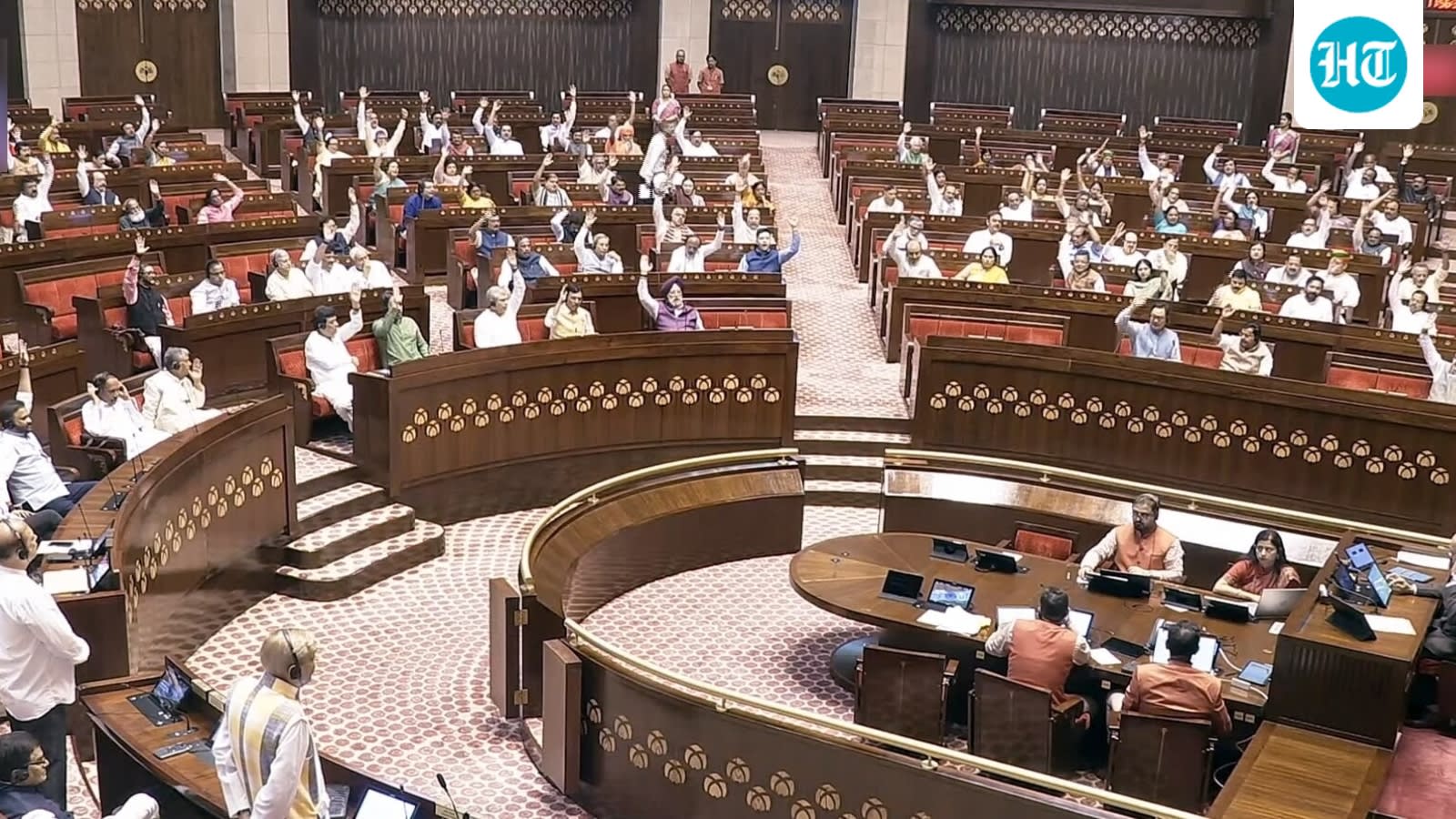
A report by the Association for Democratic Reforms reveals that 111 lawmakers in India switched political parties between 2022 and 2026. This trend of political realignment was most prevalent in Nagaland, West Bengal, and Telangana.
Analysis of Political Defections (2022-2026)
The Scale of Political Volatility
The recent report released by the Association for Democratic Reforms (ADR) provides a stark quantitative look at the fluidity of political loyalty within the Indian democratic framework. Between 2022 and 2026, 111 sitting lawmakers—comprising 26 Lok Sabha members, 7 Rajya Sabha members, and 78 state legislators—crossed the floor to join different political parties after securing their electoral mandates. This data highlights a significant trend of political realignment that challenges the traditional concept of party-based mandates in India.
Geographic Hotspots of Realignments
The ADR report identifies specific regions where this phenomenon is most pronounced. Nagaland recorded the highest number of switches, with 32 lawmakers, or 29% of its legislative representation, changing affiliations. This is largely attributed to unique regional political dynamics and shifting alliances. West Bengal followed with 20 recorded switches, representing 18% of the total, while Telangana accounted for 9 lawmakers changing their party loyalties. These figures suggest that regional political environments often act as catalysts for these transitions.
The Impact on Legislative Stability
When elected representatives switch parties post-election, it fundamentally alters the balance of power within legislative houses. The migration of 26 Lok Sabha members and 7 Rajya Sabha members is particularly consequential, as these shifts can influence the passage of national legislation and the overall stability of the governing coalition at the center. The movement of 78 state legislators further complicates the political landscape at the sub-national level, often leading to government instability or the collapse of opposition majorities.
Historical Context and Democratic Implications
Political defection is not a new phenomenon in India, but the scale observed between 2022 and 2026 underscores a persistent challenge to political stability. Historically, such shifts have led to the implementation and subsequent testing of anti-defection laws. The high frequency of these switches suggests that voters are often electing representatives based on party symbols and ideologies that may be discarded by the candidates shortly after the electoral process concludes.
Future Trends and Reform Prospects
The trend of 111 lawmakers switching sides raises critical questions regarding the accountability of elected officials to their electorate. As political realignments continue to reshape state and national assemblies, the debate over strengthening internal party democracy and the legal ramifications of party-hopping remains central. Future electoral cycles will likely continue to be influenced by these patterns of realignment unless legislative or structural reforms are introduced to mitigate the volatility of post-poll party switching.
Verification Required?