Mamdani backs off on pledge to arrest Netanyahu citing lack of authority
Source Entity
BBC News
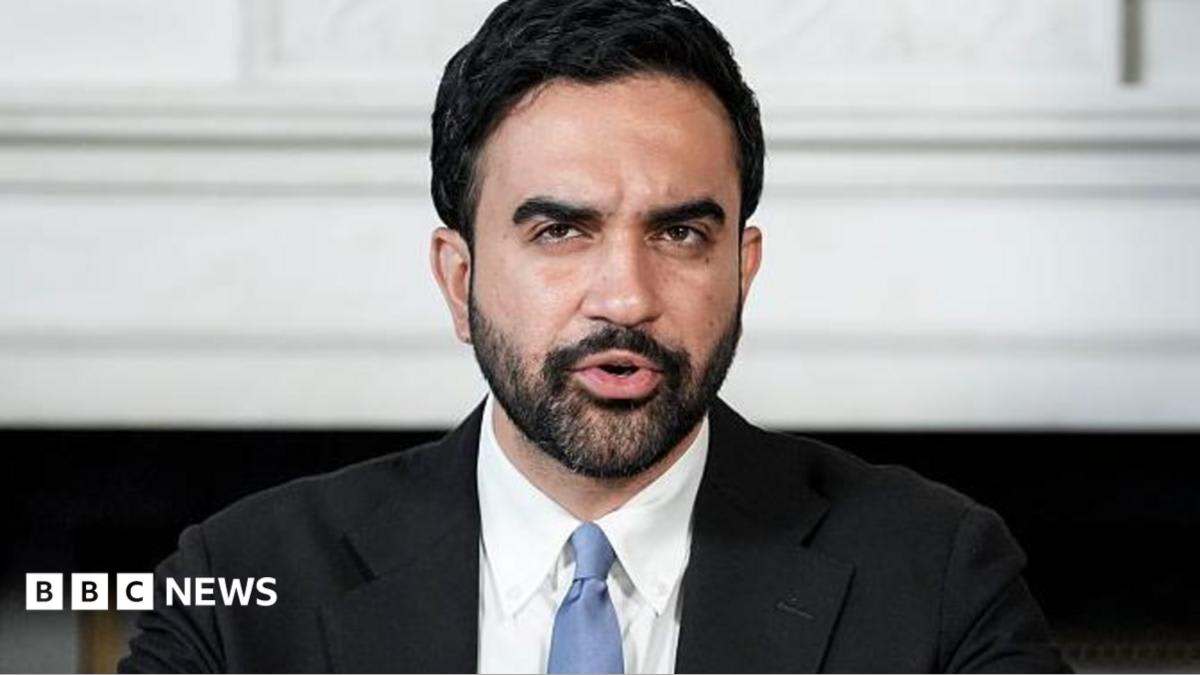
NYC Mayor Zohran Mamdani has walked back his earlier pledge to personally arrest Israeli Prime Minister Benjamin Netanyahu, citing a lack of legal authority. He is now urging the US federal government to enforce the ICC warrant, despite President Trump's explicit opposition to such action.
The Shift in Rhetoric: Mamdani’s Revised Stance on Netanyahu
New York City Mayor Zohran Mamdani has recently adjusted his public position regarding the potential arrest of Israeli Prime Minister Benjamin Netanyahu. Previously, during his mayoral campaign, Mamdani made headlines by pledging that he would utilize the New York City Police Department to execute an arrest of the Israeli leader should he visit the city. However, in a recent social media video, the Mayor clarified that his office lacks the legal authority to carry out such an action, marking a significant recalibration of his earlier, more aggressive rhetoric.
The Legal Reality of ICC Warrants in the U.S.
The core of this issue lies in the complex relationship between the United States and the International Criminal Court (ICC). While the ICC has issued an arrest warrant for Benjamin Netanyahu regarding alleged war crimes in Gaza, the United States is not a signatory to the Rome Statute, the treaty that established the court. Consequently, the ICC has no direct jurisdiction within the U.S. judicial system. Mayor Mamdani’s acknowledgment that he lacks the authority to act reflects the fundamental constitutional reality that local law enforcement cannot supersede federal foreign policy or international treaty obligations.
Federal Opposition and Diplomatic Standoff
President Donald Trump has provided a definitive counter-narrative to the Mayor’s demands, stating that Netanyahu would not be subject to arrest in any capacity while on U.S. soil. The President’s stance highlights the broader diplomatic tensions surrounding the conflict. By framing the issue as a choice between supporting an ally fighting against the Islamic Republic of Iran and bowing to international legal pressure, the federal administration has signaled that it will not facilitate the execution of the ICC warrant.
Political Fallout and Public Discourse
Mayor Mamdani’s initial labeling of Netanyahu as a "war criminal" and his subsequent calls for the federal government to join the ICC and enforce the warrant have ignited considerable political controversy. The remarks have drawn sharp rebukes from both Israeli officials and the U.S. federal government. This episode underscores the growing friction between municipal leaders, who are increasingly vocal on international human rights issues, and federal authorities, who maintain exclusive control over foreign policy and international relations.
Looking Ahead: The UN General Assembly
As Benjamin Netanyahu is reportedly scheduled to attend the United Nations General Assembly in New York City this September, the tension remains high. While the legal pathway for an arrest is effectively blocked by federal policy, the political theater surrounding the visit is likely to intensify. Mayor Mamdani’s pivot from a direct threat of local arrest to a plea for federal intervention illustrates the limitations of local government power in the face of entrenched federal and international diplomatic frameworks. This situation serves as a poignant case study on the limits of "symbolic politics" when confronted with the rigid realities of international law and national sovereignty.