Man finds 6-carat diamond in Arkansas: Where have the world's biggest diamonds been found?
Source Entity
Latest News: Todays Latest News Headlines from India & World | Hindustan Times | Hindustan Times
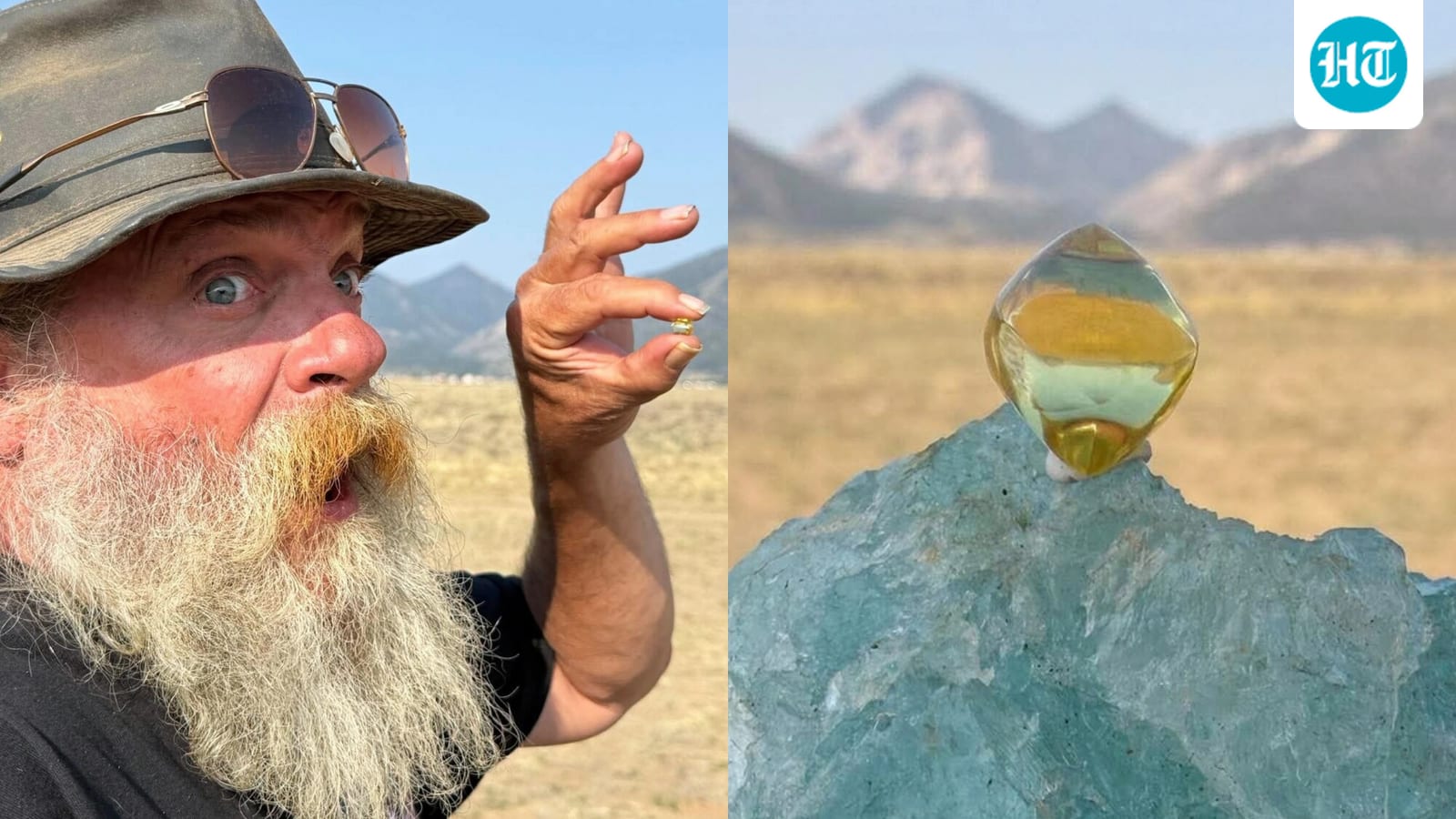
Gem hunter Jack Pearadin discovered a 6.03-carat yellow diamond at Arkansas' Crater of Diamonds State Park. This significant find follows over a decade of searching and more than 300 previous discoveries by the amateur collector.
A Decade of Persistence: The Discovery of a 6.03-Carat Gem
In a remarkable display of patience and dedication, amateur gem hunter Jack Pearadin has unearthed a 6.03-carat yellow diamond at the Crater of Diamonds State Park in Arkansas. This discovery marks a significant milestone in Pearadin’s decade-long quest, which began in 2013 and has resulted in the recovery of more than 300 diamonds to date. The find, which occurred while Pearadin was searching alongside his friend Michael Schumacher, serves as a testament to the unique nature of the Arkansas park, which remains the only diamond-bearing site in the world open to the public.
The Unique Geology of Crater of Diamonds
The Crater of Diamonds State Park is an extraordinary geological anomaly. Located near Murfreesboro, Arkansas, the park sits on the eroded surface of a volcanic lamproite pipe. Unlike traditional commercial diamond mines that require deep-shaft excavation and heavy industrial machinery, this site allows visitors to search for gems in a plowed field of volcanic soil. The diamonds found here are brought to the surface by volcanic activity that occurred approximately 100 million years ago, making the site a rare window into the Earth’s mantle for hobbyists and professionals alike.
The Evolution of Modern Prospecting
Pearadin’s use of modern technology to document his hobby highlights a shift in how amateur mineralogy is shared with the public. By livestreaming his discovery on TikTok, Pearadin bridged the gap between traditional field prospecting and digital engagement. This real-time documentation captures the raw excitement of the find—the rinsing of gravel, the sudden reveal of the stone, and the immediate validation of years of consistent effort. It represents a new era of 'citizen science' where individual passion projects are broadcast to a global audience.
Historical Significance of Arkansas Diamonds
The history of diamond hunting in Arkansas dates back to the early 20th century, and the park has long been a site of both historical and economic interest. Since it became a state park in 1972, thousands of diamonds have been recovered by visitors. While the majority of these stones are small, the park has famously yielded larger specimens, including the 'Uncle Sam' diamond, the largest ever found in the United States. Pearadin’s 6.03-carat discovery adds to this storied legacy, proving that the park continues to be a viable location for significant finds despite decades of foot traffic.
Future Trends in Gem Hunting
As interest in outdoor recreational activities grows, sites like the Crater of Diamonds State Park are likely to see an increase in visitor numbers. The success of individuals like Jack Pearadin encourages a new generation of hobbyists to try their hand at prospecting. Furthermore, the intersection of social media and field exploration suggests that future discoveries will be increasingly documented, potentially leading to more collaborative research and data sharing among the community of amateur geologists who frequent these unique public lands.
Conclusion: The Value of Perseverance
Ultimately, Jack Pearadin’s 6.03-carat diamond is more than just a valuable gemstone; it is the culmination of ten years of disciplined searching. His story highlights the unpredictable nature of geological exploration and the enduring appeal of the Arkansas diamond fields. Whether driven by the thrill of the hunt or the potential for a rare find, the community of gem hunters at Crater of Diamonds continues to prove that with enough persistence, the Earth still holds treasures for those willing to look.
Verification Required?