Zelensky Says Russia Hit Kyiv Plant After Trump's Ceasefire Announcement
Source Entity
NDTV News Search Records Found 1000
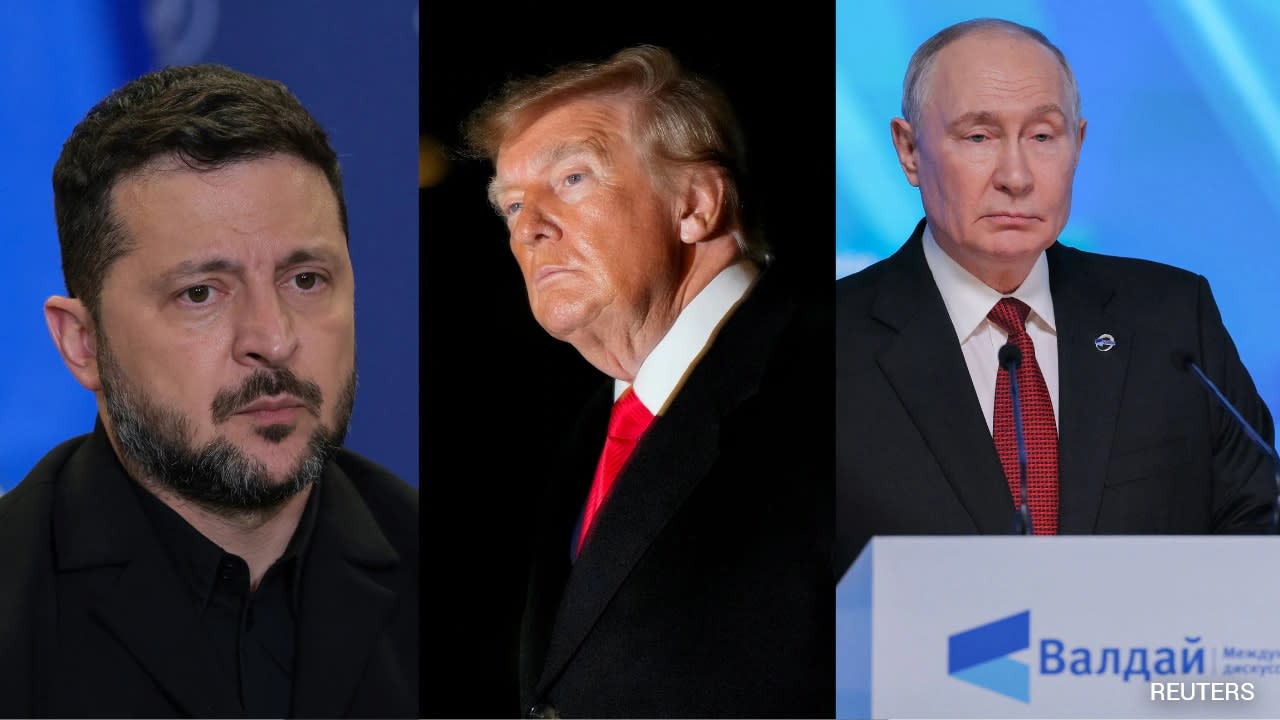
Donald Trump has publicly called for a change in Ukrainian leadership following his announcement of a deal to import Russian diesel. President Zelenskyy has criticized the move, arguing that the agreement provides vital funding for Moscow's war efforts.
The Diplomatic Friction Over Russian Diesel
Recent statements made by Donald Trump have ignited a fresh wave of geopolitical controversy, centering on his claims of securing a deal with Russia for a major release of diesel into the United States. This development has been met with immediate and sharp criticism from Ukrainian President Volodymyr Zelenskyy, who views the arrangement as a strategic setback for the international effort to isolate the Russian economy. The friction between the two figures has escalated to the point where Trump has publicly suggested that it is time for Ukraine to transition to a new president, signaling a potential shift in the diplomatic landscape should his influence continue to grow.
Economic Implications and the War Effort
At the heart of the dispute is the economic impact of the diesel deal. President Zelenskyy has explicitly condemned the agreement, asserting that the release of Russian diesel into the U.S. market serves as a financial lifeline for Moscow. By facilitating the sale of Russian energy products, critics argue that the deal undermines the efficacy of Western sanctions intended to restrict the Kremlin’s ability to fund its ongoing military operations in Ukraine. This highlights the complex tension between domestic energy policy in the United States and the broader foreign policy objective of curbing Russian state revenue.
The Shift in Diplomatic Rhetoric
Trump’s assertion that it is time for a change in Ukrainian leadership marks a significant departure from the established bipartisan support Ukraine has received from Washington. By framing the critique around the diesel deal, Trump is leveraging economic grievances to challenge the legitimacy of the current Ukrainian administration. This rhetoric suggests a willingness to bypass traditional diplomatic channels and prioritize specific trade-related outcomes over the maintenance of the current political status quo in Kyiv.
Historical Context of Sanctions
To understand the gravity of this situation, one must look at the historical context of energy sanctions imposed on Russia since the onset of the conflict. The global community, particularly Western nations, has spent years attempting to decouple their energy dependencies from Russia to limit the resources available for the war. The introduction of Russian diesel into the U.S. market, as suggested by these recent reports, represents a potential reversal of these long-standing policies, sparking intense debate over whether economic pragmatism should supersede ideological and military commitments.
Future Trends and Geopolitical Stability
Looking ahead, the fallout from this exchange could have profound implications for U.S.-Ukraine relations. If the narrative continues to favor economic deals that directly assist the Russian economy, the alliance between Washington and Kyiv may face unprecedented strain. Furthermore, the public calling for a change in leadership in a sovereign, allied nation sets a precedent that could complicate future international relations and influence the internal political stability of Ukraine as it navigates the ongoing war.
Concluding Summary
The intersection of energy policy and international conflict has created a volatile environment. With Trump advocating for a leadership change in Ukraine in direct response to Zelenskyy’s opposition to the diesel deal, the situation underscores a fundamental divide in strategy. As the war continues, the tension between these two leaders remains a critical point of interest for global observers tracking the future of the conflict.
Multiple Citing Sources
Verification Required?