No More Stopping On Manesar-Jaipur Highway With Barrier-Free Toll System
Source Entity
NDTV News Search Records Found 1000
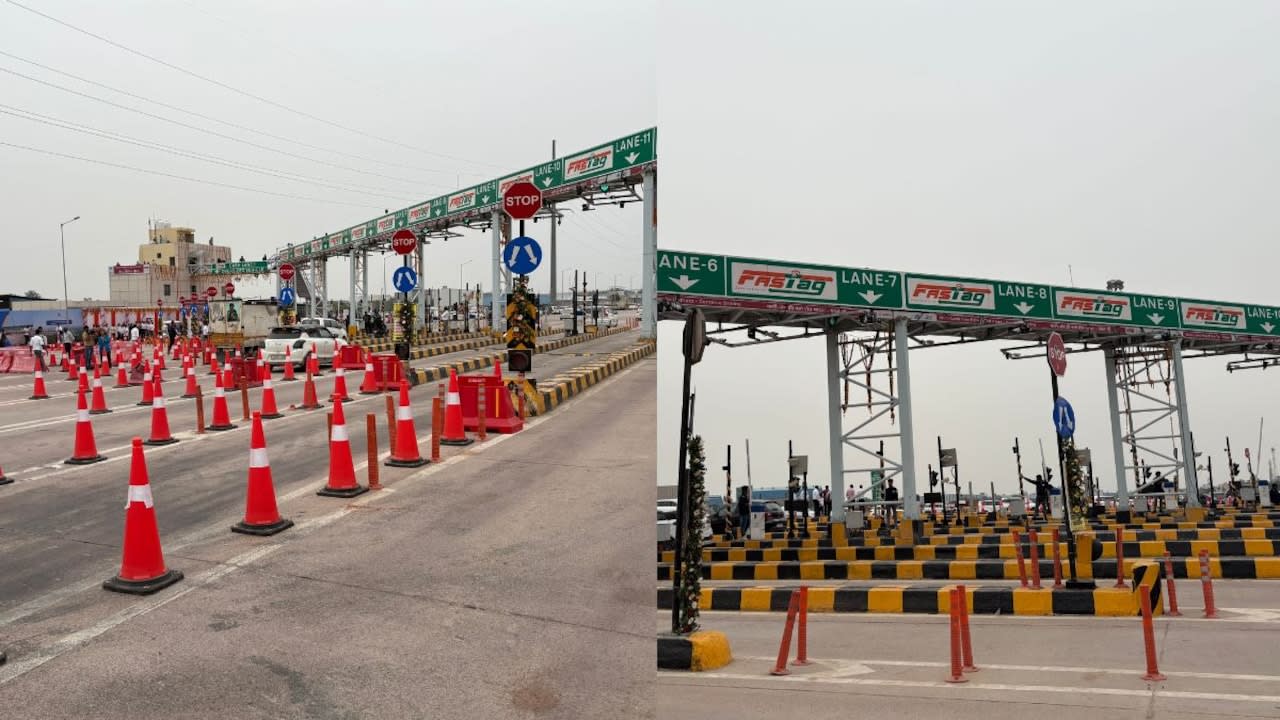
The Manesar-Jaipur highway is transitioning to a barrier-free toll system that processes payments while vehicles are in motion. This initiative aims to eliminate traffic congestion and improve overall travel efficiency for commuters.
Revolutionizing Highway Transit: The Barrier-Free Toll Initiative
The implementation of a barrier-free toll system on the Manesar-Jaipur highway marks a significant shift in India’s infrastructure management. By allowing toll payments to be processed while vehicles remain in motion, authorities are directly addressing the chronic bottleneck issues that have historically plagued this high-traffic corridor. This transition represents a departure from traditional manual or semi-automated toll plazas that require vehicles to come to a complete stop, a practice that leads to significant fuel wastage and carbon emissions.
The Mechanics of Continuous Flow
At the core of this system is the integration of advanced sensor technology and digital payment architecture. By removing physical barriers, the highway infrastructure facilitates a seamless transition for vehicles. This is not merely a convenience upgrade; it is a strategic logistical decision designed to maintain constant traffic velocity, thereby optimizing the capacity of the Manesar-Jaipur route, which serves as a vital artery for industrial and commercial transport between Haryana and Rajasthan.
Impact on Commuter Efficiency
For the daily commuter and the logistics sector, the primary benefit is the dramatic reduction in idle time. Traditional toll plazas often create queues that stretch for kilometers during peak hours, leading to unpredictable travel times. The barrier-free model ensures that transit time is defined strictly by road speed rather than the administrative delays associated with toll collection. This efficiency is expected to improve the competitiveness of logistics companies operating along this stretch.
Economic and Environmental Implications
Beyond the immediate convenience, the removal of barriers has profound environmental and economic implications. Idling engines are a major source of localized air pollution; by ensuring vehicles maintain a steady pace, the system contributes to lower fuel consumption and reduced greenhouse gas emissions. Furthermore, the economic cost of delays—often measured in millions of lost man-hours annually across national highways—is mitigated by this technological shift.
Future Trends in Infrastructure
This initiative on the Manesar-Jaipur highway serves as a pilot for the broader modernization of India's National Highway network. As the country moves toward a digital-first governance model, similar 'free-flow' tolling systems are likely to become the standard. This shift toward automated, barrier-free infrastructure is a prerequisite for the future integration of Intelligent Transport Systems (ITS) and autonomous vehicle support, signaling a new era for domestic road travel.
Verification Required?