Stone pelting, arson, teargas as mob targets Assam Rifles camp in Manipur
Source Entity
Sukrita Baruah
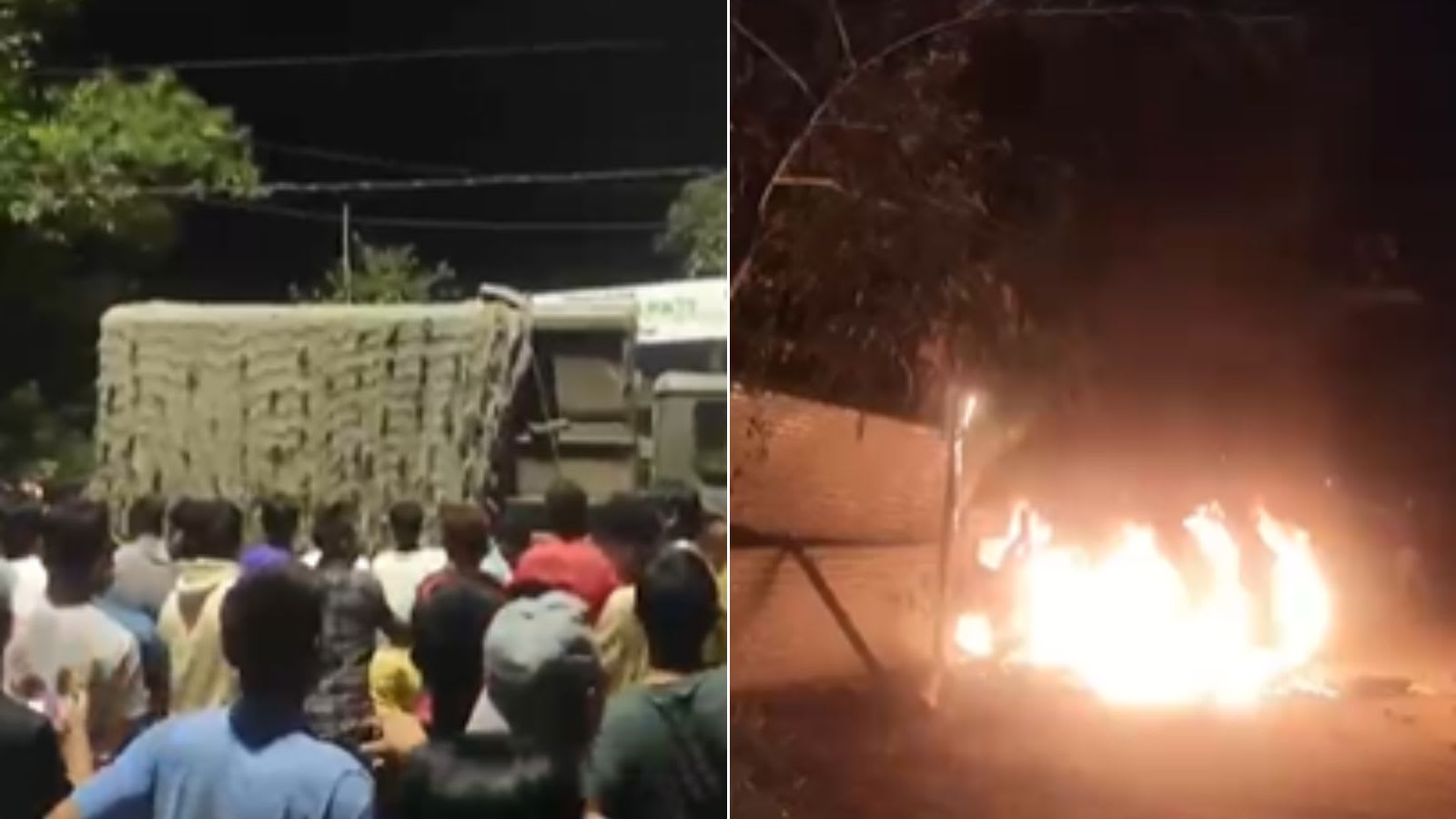
A violent mob targeted an Assam Rifles camp in the Senapati district of Manipur, employing stone pelting, arson, and vandalism. Security forces responded with teargas and blank rounds to disperse the crowd and maintain order.
Escalation of Violence: Mob Attack on Assam Rifles Camp in Senapati
In a distressing escalation of civil unrest, a violent mob targeted an Assam Rifles camp in the Senapati district of Manipur. The incident was characterized by a rapid descent into chaos, as protesters transitioned from demonstration to active aggression, employing stone pelting, arson, and widespread vandalism against the military installation. The security forces stationed at the camp were forced to take defensive measures, deploying teargas grenades and firing blank rounds to repel the attackers and prevent a full-scale breach of the facility. This event underscores the volatile security environment currently pervading the region.
Tactical Analysis of the Confrontation
The nature of the attack—specifically the use of arson and stone pelting—suggests a coordinated effort to intimidate security forces and disrupt the operational capacity of the Assam Rifles. The reliance on blank rounds and teargas by the security forces indicates a strategic attempt to prioritize non-lethal crowd control despite the severity of the provocation. However, the fact that a military camp, which is a high-security zone, became a target highlights a significant erosion of the fear of authority and a dangerous increase in the boldness of the agitated mobs. The transition from peaceful protest to targeted violence often signals a deeper systemic failure in local grievance redressal mechanisms.
The Strategic Role of Assam Rifles in Manipur
To understand the gravity of this attack, it is essential to recognize the role of the Assam Rifles. As one of the oldest paramilitary forces in India, the Assam Rifles are tasked with maintaining law and order and guarding the borders in the Northeast. In Manipur, they often act as a buffer between warring ethnic factions. When such a force is targeted, it is rarely an isolated act of vandalism; rather, it is often a symbolic attack on the state's authority or a reaction to the perceived bias of the security forces in managing ethnic conflicts. The targeting of a camp in Senapati suggests that the local population's frustrations have reached a boiling point, viewing the security apparatus not as protectors, but as obstacles or adversaries.
Broader Socio-Political Implications
This incident does not occur in a vacuum but is a symptom of the protracted ethnic tensions that have plagued Manipur. The Senapati district has historically been a flashpoint for tribal disputes and land-related conflicts. The propensity for mobs to target security installations suggests a breakdown in the social contract between the citizenry and the state. Such events typically lead to a cycle of retaliation and increased militarization, where the government responds with stricter curbs on movement and communication, which in turn can further alienate the local populace and fuel more unrest.
Future Trends and Security Outlook
Looking forward, this attack is likely to trigger a heightened security posture across the state. We can expect an increase in troop deployments and the implementation of more stringent surveillance in the Senapati district to prevent similar incursions. However, military solutions alone are unlikely to resolve the underlying triggers of such violence. If the root causes—ethnic distrust and political instability—are not addressed through diplomatic and administrative channels, the Assam Rifles and other security agencies may find themselves in an increasingly untenable position, facing frequent skirmishes with the very populations they are deployed to protect.
Conclusion
The attack on the Assam Rifles camp in Senapati is a stark reminder of the fragility of peace in Manipur. While the immediate threat was contained through the use of teargas and blank rounds, the act of arson and vandalism reveals a deep-seated volatility. The event serves as a critical warning sign that without comprehensive peace-building efforts and a restoration of trust between the community and security forces, the region remains susceptible to sudden and violent eruptions of instability.