Manipur violence: 306 killed, 49 missing since May 2023
Source Entity
PRIYANKA JAISWAL
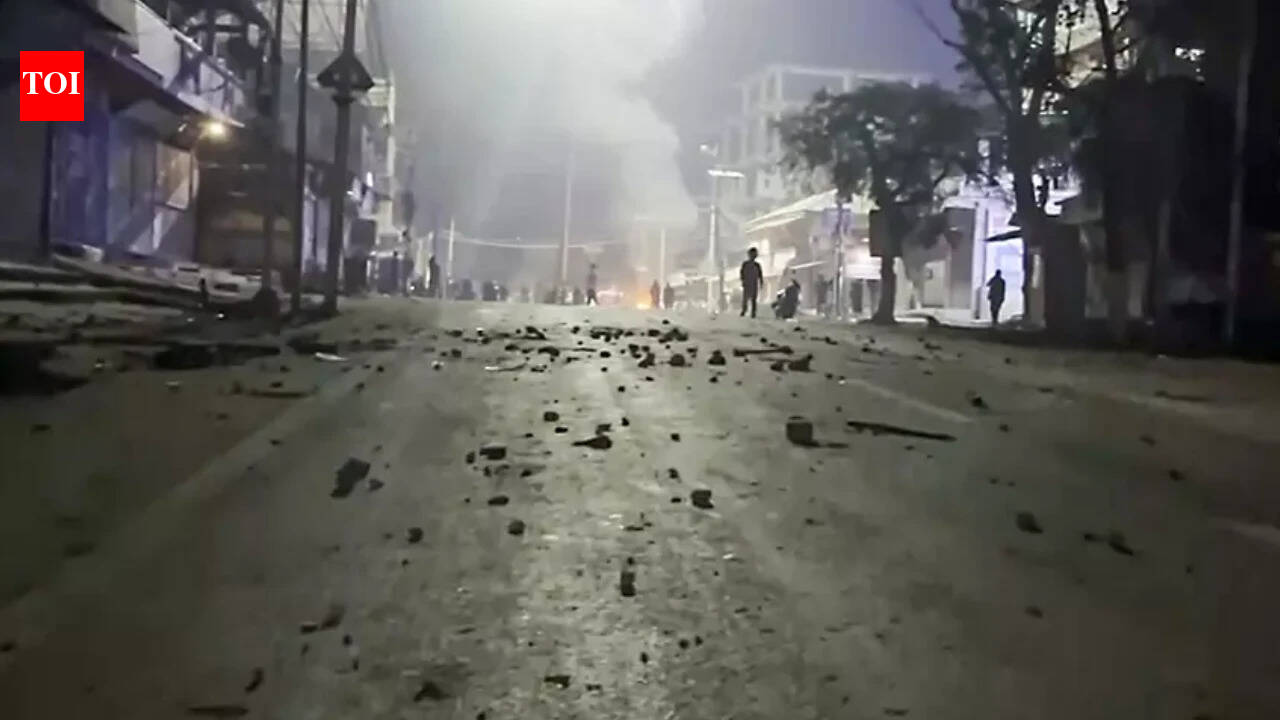
Manipur's Home Minister confirmed that 306 people have died and 49 remain missing in ongoing ethnic violence since May 2023. The conflict, sparked by disagreements over Scheduled Tribe status, has caused massive displacement and remains a critical regional crisis.
The Human Cost of Manipur’s Protracted Ethnic Crisis
A Sobering Update from the Assembly
Recent data presented by Manipur Home Minister Govindas Konthoujam to the state Assembly has provided a grim statistical overview of the ongoing unrest in the region. As of August 31, 2026, the official toll stands at 306 lives lost, with 49 individuals still reported missing. These figures, disclosed during an Assembly session in response to a query by BJP MLA Sapam Ranjan Singh, underscore the persistent nature of the violence that has gripped the state since May 2023.
The Catalyst: Scheduled Tribe Status
The roots of this conflict are deeply embedded in long-standing socio-political tensions between the Meitei community, who primarily reside in the Imphal Valley and constitute roughly 53% of the state's population, and the tribal communities, including the Kuki-Zo groups. The immediate spark for the violence was a 'Tribal Solidarity March' organized in the hill districts on May 3, 2023. This march was a direct protest against a Manipur High Court directive that had suggested the state government consider granting Scheduled Tribe (ST) status to the Meitei community.
Displacement and Regional Impact
The scale of the humanitarian fallout extends far beyond death tolls. Reports from the Geneva-based Internal Displacement Monitoring Centre (IDMC) reveal that the Manipur conflict was responsible for 67,000 of the 69,000 conflict-related displacements in South Asia throughout 2023. This figure represents the highest number of conflict-triggered displacements in India since 2018, highlighting the profound destabilization of local communities and the breakdown of social cohesion in the region.
The Broader Socio-Political Context
Historically, the divide between the valley and the hill districts has been a defining feature of Manipur's administrative and social landscape. The demand for ST status by the Meitei community, viewed by many tribal groups as a threat to their own protections and resource access, ignited a cycle of retaliation and ethnic tension. The fact that the violence has persisted for over three years indicates that the underlying grievances remain unresolved, despite the revocation of President's Rule earlier in the year.
Future Implications and Challenges
As the state government continues to navigate the aftermath, the challenge of reconciliation remains paramount. With hundreds dead and dozens still missing, the psychological and physical scars on the population are extensive. The government faces the difficult task of addressing the root causes of the ethnic divide while simultaneously managing the security situation and the massive internal displacement crisis that continues to strain regional resources.
Conclusion
The data provided in the Assembly serves as a stark reminder of the gravity of the crisis in Manipur. The combination of legislative debate, ongoing security concerns, and the massive displacement of civilians indicates that the situation is far from stable. Moving forward, sustainable peace will likely require a multifaceted approach that addresses both the immediate security needs of the displaced and the complex, deep-seated ethnic grievances that initiated the conflict in 2023.