How a Marathi play was built from unrecorded grindmill songs of women
Source Entity
Latest News: Todays Latest News Headlines from India & World | Hindustan Times | Hindustan Times
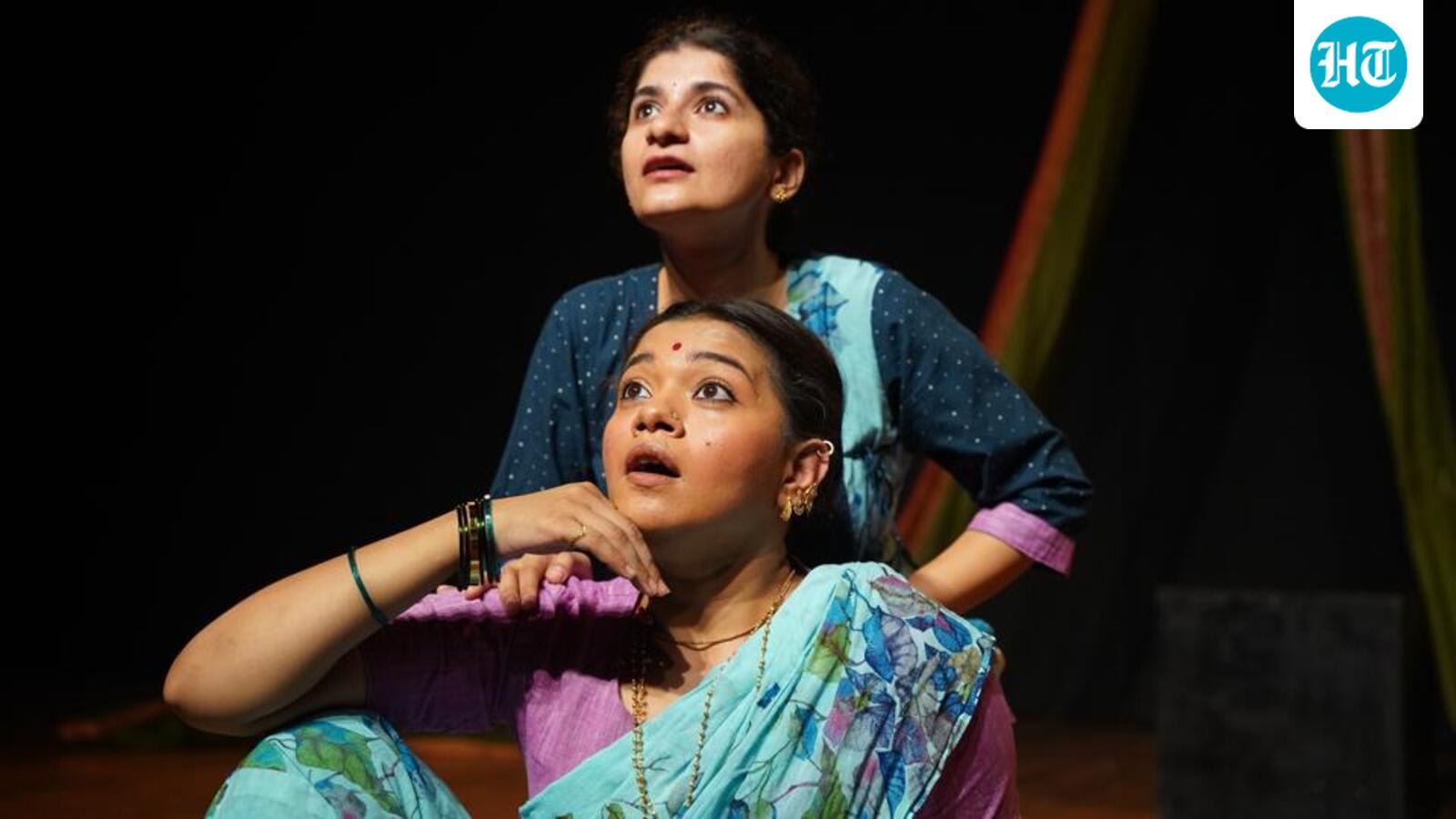
The Marathi play 'Bhirrr...' explores the oral traditions of rural women in Kolhapur through unrecorded grindmill songs. Performer Mayuri Ravindra transformed these generational chants into a theatrical experience centered on cultural memory.
The Sonic Heritage of Rural Maharashtra
The play Bhirrr..., recently staged at The Tamaasha Studio in Mumbai, serves as a poignant bridge between the domestic labor of rural women and the contemporary stage. At its core, the production is an artistic reclamation of the 'ovi'—the rhythmic grindmill songs sung by women in the Kolhapur district, specifically from the village of Abdullat. These songs, passed down through generations, have historically existed in an unrecorded, ephemeral state, serving as the soundtrack to the daily manual labor of grinding grain.
From Visual Impulse to Theatrical Form
Mayuri Ravindra, the deviser and performer of the piece, describes the genesis of Bhirrr... not as a scholarly pursuit, but as a visceral, visual intuition. Long before a script existed, Ravindra was haunted by the image of two saris suspended in space. This artistic impulse highlights a unique methodology in modern Indian theater, where the emotional weight of an image—representing the domestic presence of women—precedes the narrative structure. By centering the play around these suspended garments, the production physically manifests the invisible labor of the women who sang these songs while working in fields and kitchens.
The Oral Tradition as Historical Archive
Unlike traditional historical records that prioritize written documents, the songs of Abdullat represent an oral archive of women's inner lives. Because these songs were never formally transcribed, they reflect a candid, unfiltered history of social, personal, and domestic realities. Ravindra’s work functions as a medium for this oral history, transforming private, repetitive labor into a public performance. This shift is critical, as it elevates the 'grindmill song' from a functional tool of labor to a profound cultural artifact worthy of artistic preservation.
The Synthesis of Research and Performance
Although Ravindra’s entry into this material was rooted in personal connection rather than academic study, the subsequent research required to bring Bhirrr... to the stage was extensive. The process of gathering these songs required engaging directly with the source communities in Kolhapur. This methodology underscores the importance of field-based research in contemporary theater, where the authenticity of the performance relies on the direct interaction between the creator and the living traditions of the village.
Broader Implications for Cultural Preservation
The success of Bhirrr... signals a growing trend in Indian performance art: the move toward decolonizing the stage by centering marginalized, rural, and feminine narratives. By focusing on the songs of women who have been historically overlooked by mainstream literary canons, the play challenges audiences to reconsider what constitutes 'literature' or 'history.' It serves as a reminder that the most profound cultural narratives are often found in the unrecorded rhythms of daily life, waiting to be interpreted by those willing to listen.
Future Trends in Narrative Theatre
Looking ahead, it is likely that more artists will turn to such localized, oral histories to combat the erosion of traditional knowledge. The model established by Ravindra—whereby an artistic image is used to anchor a larger, historically significant narrative—provides a blueprint for future practitioners. As modern audiences become increasingly disconnected from agrarian roots, works like Bhirrr... will become essential instruments in maintaining cultural continuity, ensuring that the songs of the grindmill do not fade into silence.
Verification Required?